

Lumine Organics markets its NAD+ Anti-Aging Capsules as a breakthrough solution for energy, skin rejuvenation, and cellular repair. The presentation is clean, the messaging is persuasive, and the pricing structure is designed to feel like a premium health investment.
However, when you analyze the product, sourcing, and customer experiences, a consistent pattern emerges—one that closely resembles modern supplement marketing funnels built around hype rather than substance.
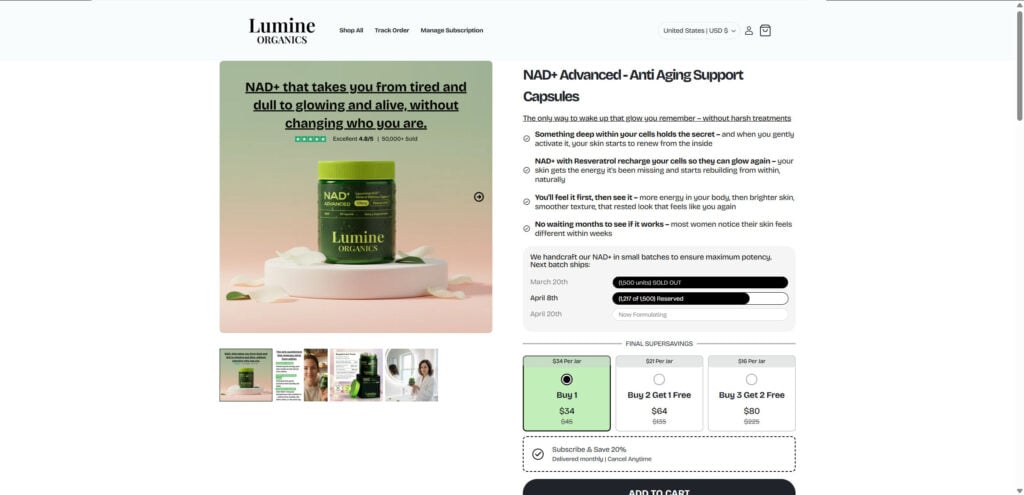
Overview
Lumine Organics NAD+ Capsules follow a well-established formula:
- Use a trending ingredient (NAD+ / anti-aging science)
- Build a premium-looking brand
- Make broad health and longevity claims
- Sell at a high markup with discounts and bundles
- Push users into recurring subscriptions
The product itself may exist, but the core issue lies in how it is marketed and sold.
Key Takeaways
- The formula is not unique
- The pricing is heavily inflated
- The claims are not clinically proven
- The business model relies on subscriptions
What They Claim vs What You’re Actually Buying
What the Website Promises
- Increased energy and vitality
- Cellular rejuvenation and anti-aging effects
- Improved skin appearance
- “Glow from within” results
- Noticeable changes in weeks
What It Actually Appears To Be
- A generic NAD+ supplement blend
- Likely composed of:
- Nicotinamide Riboside or similar precursors
- Resveratrol
- Standard antioxidants
There is no evidence that the formula is proprietary or exclusive.
Evidence of Private Label / Generic Sourcing
The most important red flag comes from product sourcing.
What the Data Shows
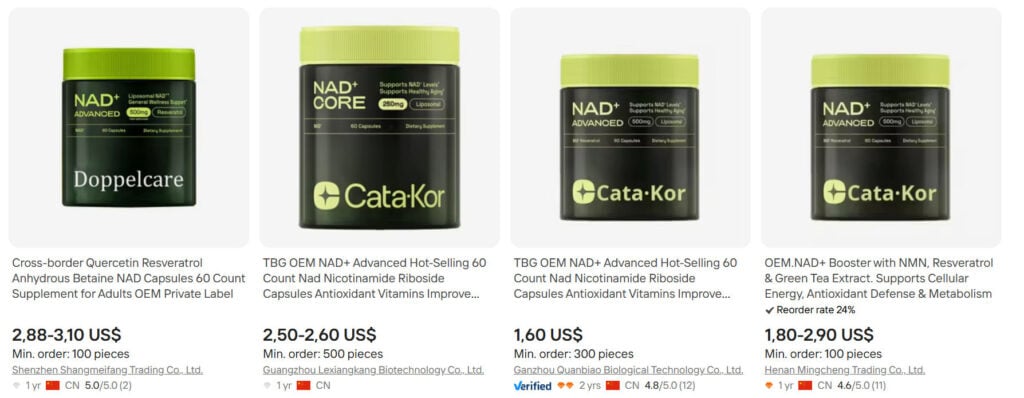
- Nearly identical NAD+ supplements are sold by manufacturers for:
- $1.60 – $3.10 per unit
- These products:
- Use the same packaging style
- Use the same ingredient positioning
- Offer OEM/private label branding
What This Means
- Lumine Organics does not appear to manufacture a unique product
- The supplement is likely sourced from bulk suppliers
- Branding is applied after production
This is a private-label model, not a proprietary health product.
Pricing Strategy and Markup
The pricing structure is designed to create perceived value.
Observed Pricing
- Around $34 per jar (discounted)
- “Original” price often shown higher
- Bundle deals:
- Buy 2 Get 1 Free
- Buy 3 Get 2 Free
Reality
- Estimated production cost: under $3
- Markup: often 10x–20x or higher
This is not uncommon in supplements, but combined with weak transparency, it becomes a concern.
Subscription Trap Risks
One of the most reported issues with products like this is the subscription model.
Common Pattern
- Customer selects what appears to be a one-time purchase
- Subscription is pre-selected or poorly disclosed
- Customer is enrolled automatically
- Monthly charges begin
Reported Issues
- Difficulty canceling
- Email-only support
- Continued billing after cancellation attempts
This model relies on friction, not transparency.
Misleading Marketing Techniques
The product page uses language designed to imply scientific credibility.
Common Claims Used
- “Supports NAD+ levels”
- “Recharges your cells”
- “Anti-aging from within”
- “Clinically inspired formula”
The Problem
- No direct clinical studies for this product
- No proof of real-world results
- Vague wording avoids legal accountability
This creates an illusion of scientific backing without evidence.
The NAD+ Hype Problem
NAD+ is currently one of the most heavily marketed ingredients in the supplement industry.
What You Should Know
- Oral NAD+ supplements:
- May have low bioavailability
- Do not directly translate to anti-aging results
- Research is ongoing, but:
- No strong evidence supports dramatic claims
Translation
The marketing promises far exceed what the science supports.
Product Experience vs Expectations
If the product arrives, here is what most users should realistically expect:
- A standard supplement
- No immediate or visible anti-aging effects
- No dramatic energy transformation
- Minimal noticeable changes
The experience typically does not match the marketing narrative.
Weak Brand Transparency
A legitimate supplement brand usually provides:
- Detailed sourcing information
- Manufacturing standards (GMP certification, etc.)
- Clinical backing
- Clear company identity
What’s Missing Here
- Verified manufacturing details
- Independent testing transparency
- Clear origin of ingredients
- Strong brand history
This lack of transparency is a consistent warning sign.
How This Funnel Works
This type of product is not sold randomly—it follows a structured funnel.
Step-by-Step Model
- You see an ad about anti-aging or energy
- You land on a highly optimized product page
- You are presented with urgency:
- Limited stock
- “Next batch shipping soon”
- You are pushed toward bundles for “maximum savings”
- Subscription is introduced subtly
- You receive a generic supplement at a premium price
Should You Buy It?
From an objective standpoint, this product is not recommended.
Why
- Generic formula
- Inflated pricing
- Weak scientific backing
- Subscription risk
- Lack of transparency
There is no clear reason to choose this over more established, regulated alternatives.
What To Do If You Already Ordered
Immediate Steps
- Check your order confirmation for subscription terms
- Monitor your bank statements closely
- Contact support and request cancellation immediately
- Save all communication
- Contact your bank if unauthorized charges appear
If Issues Occur
- File a chargeback
- Block future transactions
- Avoid engaging further with the seller
The Bottom Line
Lumine Organics NAD+ Anti-Aging Capsules are not a revolutionary product. They are best understood as a generic supplement packaged inside a high-conversion marketing system.
The main risks are not just the product itself, but:
- The way it is sold
- The pricing strategy
- The subscription mechanics
Consumers are not buying innovation—they are buying branding layered on top of a low-cost, mass-produced supplement.








