

When it comes to managing the settings and features of your Windows operating system, the Windows Mobility Center is a useful tool that provides quick access to various functions such as display brightness, volume control, battery status, and more. However, if you own a Toshiba laptop, you may have noticed an additional feature called “TOSHIBA Extended Tiles” within the Windows Mobility Center. In this article, we will explore what TOSHIBA Extended Tiles is, its purpose, and whether or not you should remove it.
What is TOSHIBA Extended Tiles?
TOSHIBA Extended Tiles is a software component developed by Toshiba specifically for their laptops. It is designed to enhance the functionality of the Windows Mobility Center by adding additional tiles or shortcuts to the interface. These tiles provide quick access to various Toshiba-specific features and settings, allowing users to easily control and customize their Toshiba laptops.
Some of the common tiles you may find in TOSHIBA Extended Tiles include:
- Power Plan: Allows users to switch between different power plans to optimize battery life or performance.
- Eco Mode: Enables power-saving features to conserve energy and extend battery life.
- Touchpad: Provides options to adjust touchpad settings such as sensitivity and scrolling.
- Function Key: Allows users to customize the behavior of function keys on their Toshiba laptops.
Should I Remove TOSHIBA Extended Tiles?
Whether or not you should remove TOSHIBA Extended Tiles depends on your personal preferences and usage of your Toshiba laptop. Here are a few factors to consider:
1. Customization and Convenience
If you frequently use the additional features and settings provided by TOSHIBA Extended Tiles, removing it may limit your ability to customize and control your Toshiba laptop. The added convenience of having quick access to Toshiba-specific functions through the Windows Mobility Center can be beneficial for some users.
2. Performance and Resource Usage
While TOSHIBA Extended Tiles can enhance the functionality of your Toshiba laptop, it is important to consider its impact on system performance and resource usage. Some users may find that the additional software consumes unnecessary system resources, potentially slowing down their laptop. If you are experiencing performance issues or have limited system resources, removing TOSHIBA Extended Tiles may be a viable option.
3. Compatibility and Updates
Another aspect to consider is compatibility and updates. TOSHIBA Extended Tiles is specifically designed for Toshiba laptops, and removing it may result in the loss of certain Toshiba-specific features or settings. Additionally, if you decide to remove TOSHIBA Extended Tiles, it is important to ensure that your Toshiba laptop’s drivers and software are up to date to avoid any compatibility issues.
How to Remove TOSHIBA Extended Tiles
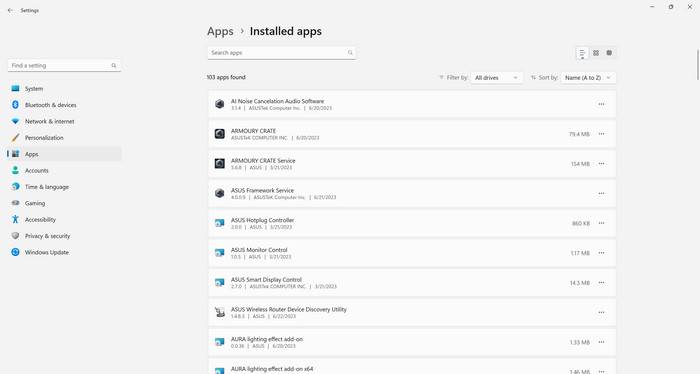
If you have decided to remove TOSHIBA Extended Tiles from your Toshiba laptop, here are the steps to do so:
- Open the Control Panel by searching for it in the Windows search bar.
- Click on “Programs” or “Programs and Features” depending on your version of Windows.
- Locate “TOSHIBA Extended Tiles” in the list of installed programs.
- Click on “Uninstall” or “Remove” to initiate the uninstallation process.
- Follow the on-screen instructions to complete the removal.
After removing TOSHIBA Extended Tiles, it is recommended to restart your Toshiba laptop to ensure that all changes take effect.
Note: Before uninstalling any software, it is always a good practice to create a system restore point or backup your important files to avoid any potential data loss or system instability.
Conclusion
TOSHIBA Extended Tiles is a software component developed by Toshiba to enhance the functionality of the Windows Mobility Center on their laptops. Whether or not you should remove it depends on your personal preferences, usage of your Toshiba laptop, and considerations such as customization, performance, resource usage, compatibility, and updates.
If you decide to remove TOSHIBA Extended Tiles, follow the provided steps to uninstall it properly. However, always exercise caution when uninstalling software and consider creating a system restore point or backing up your important files.
Ultimately, the decision to remove TOSHIBA Extended Tiles should be based on your specific needs and requirements. Assess the benefits and drawbacks, and make an informed choice that aligns with your usage and preferences for your Toshiba laptop.

Join the discussion
0 commentsShare your experience or ask a question about this article.
Discussion
Start the conversation
Have a question or something useful to share? Add the first comment.