

When you open the Task Manager on your Windows computer, you may notice a process called “User Manager” running in the background. This process might raise some questions and concerns, especially if you are not familiar with it. In this article, we will explore what the User Manager process is, why it is running in Task Manager, and how it impacts your system.
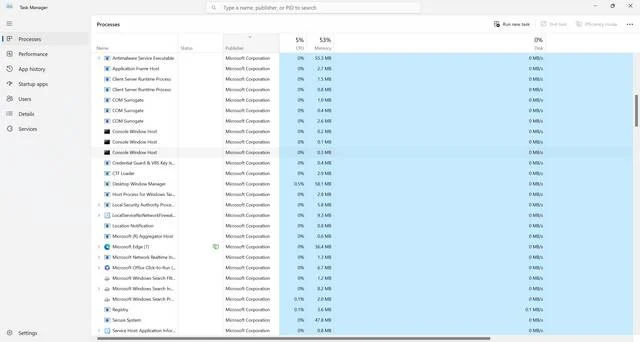
Understanding the User Manager Process
The User Manager process, also known as “User Manager for Domains” or “usrmgr.exe,” is a legitimate Windows system process that is responsible for managing user accounts and groups on a Windows domain. It is a part of the Windows operating system and is essential for maintaining user permissions, access rights, and security settings.
When you log in to your Windows computer, the User Manager process starts running in the background to ensure that your user account is properly authenticated and authorized to access resources on the domain. It works in conjunction with other system processes to enforce security policies and manage user privileges.
Why Is the User Manager Process Running in Task Manager?
Seeing the User Manager process running in Task Manager is completely normal and expected. It is a critical system process that needs to be active for your Windows computer to function properly, especially in a domain environment.
Here are a few reasons why the User Manager process might be running:
- Domain Authentication: The User Manager process ensures that your user account is authenticated against the domain controller when you log in to your computer. It verifies your credentials and grants access to domain resources based on your user permissions.
- User Account Management: The User Manager process allows administrators to create, modify, and delete user accounts and groups on the domain. It provides a centralized interface for managing user-related settings and security policies.
- Group Policy Enforcement: The User Manager process enforces group policies defined by the domain administrator. Group policies control various aspects of the user experience, such as password complexity requirements, software installation restrictions, and network access settings.
These are just a few examples of why the User Manager process is running in Task Manager. Its presence indicates that your Windows computer is properly connected to a domain and is functioning as intended.
Is the User Manager Process a Security Concern?
The User Manager process itself is not a security concern. It is a legitimate system process that is essential for managing user accounts and maintaining security on a Windows domain. However, like any other system process, it is important to ensure that it is not being exploited by malware or malicious actors.
If you notice any suspicious behavior or performance issues on your computer, it is always a good idea to scan your system for viruses and malware. One highly recommended tool for this purpose is Malwarebytes Free. It is a powerful anti-malware software that can detect and remove a wide range of threats.
Regularly updating your operating system and security software, practicing safe browsing habits, and being cautious while downloading and installing software can help prevent malware infections and protect your system from potential security threats.
Conclusion
The User Manager process is a critical component of the Windows operating system, responsible for managing user accounts and groups on a domain. Its presence in Task Manager is completely normal and expected, indicating that your computer is properly connected to a domain and functioning as intended.
While the User Manager process itself is not a security concern, it is important to remain vigilant and ensure that your system is not compromised by malware or malicious actors. Regularly scanning your computer for viruses and malware using tools like Malwarebytes Free can help keep your system secure.
By understanding the purpose and significance of the User Manager process, you can have a better grasp of the inner workings of your Windows computer and ensure its smooth operation within a domain environment.

Join the discussion
0 commentsShare your experience or ask a question about this article.
Discussion
Start the conversation
Have a question or something useful to share? Add the first comment.