

A familiar real-estate slogan can make an investment proposal feel safer than it is. In this case, investors believed their money was tied to specific homes and protected by first-position liens.
Federal prosecutors say the paperwork concealed a very different operation, one that cost more than 80 people millions in losses.
Overview
The conviction involved a former franchisee, not every franchise
Charles Carrier was president of Dallas-based C&C Residential Properties and operated as a HomeVestors of America franchisee associated with the “We Buy Ugly Houses” name. On September 23, 2026, a federal judge sentenced him to 188 months in prison after he pleaded guilty to wire fraud.
The case should not be read as a finding that every HomeVestors franchise or the national company participated in Carrier’s conduct. The criminal facts described by the U.S. Department of Justice concern Carrier, his investment firm, and the transactions used in his scheme.
Investors were promised property-backed loans
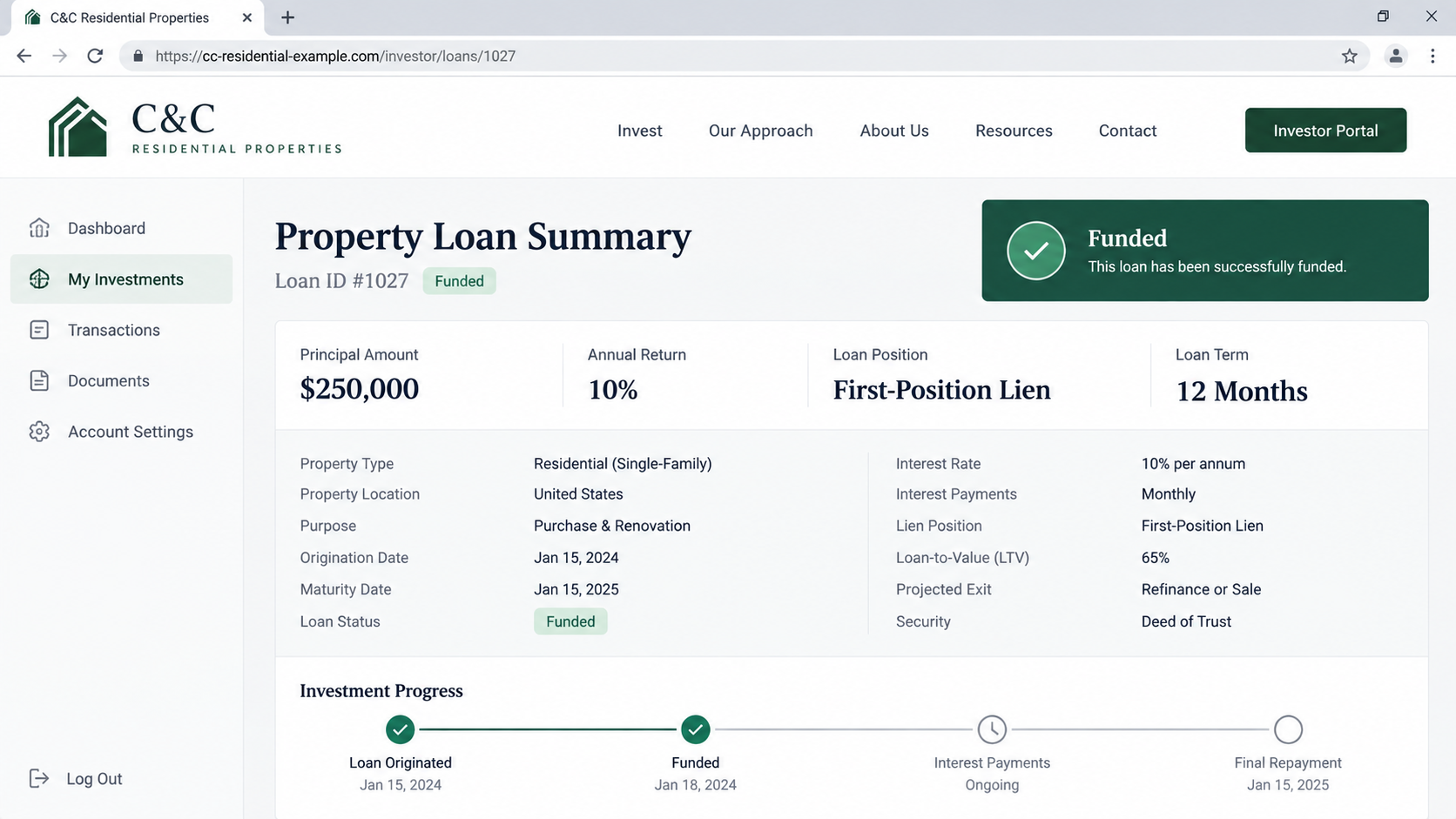
According to prosecutors, Carrier solicited money by claiming it would finance the purchase and renovation of particular residential properties. Investors were told their loans would be secured by first-position liens, a detail that appeared to give them priority if a project failed.
Those assurances were central to the pitch. A loan tied to an identifiable property can sound concrete and verifiable, especially when documents list an address, principal amount, interest rate, and deed of trust.
The records did not match the promises
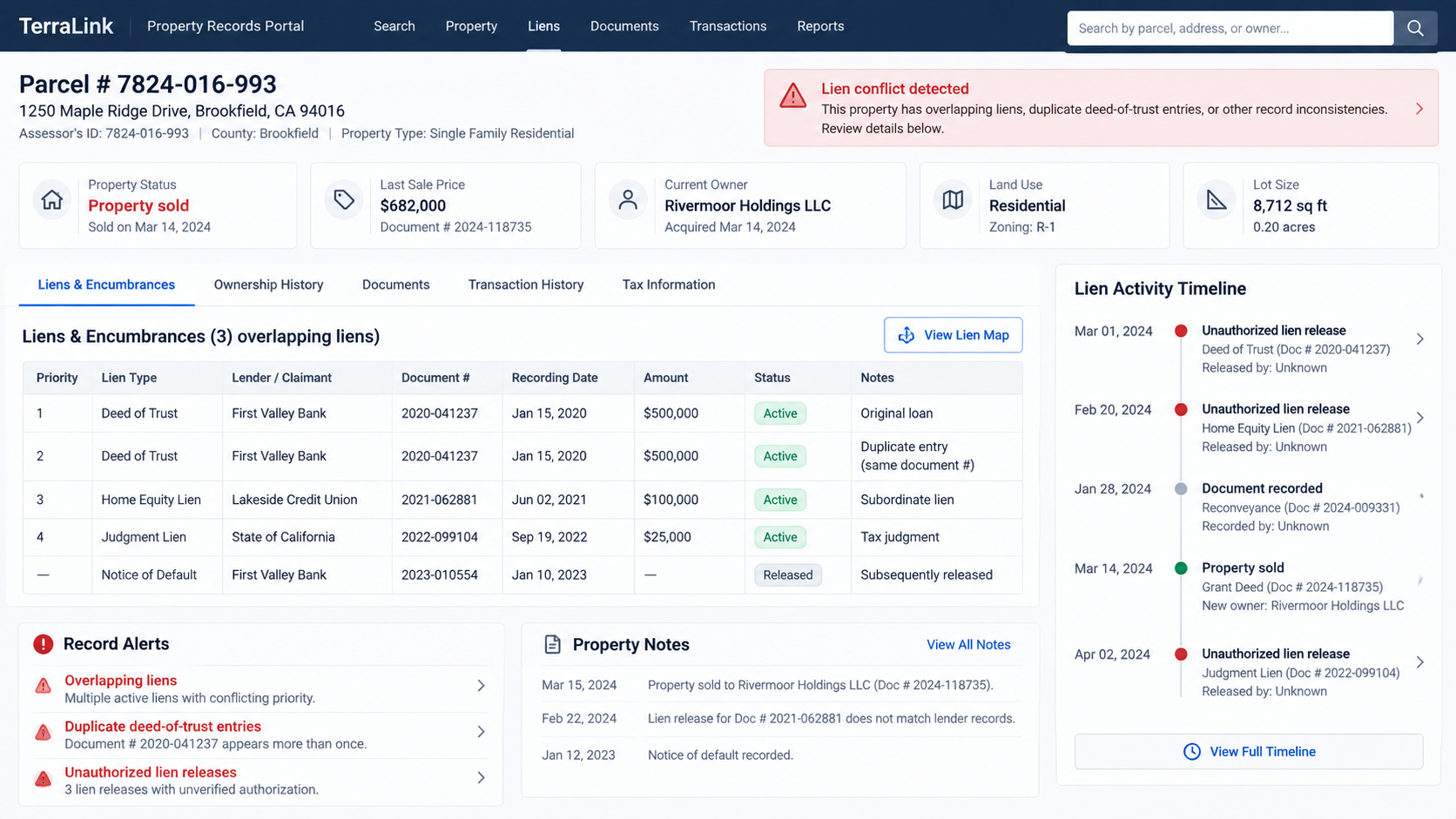
The Justice Department says Carrier frequently failed to record promised deeds of trust, placed multiple deeds against the same properties, concealed overlapping claims, and sometimes raised money against properties he did not own. Properties were also sold without telling affected investors.
From at least 2018 through 2024, the scheme sought nearly $39.5 million from more than 80 investors. Carrier was ordered to pay $24,416,911.16 in restitution, although a restitution order does not guarantee that every victim will recover the full loss.
- The pitch linked each loan to a named residential property.
- Investors were promised first-position liens and regular returns.
- Some promised security interests were never properly recorded.
- Multiple investors could be assigned conflicting claims on one property.
- New investor money helped cover earlier obligations and unrelated costs.
- The federal case ended with a 188-month sentence and restitution order.
What the Federal Case Established
The Northern District of Texas announced that Carrier pleaded guilty to wire fraud on October 30, 2025. The court later imposed a sentence of 188 months, which is more than 15 years, and ordered restitution of more than $24.4 million.
Prosecutors calculated that he intended to defraud investors of $39,514,300. They described victims as families, retirees, and small-business owners who believed they were funding ordinary acquisitions and renovations rather than an unstable flow of recycled investor money.
Court records summarized by the Justice Department say the misconduct included unrecorded deeds of trust, multiple deeds of trust on a single property, hidden encumbrances, and forged or unauthorized lien releases. Carrier also sold properties without informing investors whose money was supposedly secured by those assets.
Some funds went to personal expenses and unrelated business costs. Other money was used to make payments to earlier investors, a pattern consistent with a Ponzi-style scheme because apparent returns were not necessarily produced by the promised real-estate activity.
A respected-looking brand connection can help a promoter borrow credibility. It does not replace verification of the exact legal entity receiving the money, the person controlling it, the ownership of the proposed collateral, or the priority of a lien on the closing date.
How the We Buy Ugly Houses Franchise Investment Scam Worked
Step 1: A recognizable real-estate operation established trust
Carrier presented himself through an active real-estate investment business and a franchise associated with a well-known home-buying slogan. That environment made the opportunity look like an extension of ordinary property acquisition rather than a speculative private offering.
Investors could see a business name, a history of transactions, and specific homes. Familiarity lowered the natural skepticism that might greet a cold investment pitch from an unknown promoter.
Step 2: Each loan was connected to a specific property
The proposal said investor funds would buy, renovate, and resell a particular residence. A property address and renovation plan gave the investment a story that was easy to understand: money in, improvements completed, home sold, principal and interest returned.
That simplicity hid the need for independent title work. A printed address does not prove the borrower owns the property, has authority to pledge it, or has not already promised the same collateral to someone else.
Step 3: A first-position lien made the loan appear protected
Investors were assured that a deed of trust would put them first in line against the property. In a legitimate secured transaction, recording and priority matter because an unrecorded or junior interest may offer far less protection than the lender expects.
Prosecutors say Carrier frequently did not record the promised deeds. In other instances, multiple deeds were issued against the same property, creating conflicts that the investor had not agreed to accept.
Step 4: Conflicting liens and sales were concealed
A borrower can keep a problem hidden if investors rely on statements supplied by the borrower instead of fresh records from an independent title company. A payment arriving on time may further reassure the investor even while the collateral position is deteriorating.
The Justice Department says properties were sold without informing investors and forged or unauthorized lien releases were used to complete transactions. Once a property changed hands, the investor could discover that the promised security was missing or had been released.
Step 5: New money supported old promises
Rather than every return coming from the acquisition and resale described in the loan papers, some incoming investor funds were directed to earlier investors. Regular payments can therefore become misleading evidence of success.
This recycling delays discovery. An investor who receives interest may renew a loan, add principal, or recommend the promoter to relatives, allowing the operation to attract more money while its uncovered obligations grow.
Step 6: The shortfall surfaced after the structure could not continue
A scheme dependent on fresh capital becomes fragile when investors request principal, new money slows, or property records receive closer scrutiny. Missing collateral and overlapping claims cannot all be resolved by another reassuring statement.
Federal investigators ultimately reconstructed the transfers, property records, and representations. Carrier’s guilty plea and sentence turned what investors had experienced as separate failed loans into one documented fraud case.
Why Property-Backed Paperwork Can Still Be Misleading
A promissory note proves that someone documented an obligation. It does not prove that the borrower owns enough collateral, that the lien was recorded correctly, or that the signer has funds to repay it. Those facts require evidence outside the loan packet.
A deed of trust can also appear complete while remaining unrecorded. Until an independent search confirms the instrument in the county records, the investor should not assume the promised priority exists.
Even a recorded interest may compete with taxes, earlier mortgages, judgments, mechanics’ liens, or another deed recorded first. State law and the timing of recording affect priority, which is why a qualified local professional must review each transaction.
Title insurance can address certain covered defects, but it is not a substitute for understanding the policy, exclusions, insured party, and closing instructions. Investors should obtain documents directly from the title company instead of accepting forwarded copies.
Servicing statements require the same skepticism. A table showing principal, interest, and payment dates reflects what the operator entered. Compare it with escrow records, bank transfers, renovation invoices, permits, property ownership, and sale proceeds.
The strongest control is separation of duties. The promoter should not be the only person who selects the title agent, holds the funds, records the lien, reports construction progress, calculates returns, and confirms that everything succeeded.
Company, Address, and Fulfillment Checks
Verify the exact entity and the person selling the investment
A trade name, franchise logo, or brand relationship is not the same as a guarantee from the national brand. Obtain the borrower’s precise legal name, state registration, owners, physical address, and written explanation of which entity is liable.
Check the promoter through Investor.gov, state securities regulators, court records, and licensing databases. If the seller claims that registration is unnecessary, have an independent securities attorney evaluate that claim before money moves.
Order independent title and lien evidence
Use a title company or real-estate attorney you selected, not one controlled by the promoter. Confirm ownership, existing mortgages, judgments, tax liens, deed-of-trust recording, and the exact priority of your interest.
Repeat the search immediately before funding and after recording. A preliminary report from weeks earlier cannot show a lien or transfer recorded later.
Control closing and disbursement
Funds should pass through a legitimate escrow or closing process with written conditions. Do not wire money to a personal account merely because the promoter says the property must close quickly.
Require evidence that the deed of trust was recorded and independently retrieve the public record. A PDF supplied by the borrower can be altered and should not be the only confirmation.
Test the economics instead of trusting steady payments
Ask for purchase contracts, renovation budgets, insurance, permits, comparable sales, bank statements, and a clear exit plan. Confirm important documents with the issuer or public office rather than through contact details in the investment packet.
Treat guaranteed returns, resistance to outside review, unexplained refinancings, or requests to roll interest into a new deal as warning signs. Consistent payments do not prove that the underlying project is profitable.
What to Do if You Have Fallen Victim to This Scam
- Stop sending money. Do not fund a replacement property, legal fee, tax, or recovery service until an independent attorney has reviewed the demand.
- Preserve the full record. Save promissory notes, deeds of trust, wire receipts, emails, texts, account statements, property addresses, tax forms, and marketing materials. Keep original files and message headers.
- Contact your bank immediately. Ask its fraud department whether a recent wire can be recalled or frozen. Speed matters, but no recovery is guaranteed.
- Hire independent counsel. A lawyer experienced in securities fraud and real-estate liens can check title, bankruptcy filings, limitation periods, and options for asserting a claim.
- Report the investment fraud. Submit information to the FBI through IC3, the SEC, your state securities regulator, and local law enforcement. Existing victims of a prosecuted case should follow instructions from the assigned victim-witness coordinator.
- Check your identity and accounts. If you supplied a Social Security number, tax return, bank statement, or identity document, place appropriate credit protections and review financial activity.
- Scan devices used for document exchange. If unexpected files, portals, or software were involved, run a reputable security scan such as Malwarebytes and remove anything detected before changing passwords.
- Reduce exposure to malicious follow-ups. AdGuard can help block known harmful domains and intrusive scam advertising, although it cannot recover funds or replace legal review.
- Block malicious follow-up contact. Recovery scammers monitor public cases and promise fast restitution for an upfront fee. Do not pay a stranger who says they can unlock, trace, or prioritize your claim.
Restitution and private recovery are different processes. Keep contact details current with authorities, respond to official notices, and verify every message independently because criminals may impersonate investigators or claims administrators.
Frequently Asked Questions
Was the entire We Buy Ugly Houses company convicted?
No. The federal announcement describes Charles Carrier, president of C&C Residential Properties and a former franchisee, as the defendant. The conviction does not establish that every franchisee or the national company participated in his scheme.
How much money was involved?
Prosecutors said Carrier intended to defraud investors of $39,514,300 and targeted more than 80 investors. The court ordered $24,416,911.16 in restitution after sentencing him to 188 months.
What is a first-position lien?
It generally means the lien has priority over later claims against the same property. The practical protection depends on valid documents, proper recording, ownership, prior encumbrances, and applicable state law.
Can a recorded deed of trust still be unsafe?
Yes. A deed may be junior to another claim, tied to inadequate collateral, challenged, released, or affected by fraud. Independent title review and controlled closing procedures are still necessary.
Do regular interest payments prove an investment is legitimate?
No. Ponzi schemes use money from newer investors to pay earlier participants. A payment shows that money arrived, not that the advertised project produced it.
Where should suspected real-estate investment fraud be reported?
In the United States, reports can go to the FBI’s IC3 portal, the SEC, state securities regulators, state attorneys general, and local law enforcement. A lawyer can help preserve civil claims while a criminal report is reviewed.
The Bottom Line
The Carrier case shows why recognizable branding and property-specific paperwork cannot substitute for independent verification. Investors were promised secured real-estate loans, while prosecutors found missing records, overlapping liens, unauthorized releases, and money diverted away from the represented purpose.
Before funding any private property deal, verify the exact borrower, the seller’s licensing, the ownership and lien history, and the closing process through professionals who answer to you. Trust the public record, not the confidence of the pitch.

Join the discussion
0 commentsShare your experience or ask a question about this article.
Discussion
Start the conversation
Have a question or something useful to share? Add the first comment.