

Webtmr.exe is a file that you may come across on your computer, and you might be wondering what it is and whether or not you should remove it. In this article, we will delve into the details of webtmr.exe, its purpose, and whether it poses any potential risks to your system. We will also provide you with valuable insights and recommendations to help you make an informed decision.
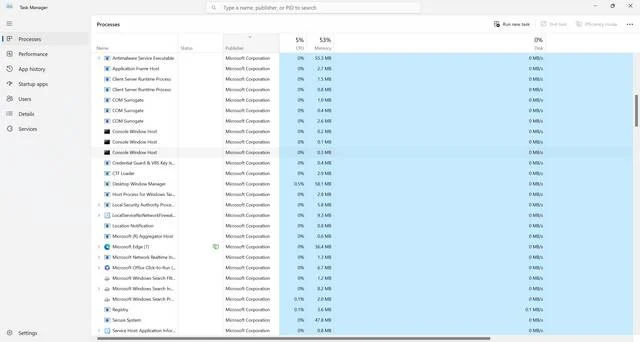
What is webtmr.exe?
Webtmr.exe is an executable file that is associated with certain software applications or processes. The “.exe” extension indicates that it is an executable file, which means it can be run or executed by your computer’s operating system. However, it is important to note that not all executable files are harmful or malicious.
Webtmr.exe is commonly found in the “C:\Program Files” or “C:\Program Files (x86)” directory on Windows systems. It is often related to web tracking or analytics software, which is used by websites to collect data on user behavior and website performance. This data is then used to improve user experience, optimize marketing strategies, and enhance website functionality.
Should you remove webtmr.exe?
Whether or not you should remove webtmr.exe depends on the specific circumstances and your level of trust in the associated software or process. Here are a few factors to consider:
1. Legitimate software:
If webtmr.exe is associated with a legitimate software application that you have installed intentionally, it is generally safe to keep it. Legitimate web tracking or analytics software is commonly used by websites and businesses to gather valuable insights and improve their online presence. Removing it may result in the loss of important data or functionality.
2. Suspicious behavior:
If you notice any suspicious behavior or performance issues on your computer that are directly related to webtmr.exe, it is advisable to investigate further. Some malware or malicious programs may disguise themselves as webtmr.exe to evade detection. In such cases, removing webtmr.exe becomes necessary to protect your system from potential harm.
3. Antivirus scan:
Performing a thorough antivirus scan using reliable security software, such as Malwarebytes Free, can help identify any potential threats associated with webtmr.exe. If the scan detects any malicious activity or files, it is recommended to remove them immediately.
Is webtmr.exe malware?
Webtmr.exe itself is not inherently malware. As mentioned earlier, it is often associated with legitimate web tracking or analytics software. However, it is important to remain cautious as malware can sometimes disguise itself as webtmr.exe to avoid detection.
If you suspect that webtmr.exe on your system is malicious, here are a few signs to look out for:
- Unusual or excessive CPU or memory usage by webtmr.exe
- Frequent system crashes or freezes
- Unexpected network activity
- Unauthorized changes to system settings or files
If you observe any of these signs, it is crucial to take immediate action to protect your system and remove any potential threats.
Summary
In conclusion, webtmr.exe is an executable file associated with web tracking or analytics software. Whether or not you should remove it depends on the specific circumstances and your level of trust in the associated software or process. If you suspect any malicious activity or observe suspicious behavior, it is recommended to perform an antivirus scan using reliable security software like Malwarebytes Free and remove any potential threats.
Remember to always exercise caution when dealing with executable files and regularly update your security software to stay protected against evolving threats. By staying informed and taking proactive measures, you can ensure the safety and security of your computer system.

Join the discussion
0 commentsShare your experience or ask a question about this article.
Discussion
Start the conversation
Have a question or something useful to share? Add the first comment.