

In the last few weeks, TikTok and Instagram have been buzzing with footage of a so-called Whistling Lavender Insect. The creature, said to be found in a garden near Toulouse, France, appears to be a bizarre hybrid of plant and insect. It has legs like a stick bug, a body shaped like a lavender stalk, and a head composed of tightly clustered lavender buds.
In the viral clip, this strange “plant-bug” even appears to whistle softly when approached by a dog, as if the flowers themselves were producing sound. The post identifies it as Lavendula ambulare, translated as the “walking lavender” or “Whistling Lavender.”
But is this mysterious garden insect-plant hybrid real? Could nature have evolved such a fantastical creature? Or is it yet another AI-generated hoax designed to captivate social media audiences?
This article takes a deep dive into the viral claim, dissects the scientific impossibilities, and explains why millions of viewers were tricked into believing in this floral fantasy.
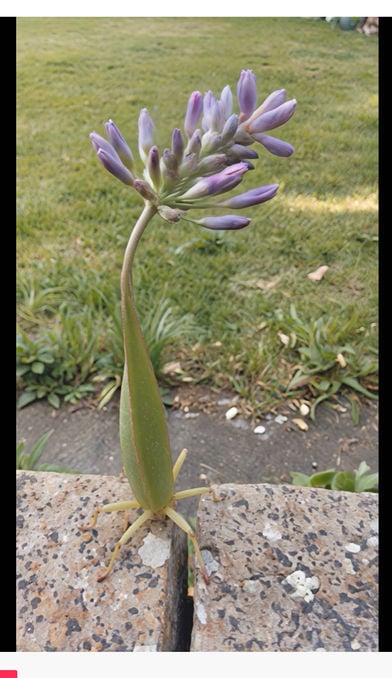
What the Viral Video Claims
The Instagram and TikTok posts describing the Whistling Lavender Insect provide an elaborate narrative.
- Location: A garden near Toulouse, France.
- Appearance: An insect-like body with thin legs supporting a stem-like torso topped with lavender buds.
- Behavior: Moves slowly and gracefully along a stone wall, pauses when approached by a dog, then emits a whistling sound.
- Name: Lavendula ambulare, meaning “walking lavender.”
- Folklore: Local legends claim seeing one brings peace and tranquility.
The description reads like a page from a naturalist’s field journal mixed with folklore, which makes it more believable to casual viewers.
Fact-Check: Is the Whistling Lavender Insect Real?
The verdict is clear: No, the Whistling Lavender Insect is not real. It is a fabricated digital creation produced with AI image-generation tools and video-editing software.
There is no scientific record of Lavendula ambulare in entomology or botany. The species name is invented, the behavior is biologically impossible, and the video itself shows classic signs of AI manipulation.
The Red Flags That Prove It’s Fake
1. Biological Impossibility
Plants and animals belong to entirely different kingdoms of life. Evolutionary biology provides no pathway for an insect to sprout true lavender flowers or produce plant-like structures from its body. Mimicry exists in nature, but cross-kingdom hybrids do not.
2. Fabricated Scientific Name
The Latinized name Lavendula ambulare is made to sound authentic, but it is not recognized in taxonomy. True lavender belongs to the genus Lavandula, not “Lavendula.” The altered spelling is a common trick in hoaxes to sound scientific while avoiding direct contradiction with existing taxonomy.
3. No Scientific Documentation
A creature like this would represent one of the greatest discoveries in biology. If it were real, it would be published in journals like Nature or Science and announced by major research institutions. Instead, the only evidence is a short TikTok clip.
4. Signs of AI Generation
- Texture Blending: The transition between the insect’s body and lavender buds looks unnaturally smooth.
- Movement Artifacts: The creature’s slow walk resembles animation more than organic locomotion.
- Audio Manipulation: The “whistling” is likely added sound design, not a natural biological phenomenon.
5. Source of the Video
The creator accounts posting this content are known for AI insect-plant hybrids, similar to viral hoaxes like Mantiflora Aurantia and Florus Fugitivus.
Why People Believe It
Despite obvious red flags, millions of viewers were convinced by the Whistling Lavender hoax. Here’s why:
- Scientific Illusion: Latinized names lend an air of authority.
- Cultural Flavor: Adding “local folklore” makes it feel grounded in tradition.
- Visual Wonder: The blend of insect and lavender is mesmerizing.
- Plausibility Through Mimicry: People know real insects mimic plants, so the hoax feels like a natural extension.
Real-Life Insects That Inspired the Hoax
While the Whistling Lavender is fake, it draws inspiration from real species with incredible adaptations.
- Orchid Mantis (Hymenopus coronatus): Mimics orchid petals, fooling pollinators.
- Stick Insects (Phasmatodea): Look exactly like twigs or stems.
- Leaf Insects (Phyllium): Camouflage as living leaves, complete with veins and irregular edges.
- Flower Beetles (Cetoniinae): Metallic and brightly colored, often blending into blossoms.
These examples show the marvels of mimicry without requiring impossible flower-bug hybrids.
Folklore and Fantasy Elements
The video’s description claims local folklore in France recognizes the “Whistling Lavender” as a harbinger of peace. This is a narrative flourish, not fact. French folklore contains no mention of lavender-bugs that sing. Instead, this story element was added to enhance the sense of mystery and authenticity.
The Role of AI in Creating Hoaxes
AI image generators like MidJourney, Stable Diffusion, and Krea AI are frequently used to create insect-flower hybrids. By blending plant textures with insect forms, these tools produce surreal but convincing results.
Once shared on TikTok or Instagram, these AI outputs spread without context, misleading audiences who mistake them for genuine biological discoveries.
The Psychology of Viral Nature Hoaxes
The Whistling Lavender Insect went viral for the same reasons as other hoaxes:
- Curiosity: People are drawn to the idea of undiscovered wonders.
- Shareability: Unbelievable visuals encourage reposts and debates.
- Authority Illusion: Pseudo-scientific field notes make the claim harder to dismiss.
- Fantasy Appeal: It looks like a creature from a fantasy film, which makes it entertaining.
The Dangers of Believing Such Hoaxes
While it may seem like harmless fun, these viral hoaxes have real consequences:
- Erosion of Trust: People may become skeptical of genuine scientific discoveries.
- Spread of Misinformation: Viewers share fake claims faster than corrections.
- Overshadowing Real Biodiversity: Fake species divert attention from real endangered ones.
- Blurring Fact and Fiction: AI tools make it harder to distinguish reality from digital fantasy.
How to Spot Fake Species in the Future
To avoid being misled by future viral hoaxes, remember these steps:
- Check Scientific Sources: Verify names in taxonomy databases.
- Look for Peer-Reviewed Papers: Major discoveries are always documented.
- Watch for AI Markers: Odd textures, perfect symmetry, or AI watermarks.
- Analyze the Source: If it originates only from TikTok/Instagram, be cautious.
- Apply the Plausibility Test: If it seems too fantastical, it probably is.
Lessons From the Whistling Lavender Hoax
- Art vs. Science: AI creations should be appreciated as digital art, not mistaken for real biology.
- Critical Thinking Matters: Viral content requires skepticism.
- Nature Is Already Astonishing: Real insects have evolved breathtaking adaptations that rival fiction.
Final Verdict: Real or Fake?
The Whistling Lavender Insect is fake. Lavendula ambulare does not exist in any scientific record. The viral video is a digital creation blending insect-like features with lavender plants, accompanied by added sound effects.
It is a captivating piece of AI art, but it is not a scientific discovery.
Conclusion: Celebrate Real Wonders
The Whistling Lavender hoax captured imaginations because it combined beauty, mystery, and folklore into one viral package. But real biodiversity is even more fascinating. From mantises that mimic flowers to beetles that shine like gemstones, nature provides endless wonder without fabrication.
The next time you see a “walking lavender” or a beetle blooming into a flower on social media, pause to question it. By separating fact from fiction, we can enjoy the artistry of AI while still respecting the incredible reality of our natural world.

Join the discussion
0 commentsShare your experience or ask a question about this article.
Discussion
Start the conversation
Have a question or something useful to share? Add the first comment.