

Online shopping scams are more prevalent than ever, with cunning fraudsters constantly finding new ways to trick unsuspecting consumers. One such elaborate ruse making the rounds is the so-called “Wilko Super Value Sales” scam. This fraudulent scheme leverages the brand and likeness of the popular British retailer Wilko to scam victims out of their money.
This article will provide an in-depth look at how this shopper scam operates, who is behind it, how to identify it, and most importantly, how to avoid becoming another victim. Understanding the tactics and hallmarks of this scam is crucial to protect yourself during online shopping excursions.
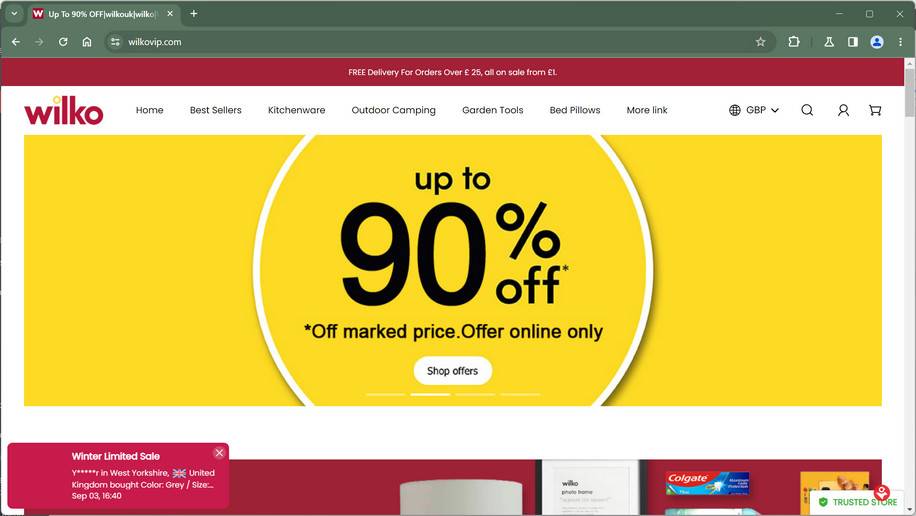
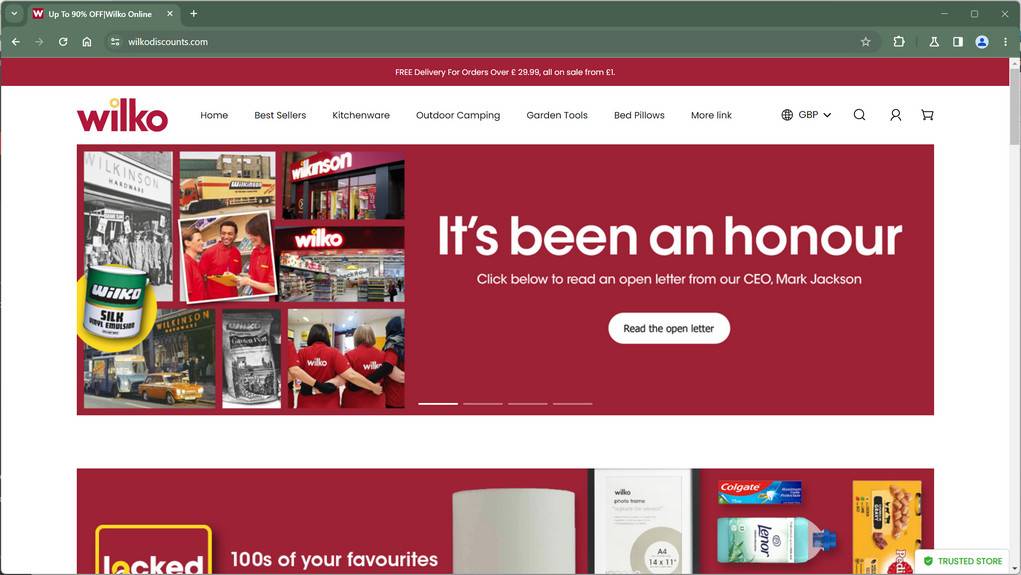
Overview of the Wilko Super Value Sales Scam
The scam typically begins with online advertisements promoting unbelievable sales and discounts on the website “Wilko Super Value Sales” (or similar domain names). The ads are designed to entice shoppers with seemingly amazing deals such as 90% off select items.
However, this website has no actual affiliation with the real Wilko brand. It is a fake storefront constructed by scammers to defraud customers. The scam site will use Wilko’s logos, images, and branding illegally to add legitimacy to the ruse.
Victims who place orders through the fraudulent website typically experience one of the following:
- Receive nothing – The most frequent outcome. Orders simply go unfulfilled after payments are processed.
- Obtain knock-off or inferior substitutes – Low-quality replicas that do not match product descriptions may arrive.
- Receive used, damaged or tampered goods – Products appear clearly worn, broken or altered.
- Get completely incorrect items – Orders filled with completely random products not matching the original order.
In addition to selling non-existent, fraudulent or misrepresented products, these sham sites also harvest users’ personal and financial data during checkout. The criminals behind the scam will collect and likely exploit names, addresses, phone numbers, credit card information and other sensitive details provided.
How Does the Wilko Super Value Sales Scam Work?
The operators of this scam have established an intricate network of fake storefronts and advertisement channels to successfully pull off this shopper ruse time and time again. Here is how this scam works at a high level:
Step 1 – Blast Online Ads
The scam begins with a heavy volume of online advertisements promoting the fraudulent site. These ads are disseminated through various channels such as Facebook, Instagram, search engines, email spam campaigns, and more. The ads tout unbelievable sales of up to 90% off, attempting to entice shoppers to the site.
Step 2 – Drive Traffic to the Fake Site
When users click these compelling ads, they are taken to the scam website crafted to look like the real Wilko site. The scam site will leverage the Wilko logo, graphics, images, and branding throughout to appear as a legitimate extension of the retailer.
Step 3 – Dupe Shoppers into Buying
Once on the site, users see incredibly discounted prices on products. The scam takes advantage of shopper psychology that pushes people toward unbelievable deals. Large countdown timers and limited quantity messaging creates urgency to entice rapid purchases.
Step 4 – Harvest User Data at Checkout
As the user goes through the checkout process to purchase items, the scam site quietly collects the victim’s personal and financial information. This includes full name, home address, phone number, email address, and crucially credit/debit card details.
Step 5 – Take the Money and Run
With payment data successfully harvested, the criminals can now execute fraudulent charges and withdrawals. Meanwhile, the customer receives nothing in return or potentially bogus products if anything arrives at all. The scam operators then disappear and shut the site down, only to initiate the same scheme again under a new domain.
Who is Behind the Wilko Super Value Sales Scam?
According to cybersecurity researchers, these fake shopping scams are largely operated by networks of cyber criminals based primarily in China. They are able to run the ecommerce scam infrastructure including:
- Creating the fake sites – The scam networks utilize ready-made templates that can be quickly modified with different branding and product imagery to match the retailer being impersonated.
- PurchasingDomains – Scammers regularly buy up new domains to replace shut down sites and avoid blacklists. Domains often include the victim brand name (e.g. Wilko) to add legitimacy.
- Setting up payment processing – The scam operators establish accounts with online payment processors and banks to accept credit card transactions from unwary shoppers.
- Managing advertisement channels – Creating campaigns on channels like Facebook and Google to promote their scam sites and attract traffic.
- Fulfilling fake orders – When items do ship, it is from warehouses in China containing cheap counterfeits and random goods to send to victims.
- Obtaining new scam resources – These networks have extensive operations enabling them to continually obtain new site templates, merchant accounts, web hosting, domain names, and more to keep the scam going.
The capabilities of these fraudulent networks allow them to operate extensive scam infrastructures at scale and profit immensely off the theft from unsuspecting shoppers.
Warning Signs of the Wilko Super Value Sales Scam
While the criminals go to great lengths to make their scam sites look legitimate, there are plenty of red flags users should watch out for. Here are some of the telltale signs that a shopping site is an outright scam:
Too Good to Be True Discounts
Ridiculously steep discounts of 50-90% off should immediately raise suspicions. Wilko and other leading retailers rarely provide such dramatic savings without valid reason.
Shocking Price Differences
If prices are substantially lower than Wilko’s real website or other major retailers, it’s a red flag. How could the scam site so dramatically undercut competitors?
Wilko Logos & Branding Misuse
The scam operators have no authorized right to use Wilko’s official branding, logos, product images, or other intellectual property. This theft of assets indicates an illegitimate operation.
Website Recently Created
Scam sites like these are hastily created just prior to the scam launch. Checking domain registration info reveals creation dates within the past few months or even weeks.
No Contact Information
The site lacks any legitimate contact info beyond an email address. No company address, phone number, or live customer service options are provided.
Grammatical/Spelling Errors
Look for typos, formatting problems, awkward phrasing, and grammatical mistakes. A real multinational retailer would have proper copywriting.
No Social Media Presence
Beyond the ads, these scam companies have zero legitimate social media footprint or recognition online.
Reviews Seem Fake or Non-Existent
Normal major retailers have extensive reviews across the web. But scam sites either have none or very questionable/fake-looking reviews.
Privacy Policy/ToS Look Suspicious
These legal pages appear to be hastily copied or borrowed from other sites with odd formatting or irrelevant sections.
By being vigilant against these warning signs, shoppers have a much greater likelihood of spotting a fraudulent website before becoming victimized.
What to Do If You Already Ordered From Wilko Super Value Sales
If you made the mistake of placing an order through one of these scam websites, the situation may seem dire but there are still important steps to take right away for damage control:
Immediately Contact Your Bank
Call your credit/debit card issuer and explain it was an unauthorized fraudulent charge. Ask to reverse the payment and get a new card number issued. Time is of the essence to act quickly.
Report the Incident to Authorities
File reports regarding the scam website, transaction, and personal data theft to the FTC and FBI IC3 immediately. Provide details to assist investigations.
Dispute Charges with the Payment Processor
If able to identify the payment processor, contact them as well explaining it was an illegal scam website that made the charge. Demand they reverse it.
Monitor Accounts Closely
Keep vigilant watch on your card statements as well as credit reports for any signs of further abuse of your information. Report any unauthorized activity.
Adjust Privacy Settings
Evaluate the personal data that may have been exposed like address and phone. Adjust privacy controls on relevant accounts like social media to limit exposure.
Learn From the Experience
In the future, apply the knowledge gained about scam website warning signs to better detect and avoid criminal retailers. Be especially wary of unbelievable deals.
How to Avoid the Wilko Super Value Sales Shopping Scam
The depth and complexity of this retail scam means that consumers must stay vigilant to avoid being victimized. Here are some key tips to safely navigate around this scam:
- Avoid clicking ads promoting unreasonable discounts – Don’t click on social media ads or emails touting 50-90% off deals or other unbelievable savings without immense skepticism first.
- Only shop directly on retailer websites you know – Navigate directly to store sites manually via the URL bar. Never go through an ad link claiming to be a store.
- Research unfamiliar stores thoroughly first – If you come across a new retailer online, heavily scrutinize it through reviews, complaints, etc. before providing any personal or financial data.
- Verify domain ages with WHOIS lookups – Research domains on WHOIS sites to see if they were only recently registered, indicating a scam.
- Use credit cards instead of debit cards – Credit card disputes and chargebacks are typically easier than recovering debited bank account funds from scams.
- Avoid sites with no contact number or physical address – Opaque sites that only provide an email are far more likely to be outright scams so should be avoided.
With knowledge of how this scam works plus vigilance against the warning signs, shoppers can steer clear of these malicious websites preying on the unwary. Avoid enticing ads, deals that seem too good to be true, and always verify a retailer’s legitimacy before providing payment information. Stay safe during online shopping by following these tips.
How to Spot This Scam on Facebook
Facebook has become one of the prime channels for scammers to promote their fake shopping websites through paid ads and posts. Here are some tips to identify this scam on Facebook specifically:
- Scrutinize ads with improbable deals – Any ads in your feed with hard-to-believe discounts like 90% off should be approached with great caution before clicking.
- Watch for wrong branding – The scam ads may use Wilko’s name, but show product photos or other branding that seems a bit off. This is a sign of impersonation.
- Check the destination website – Click the small “Visit Site” link to preview the actual site you’ll be directed to. Cross reference it with the legitimate Wilko site to identify fakes.
- Look for dubious page histories – Click on the Page name in the ad and check how long the Facebook Page has been active. Newly created pages are a red flag.
- See if others have called it out – Scan the comments on the ad or Page posts to see if other users have identified it as a scam. This feedback can be very telling.
- Research the Page itself – Search for the Page name and look for any negative reports and scam warnings regarding the Page spreading these ads.
Staying vigilant on Facebook itself is crucial, as most users naturally let their guard down while scrolling and are more vulnerable to scams blended into their feeds. Leverage these tips to proactively spot and report these shopping scams on FB.
Frequently Asked Questions About the Wilko Super Value Sales Scam
What is the Wilko Super Value Sales scam?
This is a fraudulent shopping website scam that uses the brand name, logo, images, and likeness of UK retailer Wilko to deceive customers. Fake ads promote the scam site with unbelievable discounts on electronics, appliances, clothing, and more. However, it is not affiliated with the real Wilko company.
How does the scam work?
The criminals blast out ads online, then direct victims to their fake site mirrored off the real Wilko site. Shoppers are tricked into providing personal and payment data, but receive nothing or worthless products in return.
What are some warning signs of the scam site?
Red flags include steep 80-90% discounts, recently created domain, fake reviews, no contact number, grammatical errors, prices much lower than real sites, and lack of social media presence.
What happens if I placed an order through the scam website?
Most likely your information was stolen and no order will be fulfilled. Contact your bank immediately to dispute the charges and monitor your credit reports for further identity theft.
How can I report this scam?
Report the fraudulent website, fake ads, and any financial fraud you experience to the FTC, FBI IC3, and CIFAS to assist law enforcement in investigating these crimes.
How can I avoid this shopping scam in the future?
Stick to official retailer sites, don’t click questionable discount ads, research unfamiliar stores, use credit cards for purchases, and follow the other scam avoidance tips outlined above.
Are there other brand name shopping scams I should watch out for?
Yes, fraud rings operate numerous fake sites mimicking major retailers from Walmart and Best Buy to Amazon and Apple. Apply caution anytime ads promote unbelievably big discounts.
This FAQ covers the key questions individuals may have regarding the inner workings and avoidance of the pervasive Wilko Super Value Sales scam. Being an informed and vigilant shopper is your best defense against similar elaborate ruses trying to take advantage of consumers.
Conclusion
In their endless quest to deceive and steal from consumers, scam artists have sunk to elaborate new lows with ploys like the “Wilko Super Value Sales” sham shopping website. By mimicking familiar brands like Wilko, they hope to dupe customers into buying non-existent or worthless products.
However, armed with the knowledge provided in this article, shoppers can now recognize the multiple red flags these fraudulent sites exhibit. You also now understand the end-to-end scam process and have steps to address the situation should you ever fall victim. Avoiding these elaborate retail scams comes down to spotting the warning signs, verifying each website, and using caution when deals seem unrealistic.
Going forward, adhere to the safe shopping practices outlined here. Bookmark legitimate retailer websites you frequent and navigate directly each time rather than through ads. Finally, listen to your intuition – if an offer triggers skepticism, do not give that website your business or your data. Through education and vigilance, consumers have the power to protect themselves and stop supporting these criminal operations. Share this article to help others identify and steer clear of shopping scams seeking to take advantage of unwitting customers.








