

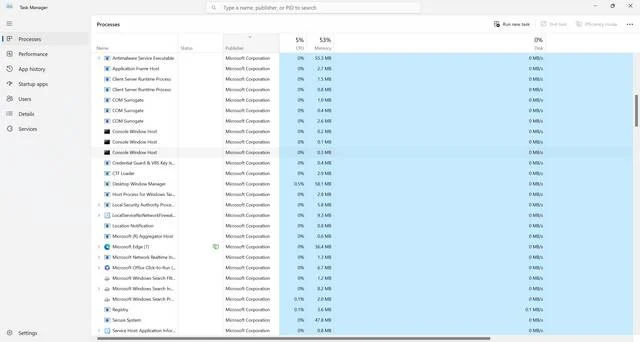
When you open the Task Manager on your Windows computer, you may notice a process called “Windows Firewall” running in the background. This may raise questions about why the Windows Firewall process is running and what its purpose is. In this article, we will explore the Windows Firewall process, its importance, and how it contributes to the security of your system.
Understanding Windows Firewall
Windows Firewall is a built-in security feature in Windows operating systems that monitors and controls incoming and outgoing network traffic. Its primary function is to protect your computer from unauthorized access and potential threats from the internet or local network.
Windows Firewall acts as a barrier between your computer and the outside world, filtering network traffic based on predefined rules. It analyzes the data packets coming into your system and decides whether to allow or block them based on these rules.
Why Is the Windows Firewall Process Running?
The Windows Firewall process running in the Task Manager is an essential component of the Windows operating system. It ensures that the firewall is actively protecting your computer by monitoring network traffic and enforcing the configured rules.
Here are a few reasons why the Windows Firewall process is running:
- Real-time Protection: The Windows Firewall process continuously monitors network traffic in real-time to identify and block any suspicious or malicious activities. It helps prevent unauthorized access to your system and protects your sensitive data.
- Rule Enforcement: The Windows Firewall process enforces the rules you have set for inbound and outbound connections. These rules determine which applications and services are allowed to communicate over the network. By running the Windows Firewall process, your system ensures that these rules are being applied correctly.
- Automatic Updates: The Windows Firewall process also handles automatic updates for the firewall. It ensures that your firewall is up to date with the latest security patches and improvements, providing you with enhanced protection against emerging threats.
How to Manage Windows Firewall
Windows Firewall can be managed through the Windows Security settings. To access the Windows Firewall settings:
- Open the Start menu and search for “Windows Security.”
- Click on “Windows Security” to open the app.
- In the Windows Security app, click on “Firewall & network protection.”
- Here, you can view and modify the firewall settings, including inbound and outbound rules, notifications, and advanced settings.
It is important to regularly review and update your firewall settings to ensure that they align with your security requirements. By customizing the rules, you can allow or block specific applications or services from accessing the network, providing you with granular control over your system’s security.
The Importance of Windows Firewall
Windows Firewall plays a crucial role in safeguarding your computer from various threats. Here are some key reasons why Windows Firewall is important:
- Protection Against Unauthorized Access: Windows Firewall acts as a barrier between your computer and potential attackers. It prevents unauthorized access to your system, reducing the risk of data breaches and unauthorized data transfers.
- Defense Against Malware: By monitoring network traffic, Windows Firewall can detect and block malicious software attempting to connect to your system. It adds an extra layer of defense against malware and helps prevent infections.
- Network Security: Windows Firewall enhances the security of your local network by controlling the inbound and outbound connections. It ensures that only trusted devices and services can communicate with your computer, reducing the risk of network-based attacks.
Conclusion
The Windows Firewall process running in the Task Manager is an integral part of the Windows operating system. It actively protects your computer by monitoring network traffic, enforcing rules, and providing real-time protection against potential threats.
Understanding the importance of Windows Firewall and regularly reviewing its settings can significantly enhance the security of your system. By customizing the rules and keeping the firewall up to date, you can ensure that your computer remains protected from unauthorized access and potential malware infections.
Remember, it is always recommended to have a reliable antivirus and anti-malware solution installed on your system. Consider scanning your computer for viruses and malware regularly using Malwarebytes Free to complement the protection provided by Windows Firewall.

Join the discussion
0 commentsShare your experience or ask a question about this article.
Discussion
Start the conversation
Have a question or something useful to share? Add the first comment.