


Most of the operators behind P2P ZeuS and CryptoLocker have not been seen since the operation against this group and their infrastructure, however this does not mean that the threat has gone away. The past months have seen a lot of fluidity, caused by new players trying to enter this space and existing customers of the P2P ZeuS group looking for new solutions for their crimeware needs.
Parts of the inject code have reappeared in other botnets, we are tracking new malware variants being developed which appear to re-use or build upon parts of P2P Zeus and there is an upsurge activity from Gozi, Bugat and other existing malware variants. This means some of the high profile customers of P2P Zeus are looking for a new custom piece of malware while others customers simply joined other existing operations like Gozi.
The fact that the CryptoLocker malware netted the P2P Zeus group significant income has also lead to renewed interest in ransomware as a way to make money and copycat malware using the same approach have now appeared, an example being Cryptowall – which has even copied part of the name.

If we compare that to the decryption requests, we can see the data correlates. Indeed the top countries requests are made from, are countries where English is a major language.


The total number of valid decryption requests is 2900. An interesting fact is that in the UK, relatively more victims have requested their keys than in the US – more than in all other large countries to be precise. Only some very small countries with a handful of infections showed greater ratios, which can be attributed to too low statistical sample sizes.
The type of files that were offered for private key matching show some interesting things too.

Although this is not necessarily a representation of the actual files being encrypted with malware, one can imagine that a .dwg file (a CAD file) might represent a lot of value to the victim, in terms of specialist hours spent on working on the file.
Full Article
Parts of the inject code have reappeared in other botnets, we are tracking new malware variants being developed which appear to re-use or build upon parts of P2P Zeus and there is an upsurge activity from Gozi, Bugat and other existing malware variants. This means some of the high profile customers of P2P Zeus are looking for a new custom piece of malware while others customers simply joined other existing operations like Gozi.
The fact that the CryptoLocker malware netted the P2P Zeus group significant income has also lead to renewed interest in ransomware as a way to make money and copycat malware using the same approach have now appeared, an example being Cryptowall – which has even copied part of the name.
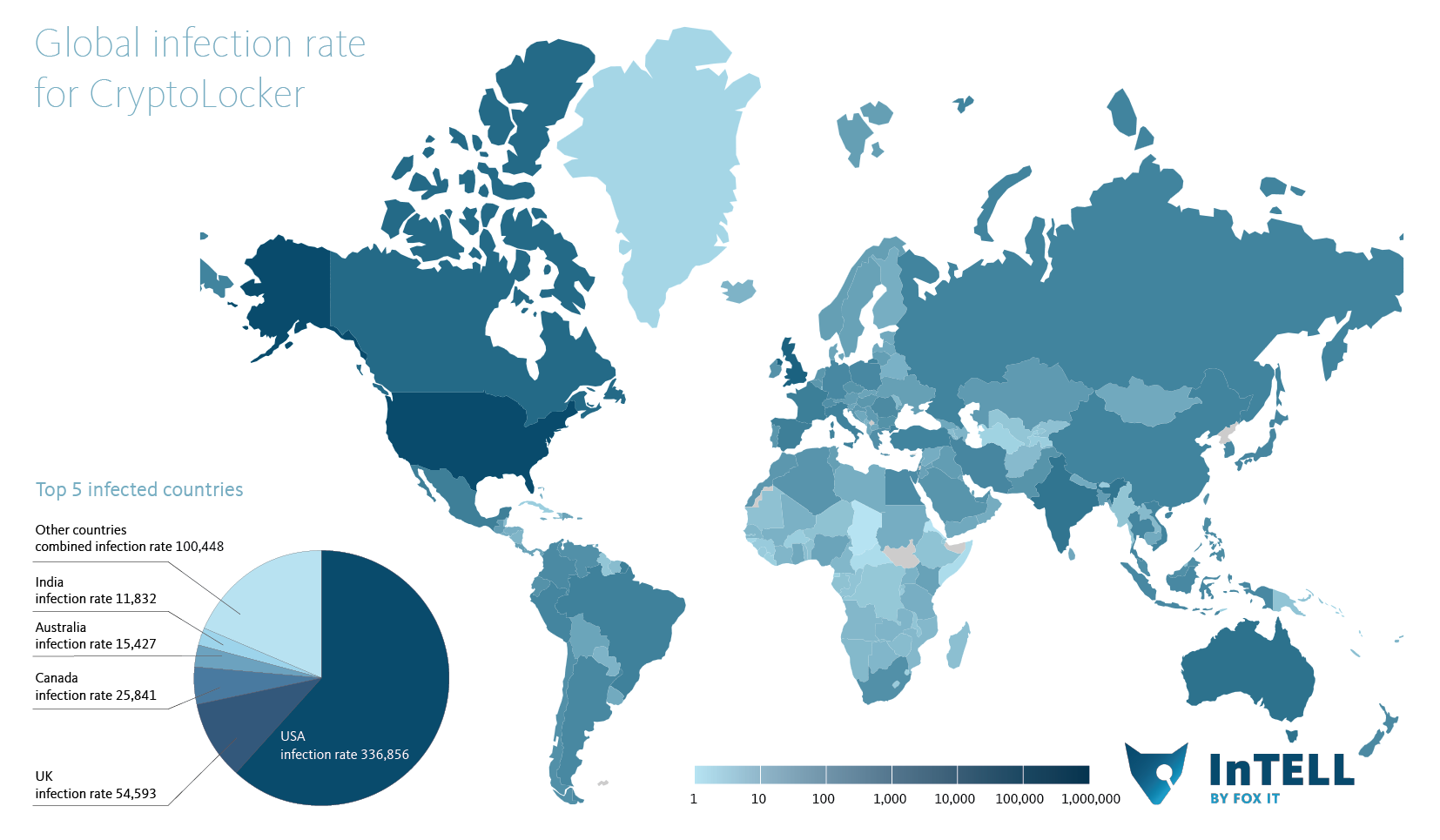
If we compare that to the decryption requests, we can see the data correlates. Indeed the top countries requests are made from, are countries where English is a major language.
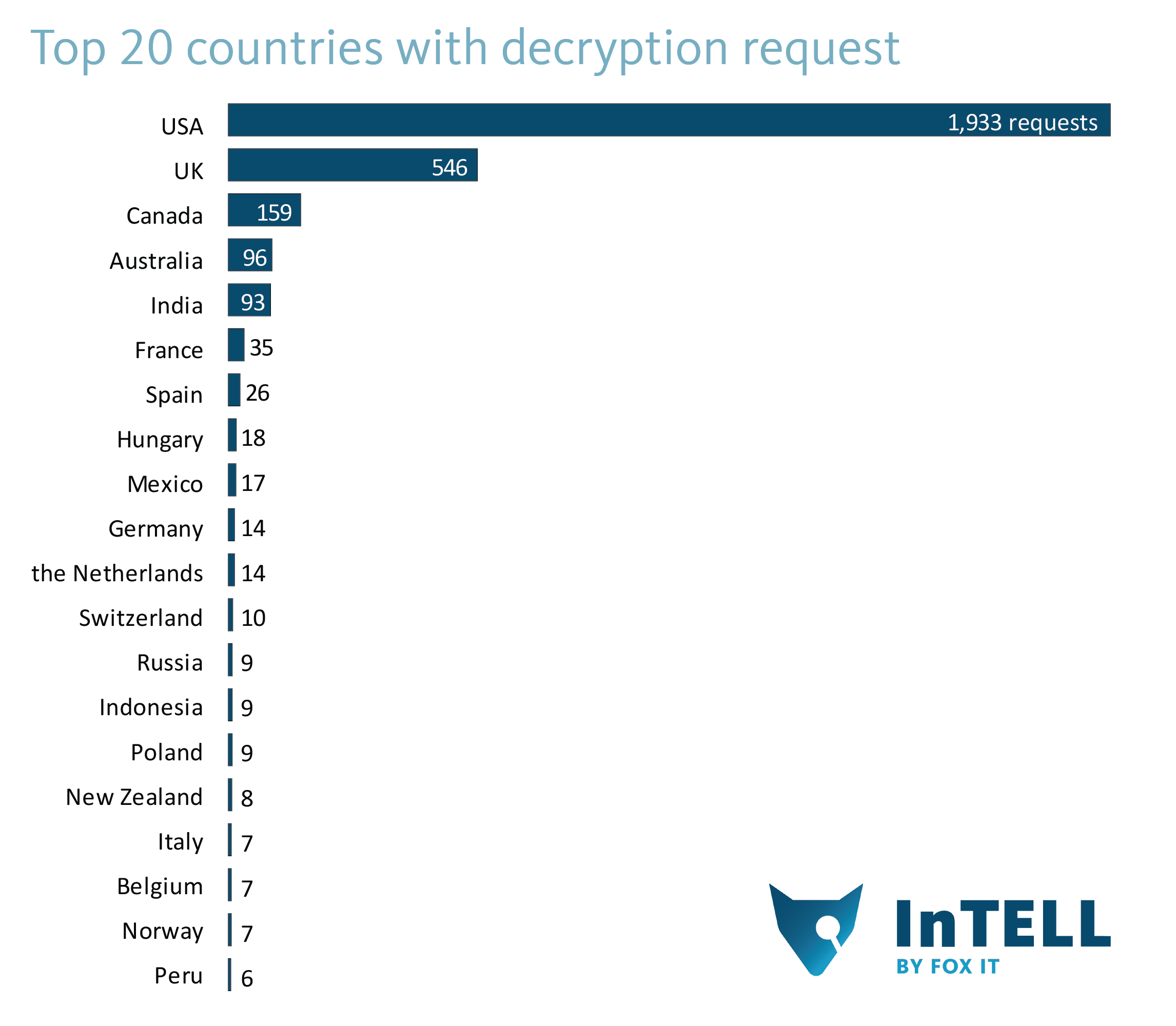

The total number of valid decryption requests is 2900. An interesting fact is that in the UK, relatively more victims have requested their keys than in the US – more than in all other large countries to be precise. Only some very small countries with a handful of infections showed greater ratios, which can be attributed to too low statistical sample sizes.
The type of files that were offered for private key matching show some interesting things too.
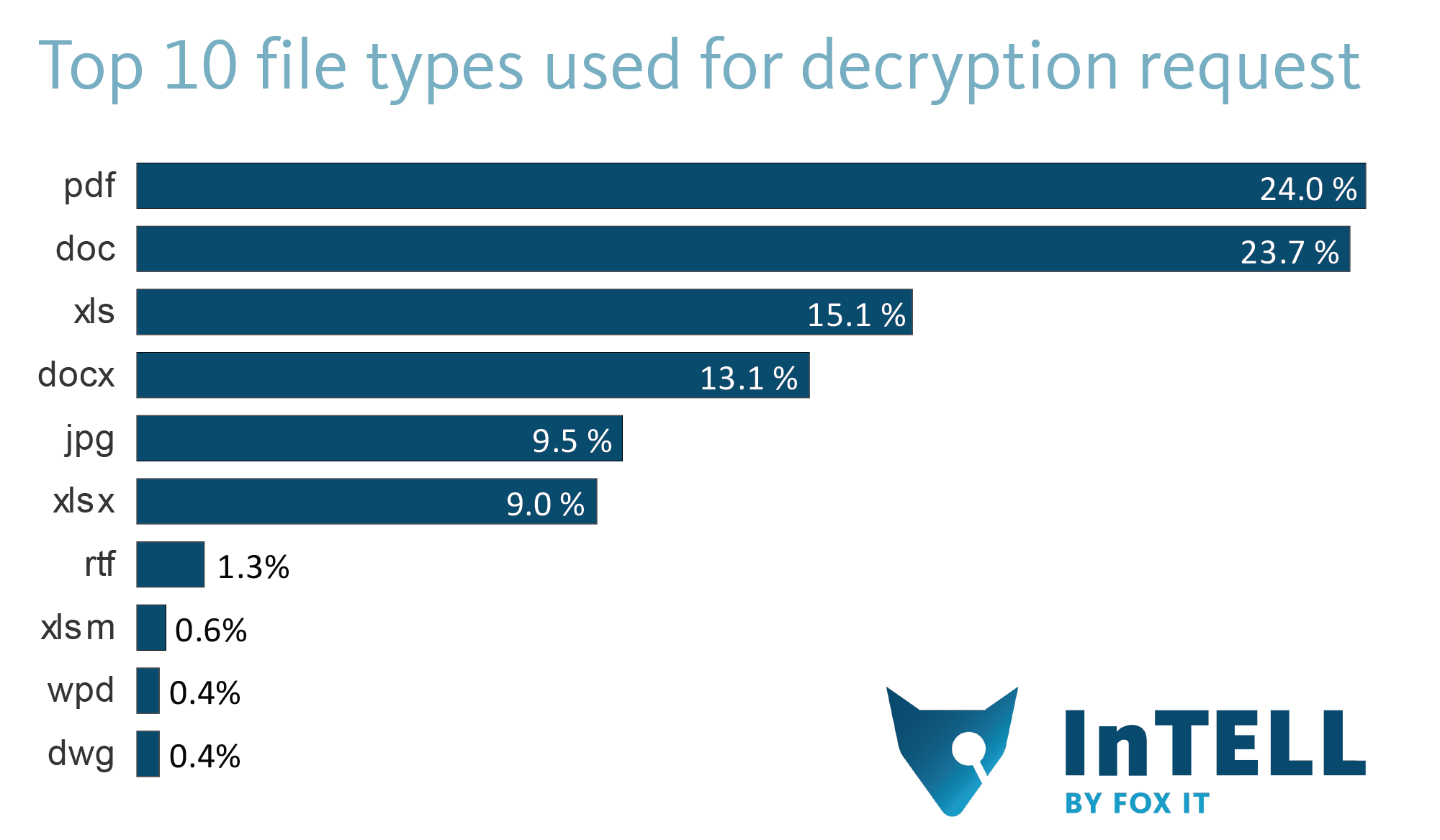
Although this is not necessarily a representation of the actual files being encrypted with malware, one can imagine that a .dwg file (a CAD file) might represent a lot of value to the victim, in terms of specialist hours spent on working on the file.
Full Article


