

Privitize VPN is a virtual private network program, which comes bundled with additonal free software (MagniPic and Searchou), and once installed it will set your home page to google.com/webph and change your browser default search engine to search.privitize.com.
![[Image: Privitize VPN virus]](http://malwaretips.com/blogs/wp-content/uploads/2013/04/Privitize-VPN-home-page-virus.jpg "Privitize VPN homepage redirect")
Privitize VPN is promoted via other free downloads, and has bundled into its installer MagniPic and SearchTab programs.
When you install Privitize VPN, you will also agree to change your default browser home page to google.com/webph and default search engine to searchou.com.
![[Image: Search Privitize redirect virus]](http://malwaretips.com/blogs/wp-content/uploads/2013/04/search-privitize-redirect.jpg "Search Privitize redirect")
However, when you uninstall Privitize VPN from your computer, your web browser’s default settings will not be restored. This means that you’ll have to remove Privitize and MagnicPic extensions from your favorite web browser manually.
You should always pay attention when installing software because often, a software installer includes optional installs, such as this Privitize VPN.Be very careful what you agree to install.
![[Image: Privitize VPN installation]](http://malwaretips.com/blogs/wp-content/uploads/2013/04/Privitize-VPN-installer.jpg "Privitize VPN installation")
Always opt for the custom installation and deselect anything that is not familiar, especially optional software that you never wanted to download and install in the first place. It goes without saying that you should not install software that you don’t trust.
Privitize VPN- Virus Removal Instructions
STEP 1 : Uninstall Privitize VPN from your computer
Privitize VPN has installed three programs (Privitize VPN, MagniPic, and toolbar for IE and Chrome) from Industriya) which you’ll need to uninstall.
- To uninstall Privitize VPN program from your computer, click the Start button, then select Control Panel, and click on Uninstall a program.
If you are a Windows 8 user, you can right-click on a bottom left hot corner (formerly known as the Start button) and select Control panel from there, then select Uninstall a program.
![[Image: Uninstall a program]](data:image/svg+xml,%3Csvg%20xmlns='http://www.w3.org/2000/svg'%20viewBox='0%200%20557%20298'%3E%3C/svg%3E "Click on Uninstall a program")
- Seach and uninstall Privitize VPN,MagniPic and toolbar on IE and Chrome programs from your computer.
![[Image: Uninstall Privitize VPN]](data:image/svg+xml,%3Csvg%20xmlns='http://www.w3.org/2000/svg'%20viewBox='0%200%201070%20271'%3E%3C/svg%3E "Uninstall Privitize VPN, MagniPic, and toolbar on IE and Chrome")
![[Image: Uninstall a program]](http://malwaretips.com/blogs/wp-content/uploads/2013/03/uninstall-a-program-windows.jpg "Click on Uninstall a program")
![[Image: Uninstall Privitize VPN]](http://malwaretips.com/blogs/wp-content/uploads/2013/04/Privitize-VPN-uninstall.jpg "Uninstall Privitize VPN, MagniPic, and toolbar on IE and Chrome")
Please note that on some computers these programs might have a different name, search for any program developed by Industriya and uninstall it from your computer.
Because Privitize VPN is installed with other additional programs, we recommend that you search and uninstall any other unwanted or unknown programs from your computer.
STEP 2 : Remove the Privitize VPN residual damage from your browser
Privitize VPN has installed two browser extensions (Privitize.com and MagniPic), has changed your homepage to google.com/webph, and set your default search engine to www.searchou.com,
Remove Privitize Search from Internet Explorer
- Remove Privitize Search extensions from Internet Explorer.
Open Internet Explorer,then click on the gear icon![[Image: Internet Explorer gear icon]](data:image/svg+xml,%3Csvg%20xmlns='http://www.w3.org/2000/svg'%20viewBox='0%200%2016%2016'%3E%3C/svg%3E "Internet Explorer gear icon") (Tools for Windows XP users) at the top (far right) and then select Manage add-ons.
(Tools for Windows XP users) at the top (far right) and then select Manage add-ons.
![[Image: Manage Add-ons in Internet Explorer]](data:image/svg+xml,%3Csvg%20xmlns='http://www.w3.org/2000/svg'%20viewBox='0%200%20435%20305'%3E%3C/svg%3E "Select Manage Add-ons in Internet Explorer")
From the Toolbars and Extensions tab, select Privitize helper Object, MagniPic and Privitize extensions, and click on Disable.
![[Image: Privitize VPN Internet Explorer extensions ]](data:image/svg+xml,%3Csvg%20xmlns='http://www.w3.org/2000/svg'%20viewBox='0%200%201000%20358'%3E%3C/svg%3E "Privitize VPN Internet Explorer extensions")
NOTE: Privitize VPN may have added additional add-ons which you will need to remove. We recommend that you remove any unwanted or unknown add-ons from Internet Explorer. - Set Internet Explorer default search engine from Privitize Search to Bing.
To change your default search engine, click on the gear icon , select Manage Add-ons, and then, under Add-on Types, click Search Providers.
Select Bing and on click the Set Default button.
![[Image: Privitize Search redirect virus]](data:image/svg+xml,%3Csvg%20xmlns='http://www.w3.org/2000/svg'%20viewBox='0%200%201000%20389'%3E%3C/svg%3E "Select Bing and click on Set as Default")
To remove Web Search from Internet Explorer, select Privitize VPN and click on Remove.
![[Image: Privitize Search redirect removal]](data:image/svg+xml,%3Csvg%20xmlns='http://www.w3.org/2000/svg'%20viewBox='0%200%201000%20402'%3E%3C/svg%3E "Privitize")
- Change your Internet Explorer home page from google.com/webph to its default
To change your home page, click on the gear icon , select Internet Explore options, and in the General tab,under the Home page section, click on Use default to restore Internet Explorer default home page.
![[Image: Set Internet Explorer to its default homepage]](data:image/svg+xml,%3Csvg%20xmlns='http://www.w3.org/2000/svg'%20viewBox='0%200%20423%20213'%3E%3C/svg%3E "Set Internet Explorer to its default homepage")
![[Image: Internet Explorer gear icon]](http://malwaretips.com/blogs/wp-content/uploads/2013/01/icongear.jpg "Internet Explorer gear icon") (Tools for Windows XP users) at the top (far right) and then select Manage add-ons.
(Tools for Windows XP users) at the top (far right) and then select Manage add-ons.![[Image: Manage Add-ons in Internet Explorer]](http://malwaretips.com/blogs/wp-content/uploads/2013/03/Internet-Explorer-Manage-Add-ons.jpg "Select Manage Add-ons in Internet Explorer")
![[Image: Privitize VPN Internet Explorer extensions ]](http://malwaretips.com/blogs/wp-content/uploads/2013/04/Privitize-VPN-Internet-Explorer-extensions.jpg "Privitize VPN Internet Explorer extensions")
![[Image: Privitize Search redirect virus]](http://malwaretips.com/blogs/wp-content/uploads/2013/04/Privitize-VPN-Internet-Explorer-redirect.jpg "Select Bing and click on Set as Default")
![[Image: Privitize Search redirect removal]](http://malwaretips.com/blogs/wp-content/uploads/2013/04/Privitize-VPN-search-Internet-Explorer-redirect-removal.jpg "Privitize")
![[Image: Set Internet Explorer to its default homepage]](http://malwaretips.com/blogs/wp-content/uploads/2013/01/default-home-page-internet-explorer.jpg "Set Internet Explorer to its default homepage")
Remove Privitize Search from Mozilla Firefox
- Remove Privitize Search extensions from Firefox.
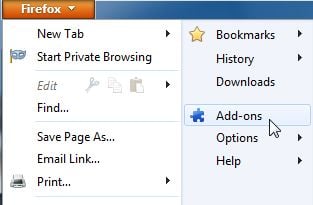
At the top of the Firefox window, click the orange Firefox button, then select Add-ons.

Select the Extensions tab, then remove Privitize.com and MagniPic extension from Mozilla Firefox.
![[Image: Privitize VPN Firefox extension]](data:image/svg+xml,%3Csvg%20xmlns='http://www.w3.org/2000/svg'%20viewBox='0%200%20900%20301'%3E%3C/svg%3E "Privitize VPN Firefox extension")
NOTE: Privitize VPN may have added additional extensions which you will need to remove. We recommend that you remove any unwanted or unknown extensions from Mozilla Firefox. - Reset your default search engine and home page from search.privitize.com to their default.
To reset your search engine and homepage to their default, we will use the SearchReset extension.This add-on is very simple: on installation, it backs up and then resets your search preferences and home page to their default values, and then uninstalls itself. This affects the search bar, URL bar searches, and the home page.
You can download SearchReset from the below link, and then we will just need to install it to revert Firefox to its default settings.
SEARCHRESET DOWNLOAD LINK (This link will open another web page from where you can download the SearchReset Firefox extension)
![[Image: SearchReset extension]](data:image/svg+xml,%3Csvg%20xmlns='http://www.w3.org/2000/svg'%20viewBox='0%200%20759%20538'%3E%3C/svg%3E "Install SearchReset extension to restore Firefox to its default settings")
![[Image: Privitize VPN Firefox extension]](http://malwaretips.com/blogs/wp-content/uploads/2013/04/Privitize-VPN-Firefox-extensions.jpg "Privitize VPN Firefox extension")
![[Image: SearchReset extension]](http://malwaretips.com/blogs/wp-content/uploads/2013/03/searchreset-firefox-extension.jpg "Install SearchReset extension to restore Firefox to its default settings")
Remove Privitize Search from Google Chrome
- Remove Privitize Search extensions from Google Chrome.
- Click the Chrome menu
 button on the browser toolbar, select Tools and then click on Extensions.

In the Extensions tab, remove (by clicking on the Recycle Bin) the Privitize.com and MagniPic extensions from Google Chrome.
![[Image: Privitize VPN Chrome extension]](data:image/svg+xml,%3Csvg%20xmlns='http://www.w3.org/2000/svg'%20viewBox='0%200%20985%20278'%3E%3C/svg%3E "Privitize VPN Chrome extension")
NOTE: Privitize VPN may have added additional extensions which you will need to remove. We recommend that you remove any unwanted or unknown extensions from Google Chrome. - Set Google Chrome default search engine from Privitize Search to Google.
Click the Chrome menu button, then select Settings and click on Manage search engines in the Search section.
In the Search Engines dialog that appears, select Google and click the Make Default button that appears in the row.
![[Image: Privitize Search Chrome redirect virus]](data:image/svg+xml,%3Csvg%20xmlns='http://www.w3.org/2000/svg'%20viewBox='0%200%20923%20306'%3E%3C/svg%3E "Select Google and click on Make Default")
Search for Search The Web (Privitize) in the Search Engines list, and click the X button that appears at the end of the row.
![[Image: Privitize Search Chrome redirect removal]](data:image/svg+xml,%3Csvg%20xmlns='http://www.w3.org/2000/svg'%20viewBox='0%200%20922%20298'%3E%3C/svg%3E "Select Search The Web (Privitize) and click on X")
- Change Google Chrome homepage from google.com/webph to its default.
Privitize VPN has modified your Google settings to open their webpage whenever you start your browser, so we will need to revert this change.
Click the Chrome menu button, then select Settings and click on One the New Tab page in the On Startup section.
![[Image: Change Google Chrome homepage to its default]](data:image/svg+xml,%3Csvg%20xmlns='http://www.w3.org/2000/svg'%20viewBox='0%200%20424%20256'%3E%3C/svg%3E "Change Google Chrome homepage to its default")
 button on the browser toolbar, select Tools and then click on Extensions.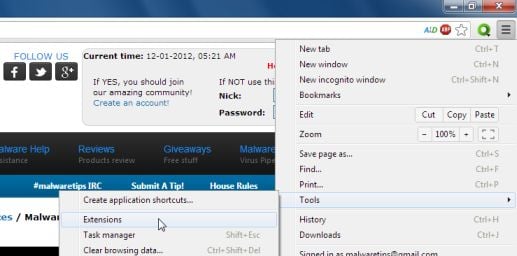
![[Image: Privitize VPN Chrome extension]](http://malwaretips.com/blogs/wp-content/uploads/2013/04/Privitize-VPN-Chrome-extensions.jpg "Privitize VPN Chrome extension")
![[Image: Privitize Search Chrome redirect virus]](http://malwaretips.com/blogs/wp-content/uploads/2013/04/Privitize-VPN-search-redirect.jpg "Select Google and click on Make Default")
![[Image: Privitize Search Chrome redirect removal]](http://malwaretips.com/blogs/wp-content/uploads/2013/04/Privitize-VPN-search-redirect-removal.jpg "Select Search The Web (Privitize) and click on X")
![[Image: Change Google Chrome homepage to its default]](http://malwaretips.com/blogs/wp-content/uploads/2013/01/on-startup-Chrome-default.jpg "Change Google Chrome homepage to its default")
STEP 3: Remove Privitize VPN registry keys with AdwCleaner.
- You can download AdwCleaner from the below link.
ADWCLEANER DOWNLOAD LINK (This link will automatically download AdwCleaner on your computer) - Before starting this utility, close all open programs and internet browsers.
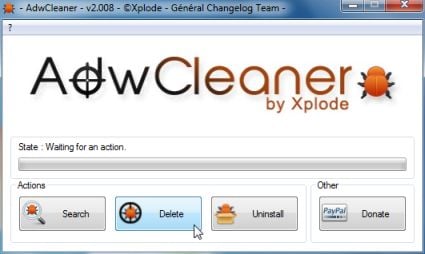
- Double click on adwcleaner.exe to run the tool.
- Click on Delete, then confirm each time with Ok.

- Your computer will be rebooted automatically. A text file will open after the restart.
- NEXT, double click on adwcleaner.exe to run the tool.
- Click on Uninstall, then confirm with yes to remove this utility from your computer.
STEP 4: Run a computer scan with Malwarebytes Anti-Malware
- You can download Malwarebytes Anti-Malware Free from the below link, then double click on it to install this program.
MALWAREBYTES ANTI-MALWARE DOWNLOAD LINK (This link will open a download page in a new window from where you can download Malwarebytes Anti-Malware Free) - When the installation begins, keep following the prompts in order to continue with the setup process. DO NOT make any changes to default settings and when the program has finished installing, make sure you leave both the Update Malwarebytes’ Anti-Malware and Launch Malwarebytes’ Anti-Malware checked, then click on the Finish button.
![[Image: Malwarebytes Anti-Malware final installation screen]](data:image/svg+xml,%3Csvg%20xmlns='http://www.w3.org/2000/svg'%20viewBox='0%200%20402%20310'%3E%3C/svg%3E "Malwarebytes Anti-Malware final installation screen")
- On the Scanner tab, select Perform quick scan and then click on the Scan button to start scanning your computer.
![[Image: Malwarebytes Anti-Malware Quick Scan]](data:image/svg+xml,%3Csvg%20xmlns='http://www.w3.org/2000/svg'%20viewBox='0%200%20521%20397'%3E%3C/svg%3E "Run a Quick Scan with Malwarebytes Anti-Malware")
- Malwarebytes’ Anti-Malware will now start scanning your computer as shown below.
- When the Malwarebytes scan will be completed, click on Show Result.
- You will now be presented with a screen showing you the malware infections that Malwarebytes’ Anti-Malware has detected.Please note that the infections found may be different than what is shown in the image. Make sure that everything is Checked (ticked) and click on the Remove Selected button.
![[Image: Malwarebytes Anti-Malware final installation screen]](http://malwaretips.com/blogs/wp-content/uploads/2013/01/malwarebytes-installation.jpg "Malwarebytes Anti-Malware final installation screen")
![[Image: Malwarebytes Anti-Malware Quick Scan]](http://malwaretips.com/blogs/wp-content/uploads/2013/01/malwarebytes-quick-scan.jpg "Run a Quick Scan with Malwarebytes Anti-Malware")
![[Image: Malwarebytes Anti-Malware scanning for Privitize VPN virus]](http://malwaretips.com/blogs/wp-content/uploads/2013/01/malwarebytes-scan.jpg "Malwarebytes Anti-Malware scanning for Privitize VPN")
![[Image: Malwarebytes Anti-Malware scan results]](http://malwaretips.com/blogs/wp-content/uploads/2013/01/malwarebytes-scan-results.jpg "Malwarebytes when the system scan has completed")
![[Image:Malwarebytes removing malware]](http://malwaretips.com/blogs/wp-content/uploads/2013/01/malwarebytes-virus-removal.jpg "Click on Remove Selected to get rid of Privitize VPN virus")
STEP 5: Run a computer scan with HitmanPro
- Download HitmanPro from the below link, then double click on it to start this program.
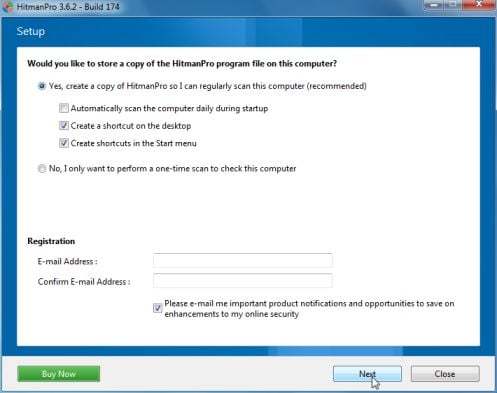
HITMANPRO DOWNLOAD LINK (This link will open a new web page from where you can download HitmanPro) - HitmanPro will start and you’ll need to follow the prompts (by clicking on the Next button) to start a system scan with this program.

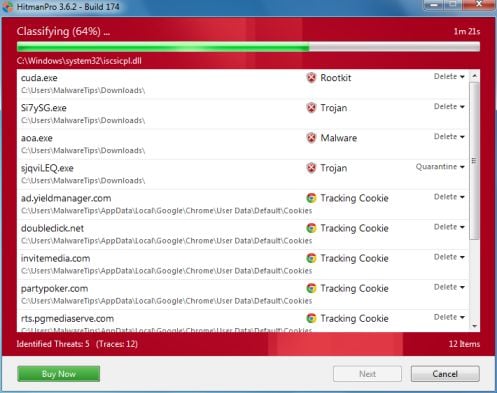
- HitmanPro will start scanning your computer for malware, as seen in the image below.
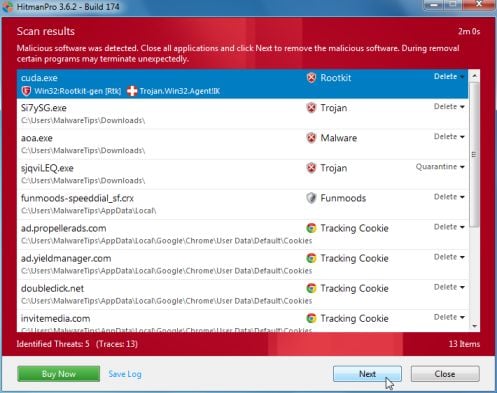
- Once the scan is complete,you’ll see a screen which will display all the infected files that this utility has detected, and you’ll need to click on Next to remove these malicious files.
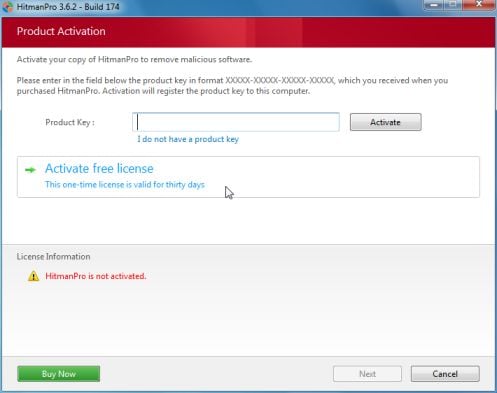
- Click Activate free license to start the free 30 days trial and remove all the malicious files from your computer.









This is a good guide. Thank your for sharing this to everyone! Very good reference!
Bravo!
It worked!! Thx a lot!
You are a lifesaver! Thank you! :)