

When it comes to using a webcam on your Toshiba laptop, the TOSHIBA Web Camera Application is a commonly pre-installed software that allows you to access and utilize your webcam’s features. However, many users often wonder whether they should keep this application or remove it from their system. In this article, we will delve into the details of the TOSHIBA Web Camera Application, its functionalities, potential drawbacks, and provide insights to help you make an informed decision.
Understanding the TOSHIBA Web Camera Application
The TOSHIBA Web Camera Application is a software program developed by Toshiba Corporation specifically for their laptops. It is designed to provide users with a user-friendly interface to access and control the built-in webcam on their Toshiba laptops. The application offers various features and settings that allow users to capture photos, record videos, adjust camera settings, and apply filters or effects to enhance their webcam experience.
With the TOSHIBA Web Camera Application, users can easily switch between the front and rear cameras (if available), adjust brightness, contrast, and saturation levels, and even enable face tracking for video calls or conferences. The application also supports video recording in different resolutions and formats, making it a versatile tool for various webcam-related tasks.
Should You Remove the TOSHIBA Web Camera Application?
While the TOSHIBA Web Camera Application offers a range of features and functionalities, there are a few factors to consider when deciding whether to keep or remove it from your system.
1. Compatibility and Updates
One important aspect to consider is the compatibility of the TOSHIBA Web Camera Application with your operating system. If you are using an older version of Windows or have upgraded to a newer version, there is a possibility that the application may not work properly or may not receive regular updates from Toshiba. In such cases, it might be worth considering alternative webcam software that is compatible with your system.
2. Performance and Resource Usage
Another factor to consider is the impact of the TOSHIBA Web Camera Application on your system’s performance and resource usage. Some users have reported that the application consumes a significant amount of system resources, leading to slower performance or even system freezes. If you notice any performance issues or experience resource-related problems, removing the application might be a viable solution.
3. Privacy and Security Concerns
Privacy and security are crucial considerations when it comes to webcam applications. While the TOSHIBA Web Camera Application itself is not known to have any major security vulnerabilities, it is always recommended to keep your software up to date to mitigate potential risks. Additionally, if you are concerned about privacy and want to ensure that your webcam is not being accessed without your knowledge, removing the application might provide peace of mind.
Alternatives to the TOSHIBA Web Camera Application
If you decide to remove the TOSHIBA Web Camera Application, there are several alternative webcam software options available that offer similar or even enhanced features. Here are a few popular alternatives:
- Windows Camera: This is a built-in camera application available in Windows 10 that provides basic webcam functionalities.
- ManyCam: ManyCam is a versatile webcam software that offers a wide range of features, including virtual backgrounds, video effects, and live streaming capabilities.
- Logitech Capture: If you own a Logitech webcam, Logitech Capture is a dedicated software that allows you to control and customize your Logitech webcam settings.
Before installing any alternative webcam software, it is recommended to uninstall the TOSHIBA Web Camera Application properly to avoid any conflicts or compatibility issues.
Removing the TOSHIBA Web Camera Application
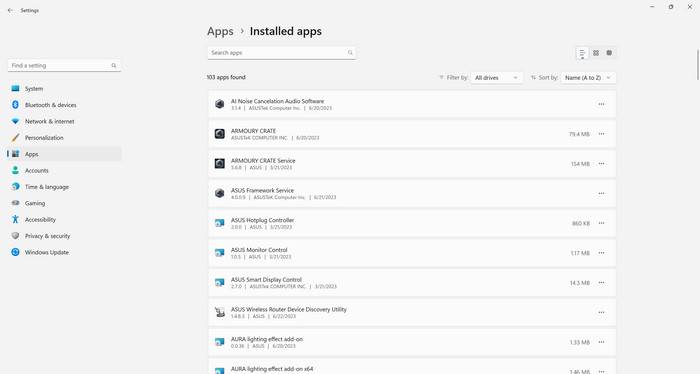
If you have decided to remove the TOSHIBA Web Camera Application from your system, it is essential to follow the correct uninstallation process to ensure a clean removal. Here’s how you can uninstall the application:
- Open the Control Panel on your Windows laptop.
- Select “Programs” or “Programs and Features.”
- Locate the TOSHIBA Web Camera Application in the list of installed programs.
- Right-click on the application and select “Uninstall” or “Remove.”
- Follow the on-screen instructions to complete the uninstallation process.
After uninstalling the application, it is recommended to restart your laptop to ensure that all associated files and settings are properly removed.
If you encounter any difficulties during the uninstallation process or face any issues after removing the application, it is advisable to seek assistance from Toshiba’s official support channels or consult with a technical expert.
Conclusion
The TOSHIBA Web Camera Application provides users with a convenient way to access and control their webcam’s features. However, factors such as compatibility, performance impact, and privacy concerns may influence your decision to remove the application. If you choose to uninstall the TOSHIBA Web Camera Application, there are alternative webcam software options available that can fulfill your webcam needs. Remember to follow the proper uninstallation process and seek assistance if needed. Ultimately, the decision to keep or remove the TOSHIBA Web Camera Application depends on your specific requirements and preferences.








