

When it comes to multimedia playback on Windows, Windows Media Player has been a popular choice for many users. It offers a range of features and functionalities to enhance the audio and video playback experience. One such feature is the TOSHIBA Resolution+ Plug-in, which aims to improve the visual quality of videos played through Windows Media Player. In this article, we will explore what the TOSHIBA Resolution+ Plug-in is, how it works, and whether you should consider removing it from your system.
What is the TOSHIBA Resolution+ Plug-in?
The TOSHIBA Resolution+ Plug-in is a software component developed by TOSHIBA Corporation specifically for Windows Media Player. It is designed to enhance the visual quality of videos played through the media player by applying advanced algorithms to improve sharpness, color, and contrast.
The plug-in works by analyzing the video content in real-time and applying various image processing techniques to enhance the overall visual experience. It aims to make videos appear clearer, more vibrant, and closer to the original intended quality.
How Does the TOSHIBA Resolution+ Plug-in Work?
The TOSHIBA Resolution+ Plug-in utilizes a combination of image processing techniques to enhance the visual quality of videos. These techniques include:
- Edge enhancement: The plug-in identifies edges in the video frames and enhances their sharpness, resulting in a crisper image.
- Color correction: It adjusts the color balance and saturation to make the colors appear more accurate and vibrant.
- Noise reduction: The plug-in reduces the amount of noise present in the video, resulting in a cleaner and smoother image.
- Contrast enhancement: It adjusts the contrast levels to improve the overall dynamic range of the video.
By applying these techniques, the TOSHIBA Resolution+ Plug-in aims to provide a better visual experience for users watching videos through Windows Media Player.
Should I Remove the TOSHIBA Resolution+ Plug-in?
Whether or not you should remove the TOSHIBA Resolution+ Plug-in depends on your personal preferences and requirements. Here are a few factors to consider:
1. Visual Quality:
If you are satisfied with the visual quality of videos played through Windows Media Player without the plug-in, you may not need to keep it installed. However, if you find that videos appear dull or lack sharpness, the plug-in may be worth keeping to enhance the visual experience.
2. System Performance:
The TOSHIBA Resolution+ Plug-in utilizes system resources to process videos in real-time. If you have a lower-end system or frequently experience performance issues while playing videos, removing the plug-in may help improve overall system performance.
3. Compatibility:
It is important to consider the compatibility of the plug-in with your system and other software. If you encounter any compatibility issues or conflicts with other multimedia software, removing the plug-in may be necessary to ensure smooth operation.
4. Alternative Solutions:
If you decide to remove the TOSHIBA Resolution+ Plug-in, there are alternative solutions available to enhance the visual quality of videos. For example, you can explore third-party video players that offer built-in video enhancement features or use standalone video enhancement software.
How to Remove the TOSHIBA Resolution+ Plug-in?
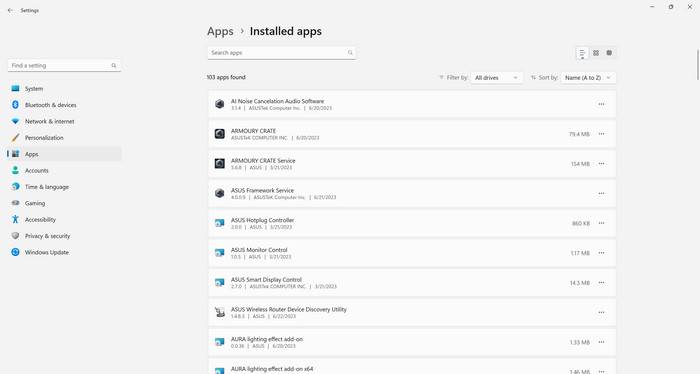
If you have decided to remove the TOSHIBA Resolution+ Plug-in from your system, here are the steps to do so:
- Open the Control Panel on your Windows system.
- Select “Programs” or “Programs and Features.”
- Locate the TOSHIBA Resolution+ Plug-in in the list of installed programs.
- Click on the plug-in and select “Uninstall” or “Remove.”
- Follow the on-screen instructions to complete the uninstallation process.
After the plug-in is successfully uninstalled, you may need to restart your system for the changes to take effect.
Note: Before uninstalling any software, it is recommended to scan your system for malware using a reliable antivirus or anti-malware program. Malwarebytes Free is a popular choice for scanning and removing malware. You can download it from here.
Conclusion
The TOSHIBA Resolution+ Plug-in for Windows Media Player offers a way to enhance the visual quality of videos played through the media player. Whether you should remove it or not depends on your personal preferences, system performance, and compatibility with other software. If you are satisfied with the visual quality and experience no performance or compatibility issues, you may choose to keep the plug-in. However, if you prefer alternative solutions or encounter any drawbacks, removing the plug-in is a viable option. Remember to scan your system for malware before uninstalling any software to ensure a safe and secure computing environment.








