

A text from a +63 number says a package is waiting, a toll or parking charge is overdue, or a recruiter has a simple online job. Another message may open with nothing more than “How are you?” and try to move the conversation to WhatsApp or Telegram.
+63 is the legitimate international country code for the Philippines, so the prefix alone does not make a caller fraudulent. However, the unsolicited delivery, government-payment, task-job, romance and investment messages described here are scam campaigns. If you have no genuine reason to receive contact from the Philippines, do not reply, click or call back.
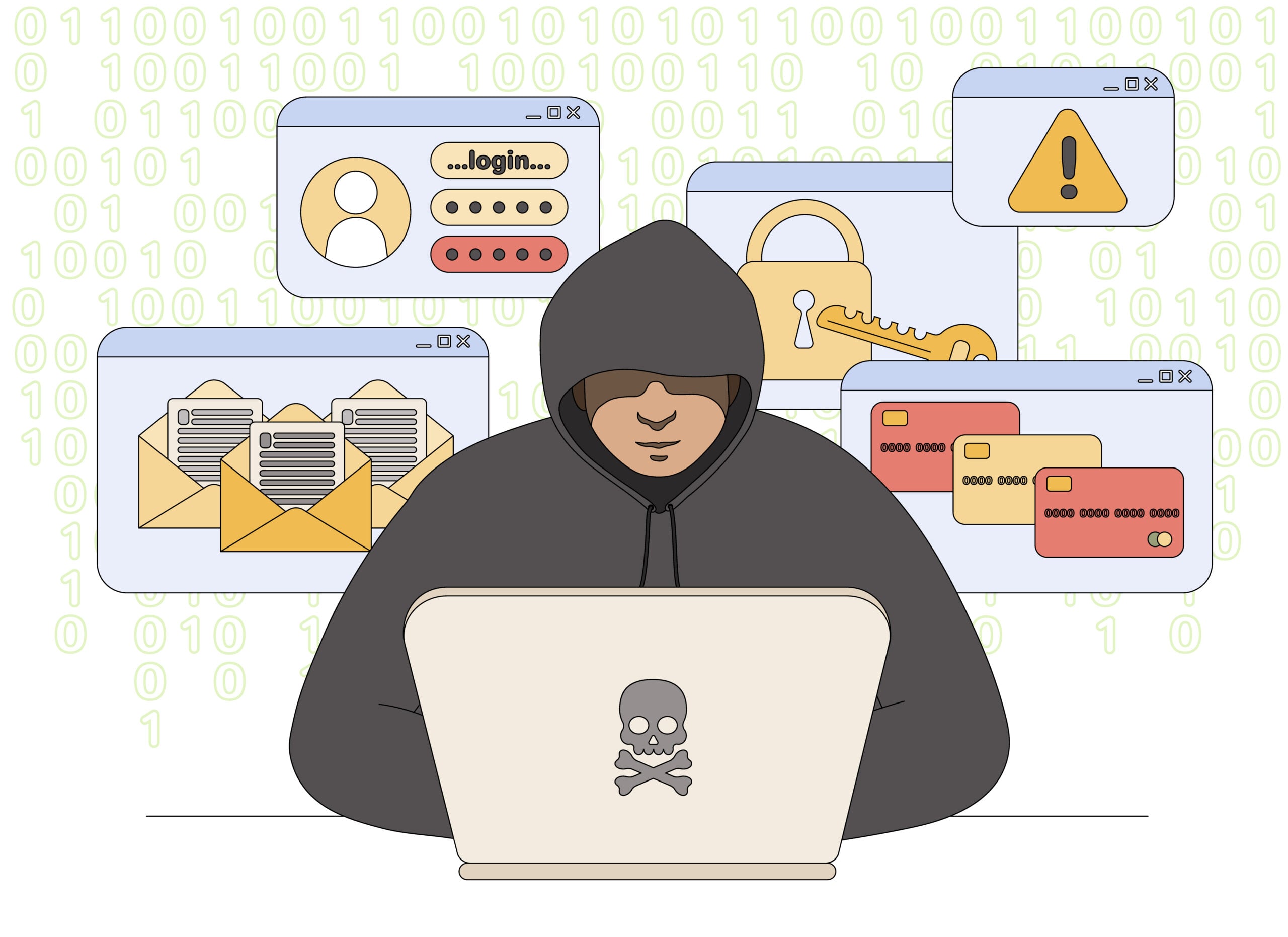
+63 Country Code Scam Overview
The foreign number carries a familiar local story
The message often claims to represent a service in the recipient’s own country: a postal carrier, road-toll operator, parking authority, bank, government department or recruitment company. That mismatch matters. A local agency does not normally send a payment demand from a Philippine international number and then direct the recipient to an unrelated website.
Other versions avoid a brand and begin as a wrong-number or friendly greeting. The sender apologizes, continues talking and gradually builds a personal connection. What starts as casual conversation can become a romance, cryptocurrency or investment scam lasting days or weeks.
The objective changes with the bait
Delivery and toll messages usually want a small card payment. The page may ask for $0.30, $1.99 or another believable amount, but the real value is the card number, security code, billing address and one-time approval code. The criminal can attempt larger charges after the victim submits the form.
Fake job messages promise daily income for rating products, boosting apps or completing online tasks. A dashboard may display invented earnings, then require deposits to unlock assignments or withdrawals. Friendly chats can similarly lead to a fake trading platform where every profit figure is controlled by the scammer.
- Delivery or toll bait: a small urgent payment is needed to avoid a fee or release a parcel.
- Job bait: easy remote tasks promise high daily earnings with no real interview.
- Wrong-number bait: a stranger turns an accidental message into a persistent friendship.
- Investment bait: trust is redirected to a cryptocurrency or trading site controlled by criminals.
Do not call back to identify the sender. International charges, number verification and social engineering can begin as soon as you engage. Verify the claimed company through its official app or typed website, block the number and report the message. Genuine contacts can leave a specific, independently checkable reason for reaching you.
Warning Signs in a +63 Scam Message
The prefix and the story do not belong together
A message can display a real Philippine number and still be criminal. Numbers may be obtained through inexpensive accounts, compromised messaging profiles, SIM farms or caller-ID manipulation.
Focus on what the sender asks you to do. A local bill, unexpected job or stranger’s investment advice should never be trusted merely because the person sounds polite and knows your name.
Red Flags at a Glance
- You expect no Philippine contact. The number has no connection to your family, work, travel or active order.
- A local organization uses a foreign line. A domestic toll, parking or delivery demand arrives from +63.
- The greeting is generic. The sender asks how you are or claims to have the wrong person, then keeps talking.
- The link uses an unfamiliar domain. Brand words appear before a strange ending or in a URL-shortening service.
- A tiny payment is urgent. Card details are required to release a parcel or avoid a same-day penalty.
- The job pays too much for simple tasks. The recruiter has no verifiable posting, interview or corporate email.
- Money must unlock money. Deposits, taxes or fees are required before earnings or investment profits can be withdrawn.
What the +63 Country Code Actually Means
The number points to the Philippines, not to one caller
The +63 prefix is assigned to Philippine telephone numbers. Legitimate residents, companies and travelers use it every day. Blocking every person from a country is neither accurate nor necessary. The scam judgment comes from the unsolicited context, false identity, dangerous link and payment request.
A caller can also use internet telephone services or a compromised account without being physically located where the number suggests. Caller ID is routing information, not verified identity.
- Legitimate possibility: a known person or company contacts you about an interaction you can confirm independently.
- Bulk scam pattern: a generic message reaches someone with no connection to the Philippines.
- Impersonation pattern: the sender claims to be a local bank, authority or courier that uses different official contact routes.
- Long-con pattern: a stranger avoids the original mistake and develops a financial relationship.
A small card charge can expose a complete payment profile
Smishing pages often request more information than a real $1 fee would require. The form may collect full card data, home address, date of birth, email password or a banking verification code. Each field can support later fraud.
A one-time code does not cancel a charge. It may authorize the criminal’s transaction or wallet enrollment. Never read a code to the sender or enter it on a page reached through an unexpected text.
A friendly conversation can be the slower version of the same scam
Wrong-number senders invest time because trust can produce a larger payment than a delivery link. The stranger may share photographs, discuss business success and introduce an investment mentor or platform.
Early withdrawals or small payments may be allowed to make the system feel real. Once the victim deposits more, the platform invents taxes, verification charges or risk deposits and blocks withdrawal.
How the +63 Country Code Scam Works
Step 1: A bulk message reaches an unrelated recipient
The criminal sends thousands of texts or messaging-app requests from +63 numbers. The list may come from leaked data, scraped profiles or random number generation.
The sender does not need to know who will respond; volume finds people expecting deliveries, jobs or companionship.
Step 2: A familiar problem or friendly mistake starts engagement
One version mentions a parcel, toll, parking ticket, bank alert or remote job. Another asks for a person by name and apologizes when told the number is wrong.
Both openings create a socially natural reason to click or continue talking.
Step 3: The sender moves the victim to a controlled channel
A link opens a fake payment or login page, or the conversation moves to WhatsApp, Telegram or another private app. The scammer can then send files, dashboards and payment instructions.
Leaving the original platform also reduces moderation and makes the interaction harder for a real company to review.
Step 4: Personal and financial details are collected
The fake form requests card information and an approval code. A recruiter may ask for identity documents and bank details, while a friendly stranger learns about income, savings and family.
Each detail makes the next step more convincing and supports identity or account fraud.
Step 5: A small success builds confidence
A task scam may pay a tiny commission, and a fake investment platform may permit one small withdrawal. A romance scammer may spend weeks without asking for money.
The controlled success is an expense used to make a much larger demand believable.
Step 6: The victim is required to send increasing payments
Deposits, account recharges, emergency loans, taxes or withdrawal fees begin to appear. Every payment supposedly unlocks a larger balance or solves a temporary problem.
The displayed earnings and obstacles are fictional and can be changed whenever the victim pays.
Step 7: The number disappears and recovery scams follow
When payments stop, the account blocks the victim or the platform becomes inaccessible. Another +63 number may continue the same script under a new name.
People claiming to be investigators or recovery specialists may then demand an upfront fee to retrieve the loss.
How To Verify an Unexpected +63 Message
Leave the message and check the claim independently
Do not use the link, callback number or messaging profile supplied by the sender. Open the claimed courier, bank, toll operator or employer through a known app, typed address or verified public number.
If the message claims to involve someone you know, contact that person through an existing conversation or saved number. A genuine contact should understand why you are checking.
A Safer Verification Sequence
- Identify the country mismatch. Ask why a local organization would contact you through a Philippine number.
- Check the actual account. Look for the parcel, bill, application or transaction in the official app.
- Inspect the complete domain. Brand words inside an unrelated address do not make a page official.
- Verify the recruiter. Find the job on the company career site and contact the company directly.
- Reverse the communication. Call known contacts using a saved number rather than replying to the new profile.
- Refuse financial coaching. Do not invest through a platform recommended by an unsolicited stranger.
What To Do If You Replied, Clicked or Paid
Match the response to the information exposed
Stop communicating, block the number and preserve screenshots of the full conversation, profile, links, payment requests and transaction receipts. Do not warn the scammer about each security step you are taking.
If you entered a password, change it from the real service and change every account where it was reused. Start with the email account because password resets for other services may arrive there.
If money or card details were involved, contact the bank, card issuer, payment app or cryptocurrency exchange immediately. Ask about blocking the card, recalling a transfer, disputing a charge and preserving the receiving-account details.
Recovery Checklist
- Replace an exposed payment card and review pending and posted transactions.
- Change compromised passwords, sign out other sessions and enable two-factor authentication.
- Tell the bank if a one-time code or mobile-wallet approval was entered on the fake page.
- Freeze credit when identity documents, a Social Security number or equivalent data were shared.
- Remove unknown apps or device-management profiles and run a full security scan.
- Forward scam texts to 7726 when supported by the mobile carrier and report the account in the messaging app.
- File a fraud report with the FTC and an IC3 report when a substantial online loss occurred.
- Reject anyone who promises recovery, hacking or fund tracing in exchange for another upfront fee.
Expect the information to be reused
Replying confirms that your number is active. New messages may arrive with different stories, including bank security calls that refer to the original payment or supposed investigators who know the scammer’s name.
Monitor email, financial accounts and credit. Tell family members about a romance or investment loss if impersonators learned their names, because follow-up messages may target them as well.
Frequently Asked Questions
Which country uses the +63 code?
+63 is the international calling code for the Philippines. It is used by legitimate people and businesses as well as by scam campaigns.
Should I call a missed +63 number back?
Not when you have no expected contact or verifiable voicemail. Calling back can create charges and confirm that your number is active. Let a genuine caller provide a specific reason you can check.
Why would a local delivery company text from +63?
That mismatch is a strong scam warning. Open the courier’s real app or website and check the tracking number instead of using the message link.
Is a wrong-number message harmless?
A genuine wrong number usually ends after correction. A stranger who insists on friendship, moves to another app or introduces money and investing is following a common scam pattern.
The Bottom Line
The +63 prefix is legitimate, but an unexpected message combining it with a local bill, easy job, wrong-number friendship or investment opportunity should be treated as a scam. The sender is trying to create action before identity is verified.
Do not reply, click or call back. Verify the claim through a known channel, block the number and act quickly if passwords, card details or money were exposed.








