

A woman in a spotless kitchen introduces herself as Dr. Ania Jastreboff and says most people have been making the viral baking soda shot incorrectly. She speaks calmly, uses medical language, and promises to show the version that supposedly helped Oprah lose weight.
The person viewers see is not delivering genuine medical advice. The scene is an AI fabrication or manipulated impersonation, and the doctor’s name is being used to move people from a free recipe promise to a paid weight-loss supplement.
Overview
How the Fake Doctor Story Is Presented
The Dr. Ania Jastreboff baking soda shot scam uses unauthorized AI depictions of a real obesity-medicine specialist. The videos claim she developed a $1 drink, worked privately with Oprah, or discovered how to activate GLP-1 and GIP with baking soda and ordinary kitchen ingredients.
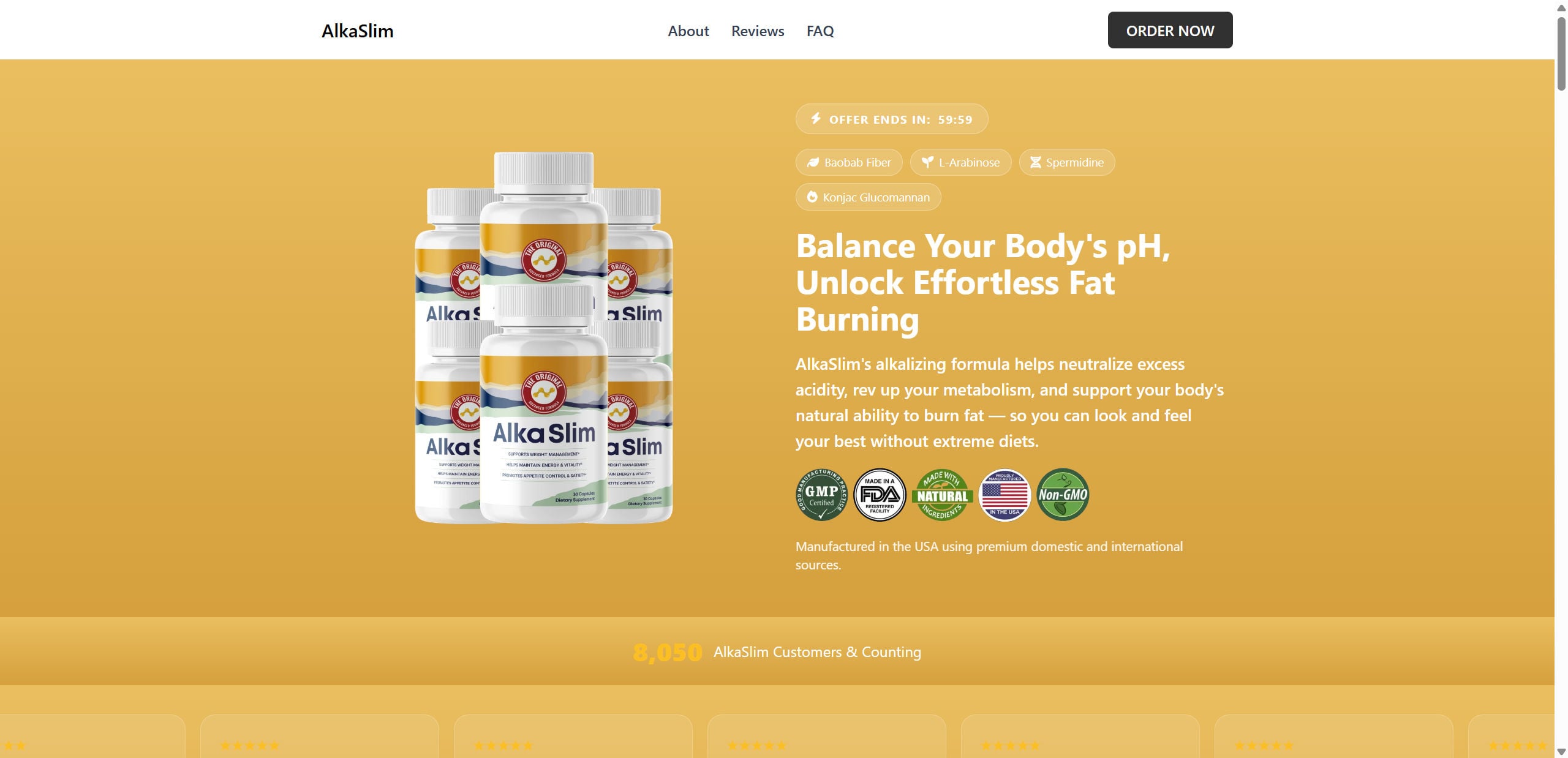
Those claims are false. Dr. Jastreboff did not create or endorse a baking soda weight-loss recipe, Alka Slim, Soda Slim, Lean Peak, Jelly Lean, or the other supplements attached to this advertising template.
Why the Impersonation Can Feel Convincing
The impersonation is particularly deceptive because many viewers may not know the doctor’s face well enough to recognize a synthetic version. The script supplies a professional title, a prestigious institution, and a confident explanation. Together, those details can feel more persuasive than a conventional celebrity endorsement.
Some ads place the fake doctor beside an AI-generated Oprah Winfrey. Others imitate a Today show interview or say a Yale physician is finally revealing why weight-loss injections fail. The clip then leads to a long video that withholds the promised recipe and ultimately sells bottles.
The Destination Product Is Not Fixed
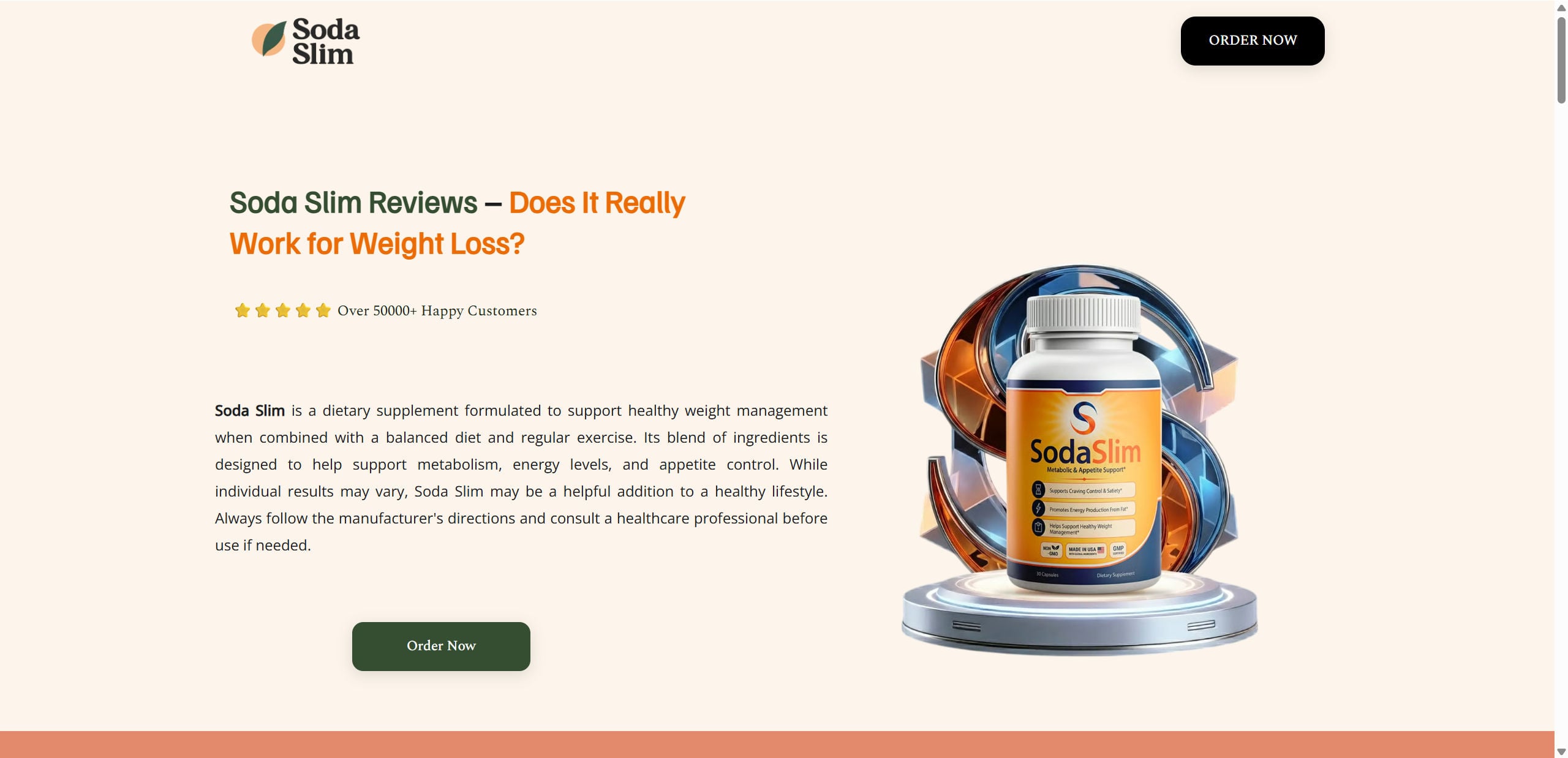
The destination is not fixed. Alka Slim and Soda Slim are current examples, while similar baking soda campaigns have promoted capsules, gummies, and drops under other names. Separating the story from the label is essential: scammers and aggressive affiliates can keep the same medical impersonation while redirecting buyers to a new offer.
For the celebrity side of this campaign, see our separate warning about the Oprah baking soda shot scam. MalwareTips also examined the general baking soda water shot funnel and the individual Alka Slim and Soda Slim offers.
Why the Fake Doctor Video Can Look Convincing
AI video no longer requires a clumsy face pasted onto an existing clip. A scammer can generate a new kitchen, body, voice, gestures, and camera movement from a text description. The result may never have involved the real person at any stage.
The script helps cover visual weaknesses. Viewers concentrate on phrases such as “Yale-trained obesity specialist,” “women over 40,” and “natural GLP-1,” rather than studying the hands, labels, teeth, and background for inconsistencies.
In some versions, the Arm & Hammer package or kitchen text contains misspelled or unreadable letters. Skin may appear unusually smooth, eye focus may drift, and the doctor’s voice may have an even cadence that lacks natural breaths. These are useful clues, but their absence does not prove a video is real.
The decisive check is provenance. Can the full video be found on the doctor’s verified institutional profile, official social account, or a real broadcaster’s domain? If not, a sponsored clip on an unfamiliar website should not be treated as medical advice.

How the Dr. Ania Jastreboff Baking Soda Shot Scam Works
The Entire Sales Funnel at a Glance
- A social media ad uses an AI Dr. Jastreboff. The fake doctor warns that other baking soda recipes are wrong and promises the version supposedly given to Oprah.
- The ad sends viewers to a counterfeit advertorial. The page resembles Today, CBS, CNN, or another trusted outlet but is hosted on an unrelated sales domain.
- The video ends at a supplement landing page. The free recipe disappears, and Alka Slim, Soda Slim, Jelly Lean, or another rotating product is offered instead.
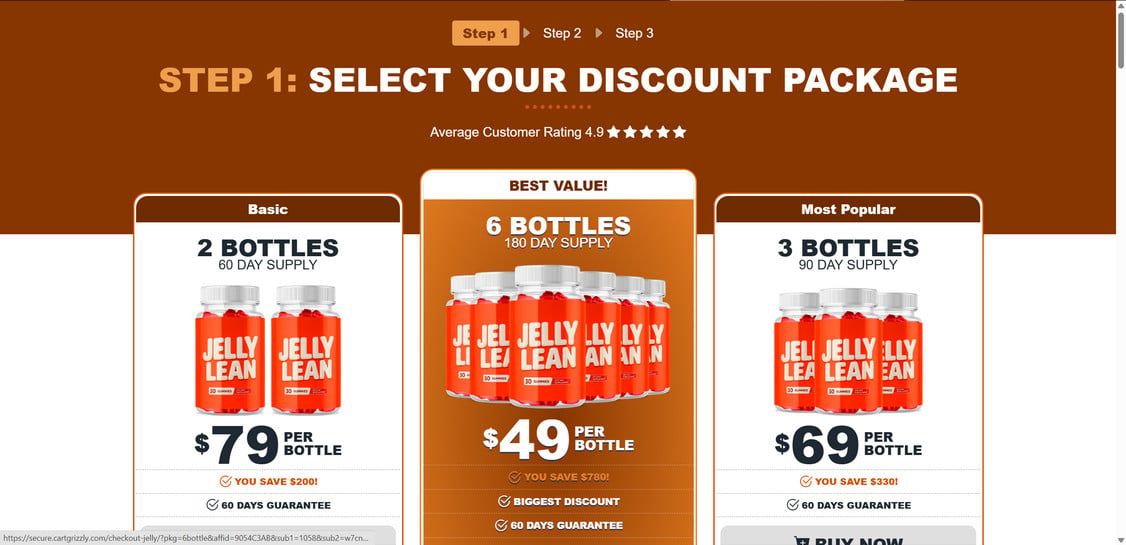
- The shopper thinks one bottle is being ordered. A per-bottle price, confusing package cards, or a preselected option can obscure the real quantity.
- A six-bottle shipment and full bundle charge can follow. The customer discovers the misunderstanding only in the confirmation email, card statement, or oversized delivery.
- Refills are difficult to stop. Continuity terms may authorize later shipments, while support delays, return conditions, and refund disputes make cancellation exhausting.
Not every version reaches the same merchant, so readers should not assume identical terms. They should verify the four details that matter most: bottle count, total charged today, recurring-shipment status, and a workable cancellation process.
Step 1: The Ad Names a Real Specialist
The campaign selects a real doctor whose work is relevant to obesity and metabolism. That connection gives search results a surface layer of truth: users can confirm the person exists and has legitimate expertise.
What they cannot confirm is the advertised recipe. Scammers depend on people confusing a real professional biography with a fabricated endorsement.
Step 2: AI Creates a New Interview or Kitchen Demonstration
The fake Dr. Jastreboff may appear to measure baking soda, correct viral misinformation, or describe what she gave Oprah. None of this footage needs to come from an actual event.
Generated captions repeat the doctor’s name so viewers remember the credential even if they watch silently.
Step 3: Oprah Is Presented as the Proof
The script claims Oprah lost 43, 56, or another dramatic number of pounds in a few weeks. A second synthetic clip may show her confirming the story and warning that copycat recipes are making people sick.
Two recognizable identities make the fiction seem mutually verified: the doctor explains the method, and the celebrity supposedly demonstrates the result.
Step 4: The Page Imitates a Trusted Program
Sponsored posts often open an advertorial designed like Today, CBS, or another broadcaster. The headline says a Yale doctor revealed the recipe during an interview, while an embedded video occupies the center of the page.
The domain, inactive menu, and order-focused links expose the imitation. A real media report does not normally route every navigation option to a supplement checkout.
Step 5: The Script Creates Fear Around the “Wrong” Recipe
Viewers are told that ordinary baking soda can disrupt stomach pH, cause cramps, or stop fat-burning hormones unless used in an exact way. This makes waiting for the secret formula feel medically necessary.
Responsible health guidance would identify risks immediately and advise appropriate professional care. It would not use danger as suspense in an hour-long sales video.
Step 6: Scientific Terms Are Used Without Product Evidence
GLP-1, GIP, insulin, pH, and metabolism are real concepts. The ad strings them together into a narrative in which a pantry drink supposedly recreates the effects of carefully studied treatments.
No amount of technical vocabulary replaces controlled research on the exact intervention. The seller should provide ingredients, doses, methods, outcomes, adverse events, and independent replication. The funnel generally provides a story instead.
Step 7: The Recipe Remains Just Out of Reach
Each time viewers expect measurements, the narrator introduces another discovery, testimonial, or warning. The delay is deliberate. Someone who has watched for 40 minutes is more likely to finish the video and consider the offer.
A useful recipe could be written in a short paragraph. If the page refuses to disclose it, the recipe is functioning as bait.
Step 8: A Supplement Replaces the Household Method
The narrator eventually says that the active compounds are difficult to source or that home mixing cannot create the correct ratio. Capsules or gummies are presented as the doctor’s convenient solution.
This transition is not a medical recommendation from Dr. Jastreboff. It is the monetization point of the impersonation.
Step 9: Product Names Rotate
Alka Slim may appear in one funnel, Soda Slim in another, and Jelly Lean or an unrelated label in a third. Affiliates can update the checkout link faster than platforms and search engines can document each version.
That flexibility is why the title of the story matters more than the bottle. Search for the doctor, recipe, and fake interview as well as the current product name.
Step 10: Bundle Pricing and Refill Terms Raise the Stakes
The checkout may highlight a per-bottle amount while charging for several bottles at once. Post-purchase pages can add more products, and some sellers use recurring shipment terms.
Read the exact total and search the terms for subscription, continuity, auto-ship, monthly, and cancellation language. Do not assume a prominent money-back guarantee makes the process easy.
A Real Doctor’s Name Does Not Validate the Product
This campaign exploits an important reasoning error. A user searches Dr. Jastreboff, finds a legitimate Yale profile and authentic interviews, and concludes that the ad must also be legitimate. The search only proves the identity exists.
Scammers deliberately choose real specialists because their public credentials are easy to verify. They then attach statements the person never made. The proper question is not “Is this a real doctor?” but “Did this doctor publish this exact recommendation through a verifiable source?”
Also examine the finished product independently. Who owns the brand? Where is the responsible company registered? Is the physical address an actual office or only a fulfillment warehouse? Does the support number identify the same company? Is the full ingredient panel visible before checkout?
Even a transparent supplement company cannot transform a fake endorsement into a real one. When an affiliate or seller uses an unauthorized medical impersonation, consumers cannot rely on the claims that follow.
Company, Address, and Fulfillment Red Flags
The Doctor Is Visible, but the Seller Is Hidden
The fake video makes Dr. Jastreboff’s name impossible to miss while the legal seller can be buried in fine print. Reverse that priority. Identify who takes the payment, owns the product, controls the website, and appears on the card statement. If four different names appear, demand an explanation before considering an order.
A Shipping Address Does Not Identify the Business
Look up the address in the terms and return policy. It may be a fulfillment center used by many brands, a virtual mailbox, a residence, or a location belonging to an unrelated business. The warehouse that receives a return is not necessarily the company that designed the offer or imported the capsules.
Scam operations can also copy legitimate company details to appear established. Verify the connection through official business records and contact information found independently of the advertorial.
Unanswered Support Is an Early Warning
Call and email before paying. Ask whether Alka Slim, Soda Slim, or Jelly Lean is a one-time purchase, whether refills occur, and where refunds are approved. Disconnected numbers, agents who cannot name the product, and emails that receive no human reply show how difficult a later cancellation could become.
A Generic Formula Without a Factory Trail Is a Health Risk
Private-label capsules and gummies may be mass-produced through contract suppliers in the U.S. or overseas, including China. The location by itself is not the verdict. The essential evidence is the named manufacturer, importer, lot record, complete label, and independent certificate of analysis.
If the seller hides that chain, the customer cannot verify the dose, purity, allergens, or whether undeclared drug ingredients are present. A fabricated doctor video paired with an untraceable product is a reason to leave, not experiment.
How to Verify a Medical Video Before Sharing It
Search a distinctive sentence from the clip in quotation marks and add the doctor’s name. Genuine interviews are usually referenced by the institution, broadcaster, or other reputable publications. Scam scripts tend to lead back to duplicated advertorials and affiliate pages.
Open the doctor’s official profile through the institution’s main website rather than an ad link. Compare recent photographs, biography details, and public statements. If the institution has a media or communications office, its published contact information can be used to ask whether an endorsement is authentic.
Reverse-searching a still frame may uncover the genuine source video from which a face was taken. Also search the exact product name with terms such as “subscription,” “complaint,” “refund,” and “company.” Do not let a positive-looking review site substitute for identifiable ownership and primary evidence.
Before forwarding the ad to a friend, copy the direct link and explain that the video appears to be an impersonation. Sharing the promotional post without context can improve its reach, even when the intention is to ask whether it is true.
Health and Safety Concerns
Baking soda is not automatically safe in any dose simply because it is sold for household use. Sodium intake, kidney and heart conditions, blood pressure, digestive problems, and medication interactions can all matter.
Do not follow dosing instructions from an anonymous advertorial. Do not replace a prescribed weight-management treatment or stop injections because a synthetic doctor says a kitchen drink works better.
The FDA warns that products marketed for weight loss have sometimes contained undisclosed drug ingredients. That does not establish what is in a particular bottle shown here, but it reinforces the need for a known manufacturer, a complete label, and professional guidance.
If a seller implies that “FDA registered” means the agency approved the supplement for weight loss, the wording is misleading. Dietary supplements are not preapproved by the FDA for effectiveness in the way many consumers assume.
Warning Signs
- A real doctor’s name is paired with footage that exists only in sponsored ads.
- The video places Dr. Jastreboff in a generic or visibly synthetic kitchen.
- Background lettering, hands, teeth, or objects change between frames.
- A fake broadcaster domain claims to host an exclusive interview.
- The ad promises extreme weight loss without individualized medical care.
- GLP-1 and GIP are used as marketing slogans rather than explained with evidence.
- The recipe is repeatedly delayed and then replaced by capsules or gummies.
- The brand name appears only near the end of the video.
- The seller is vague about ownership, address, manufacturing, or support.
- Bundle totals, future refills, or cancellation instructions are difficult to see.
What to Do if You Have Fallen Victim to This Scam
- Stop engaging with the ad funnel. Do not return through retargeting links or accept a follow-up caller’s offer. The caller may know the product and order amount but still be an upsell operation.
- Cancel the order and any continuity plan in writing. Include the order number and request cancellation of unshipped goods, memberships, and all future refills. Ask for written confirmation and preserve your sent message.
- Contact the card issuer. Use the number printed on the card. Explain that a fake medical endorsement influenced the purchase, identify any unexpected total, and state whether recurring billing was clearly authorized. Ask about dispute deadlines and merchant blocks.
- Save evidence. Capture the AI doctor video, sponsored account, fake news domain, checkout, terms, receipt, emails, package, and card descriptor. Record dates and phone numbers. Do this before the campaign disappears or changes products.
- Check the account for several months. Turn on alerts and watch for charges under unfamiliar corporate names. A replacement card may not always stop a recurring merchant token, so discuss that risk with the issuer.
- Speak with a qualified clinician. If you consumed the product, used baking soda repeatedly, changed medication, or experienced symptoms, explain exactly what happened. Bring the bottle, ingredient panel, and lot number.
- Report the impersonation and transaction. Use the social platform’s fraud and manipulated-media tools. U.S. consumers can report to the FTC and IC3, while adverse events can be reported to FDA MedWatch.
- Reject recovery scams. No regulator or bank requires an upfront fee, gift card, cryptocurrency payment, or remote computer access to investigate a supplement charge.
Frequently Asked Questions
Is the Dr. Ania Jastreboff baking soda video real?
The sponsored videos described here are unauthorized AI or manipulated depictions. A real Yale profile proves that Dr. Jastreboff exists; it does not prove she recorded the kitchen demonstration or recommended the product.
Did Dr. Jastreboff develop a $1 GLP-1 drink?
No verified medical source supports that claim. The ad borrows real terms such as GLP-1 and GIP, then uses them to promote a simplified kitchen method without product-specific clinical evidence.
Why is Oprah included in some versions?
Oprah is presented as a dramatic success story so the fake doctor’s explanation appears proven. Both identities can be synthesized. One fabricated participant does not confirm the other.
Which supplements can appear at the end?
Alka Slim, Soda Slim, Jelly Lean, capsules, gummies, or unrelated labels may be substituted. The rotating destination shows why readers should investigate the video, seller, and checkout rather than only one bottle name.
Does every checkout ship six bottles and start refills?
No. The six-bottle subscription trap is a serious pattern to check for, not a guaranteed result in every sale. Verify the selected package, total, renewal status, and cancellation deadline individually.
What should I do after buying through the fake video?
Cancel in writing, contact the card issuer, preserve the entire funnel, and monitor for new merchant names. If the product was consumed or medication was changed, speak with a qualified healthcare professional.
The Bottom Line
Dr. Ania Jastreboff did not create a baking soda shot for weight loss and did not endorse the supplements attached to these videos. Her real credentials are being used as raw material for a false AI presentation.
The doctor can be real while the interview, recipe, testimonial, and product recommendation are entirely fabricated. Verify the exact statement at its original source before trusting a single claim or entering a card number.








