

Jelly Boost Gummies appears online as a bright blue men’s vitality product with a horse on the bottle, huge discounts, and thousands of supposedly verified reviews. That is only the final layer of the promotion.
The traffic comes through celebrity videos, affiliate pages, tracking links, and a separate seller checkout. The same name is also used for unrelated supplements, making the trail unusually easy to confuse.
We followed the exact male-performance offer from advertisement to payment and legal pages.
Overview
What Jelly Boost Gummies Is Supposed to Be
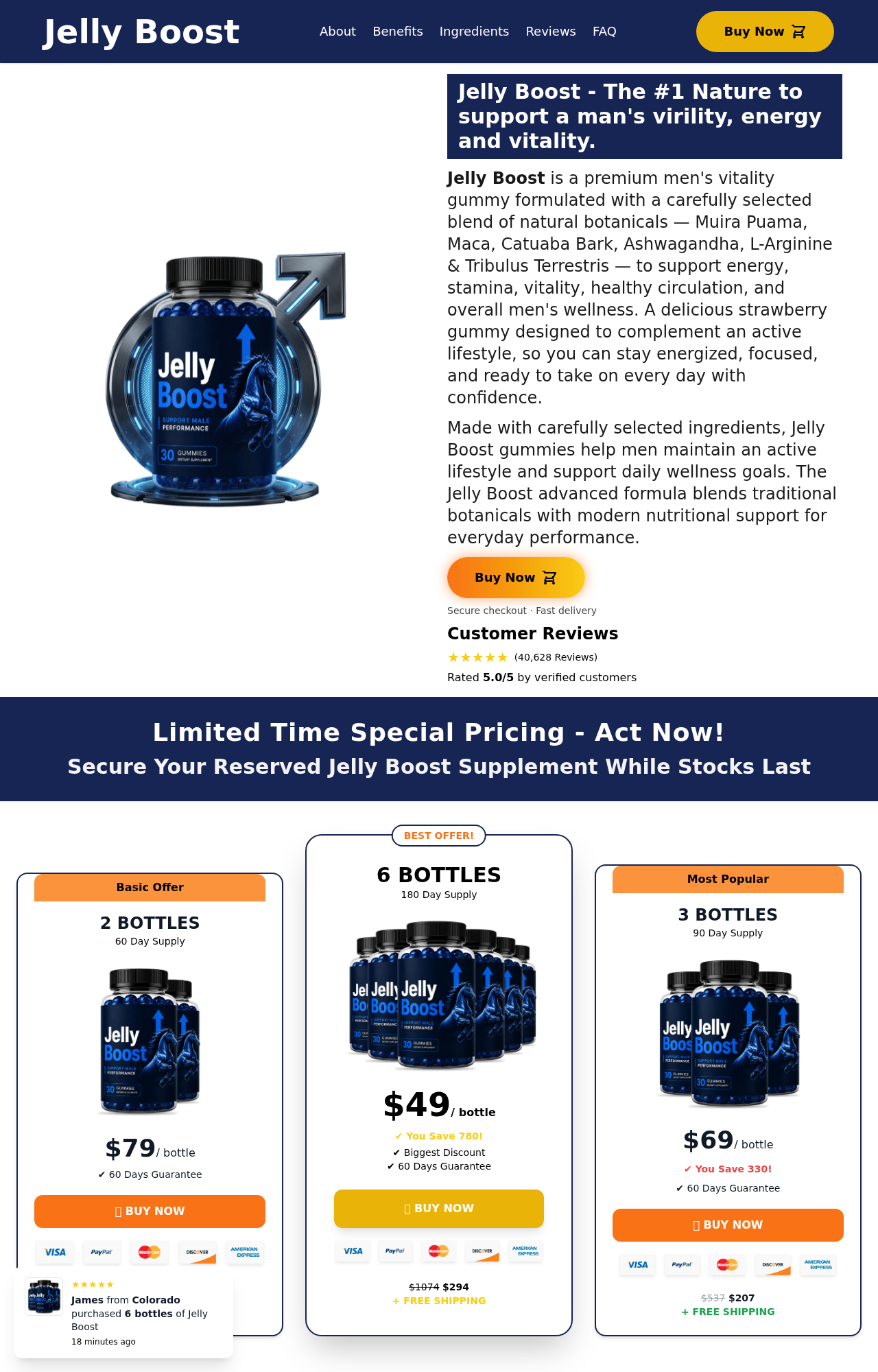
The version investigated here is a blue gummy supplement marketed for male performance, vitality, circulation, energy, libido, and confidence. It should not be confused with unrelated weight-loss products that also use the Jelly Boost name.
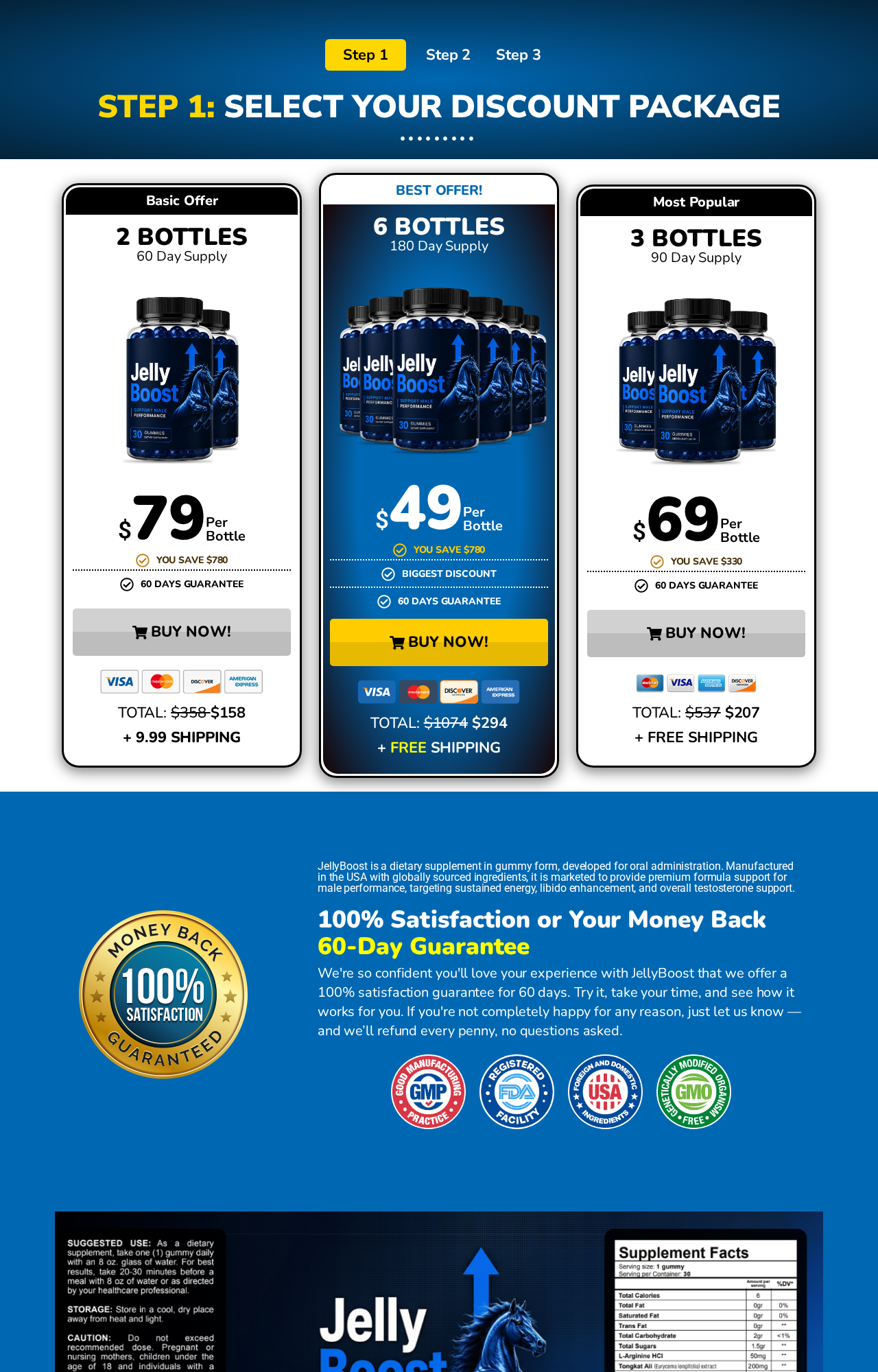
The affiliate page highlights muira puama, maca, catuaba bark, ashwagandha, L-arginine, and tribulus. The seller checkout promotes two bottles for $158, three for $207, or six for $294.
The live order path we examined presented one-time multi-bottle packages. We did not find current subscription language, so an automatic refill claim would require evidence from a different checkout version or actual receipt.
How Celebrity Videos Feed the Offer
Advertisements associated with the funnel have used or claimed to use Sylvester Stallone, Brad Pitt, Leonardo DiCaprio, Bill Gates, Sydney Sweeney, and adult performers. The changing cast allows the same product to reach different audiences.
We found no credible evidence that those people endorsed Jelly Boost Gummies. AI face animation, cloned voices, edited footage, and fabricated interview scenes can make a commercial look personal and authentic.
The celebrity is the attention hook, not the evidence. The actual transaction occurs several redirects later on a supplement checkout.
Our Verdict on Jelly Boost Gummies
We recommend avoiding Jelly Boost Gummies. The campaign uses unverified celebrity endorsements, an affiliate page with extraordinary review claims, generic legal templates, malformed support information, and a network of cross-linked supplement offers.
We also found no finished-product clinical trial or easy batch-level testing that would justify the advertised confidence. The current evidence supports calling the marketing deceptive, but not claiming that every buyer is enrolled in recurring refills.
The main warning signs are:
- Celebrity likenesses appear without a verifiable relationship.
- The page claims 40,628 verified reviews without transparent verification.
- An “FDA Approved” style badge can mislead buyers about supplement oversight.
- The affiliate page sends visitors through a tracking network to another domain.
- Its terms never clearly name the legal company.
- The privacy page publishes a malformed email address.
- Its disclaimer link returns a missing page.
- The same affiliate site cross-links many other supplement brands.
The Celebrity Endorsements Are Designed to Be Replaceable
Different Famous Faces Sell the Same Basic Fantasy
A male-performance advertisement can be tailored around an action star, wealthy entrepreneur, actor, or adult performer. Each identity supplies a slightly different reason to believe the product.
The story may suggest secret stamina, unusual energy, a private routine, or a discovery hidden from ordinary men. Jelly Boost appears only after the viewer has accepted the larger fantasy.
Because the famous face is separate from the bottle, affiliates can replace the celebrity without changing the checkout. That makes the story disposable while the commercial destination remains the same.
AI Video Removes the Need for a Real Spokesperson
Scammers and deceptive advertisers no longer need a celebrity to record anything. Public footage can be paired with synthetic speech and re-edited into an apparent confession, interview, or recommendation.
On a small screen, lip movement, voice rhythm, and visual artifacts may be difficult to evaluate. A broadcast logo or subtitle adds another layer of false credibility.
The reliable test is external verification. If the endorsement cannot be found on the celebrity’s verified channels and in reputable independent reporting, do not treat the video as genuine.
The Product Name Is Almost Secondary
The funnel can swap Jelly Boost for another male-vitality supplement without changing the celebrity story. That is why product-only warnings often become outdated quickly.
The durable warning is the method: a sensational personal claim, a long advertorial, a supposed natural breakthrough, then a multi-bottle supplement checkout.
Consumers should recognize the sequence even when the bottle color, domain, and product name change.
The Offer Uses Affiliate Layers to Blur Responsibility
The First Sales Page Is Not the Final Seller
The page at jelly-boost.us looks like an official brand site. Its buy buttons pass through maxwebconnect.com, an affiliate tracking system, before reaching myjellyboost.com.
That means at least three roles may be involved: the page that made the claims, the network that attributed the sale, and the checkout that accepted payment.
A buyer with a complaint should preserve the complete redirect path. The final merchant may argue that an affiliate, not the seller, created the celebrity advertisement.
The Review Count Is Not Independently Explained
The affiliate page claims 40,628 reviews and a 5.0/5 rating from verified customers. It does not provide a transparent review database showing dates, purchase verification, negative feedback, or moderation rules.
A large number printed beside stars is a marketing claim, not independent social proof. It can be placed on a page as easily as a product photo.
Buyers should look for reviews outside the sales network and should not assume the label “verified” was audited by a neutral platform.
The “FDA Approved” Presentation Is Misleading
The page displays a circular FDA-style badge among its trust seals. Dietary supplements are not FDA approved for safety and effectiveness before they are sold.
A manufacturing facility may have registration obligations, and a seller may mention GMP practices. Neither fact means the FDA approved Jelly Boost Gummies or its male-performance claims.
Any page that visually blurs those distinctions is encouraging a conclusion consumers should not draw.
How the Jelly Boost Gummies Scam Works
Step 1: A Celebrity Video Stops the Scroll
The ad opens with a familiar face and an intimate or sensational statement. The viewer may believe the celebrity is revealing a private solution for male performance.
The video may be fully synthetic or assembled from authentic footage and fake audio. It is optimized for short social-media attention, not careful verification.
Step 2: The Story Introduces a Natural “Secret”
Instead of immediately naming the gummies, the video describes an ingredient, recipe, ritual, or hidden discovery. This delays the obvious sales pitch.
The viewer is encouraged to believe the method works because the celebrity appears energetic, successful, or sexually confident.
Step 3: An Advertorial Converts Curiosity Into Trust
The next page repeats the benefits, lists botanicals, shows a dramatic bottle, and presents a wall of positive reviews. It may resemble an independent review even though it contains affiliate tracking.
Links, badges, and confident writing make the page appear established. The legal ownership remains difficult to identify.
Step 4: A Tracking Redirect Hides the Handoff
The buy button goes through MaxWeb before reaching myjellyboost.com. The browser changes domains quickly, and a mobile user may never notice.
This lets the advertising network measure commissions while separating the most aggressive claims from the seller’s checkout.
Step 5: The Checkout Pushes Multi-Bottle Packages
The smallest option requires two bottles for $158. Three bottles cost $207, and six cost $294. The six-bottle option is framed as the best discount.
Crossed-out prices and savings figures create urgency. The buyer is asked to commit to months of product before evaluating one bottle.
Step 6: Generic Terms Offer Little Accountability
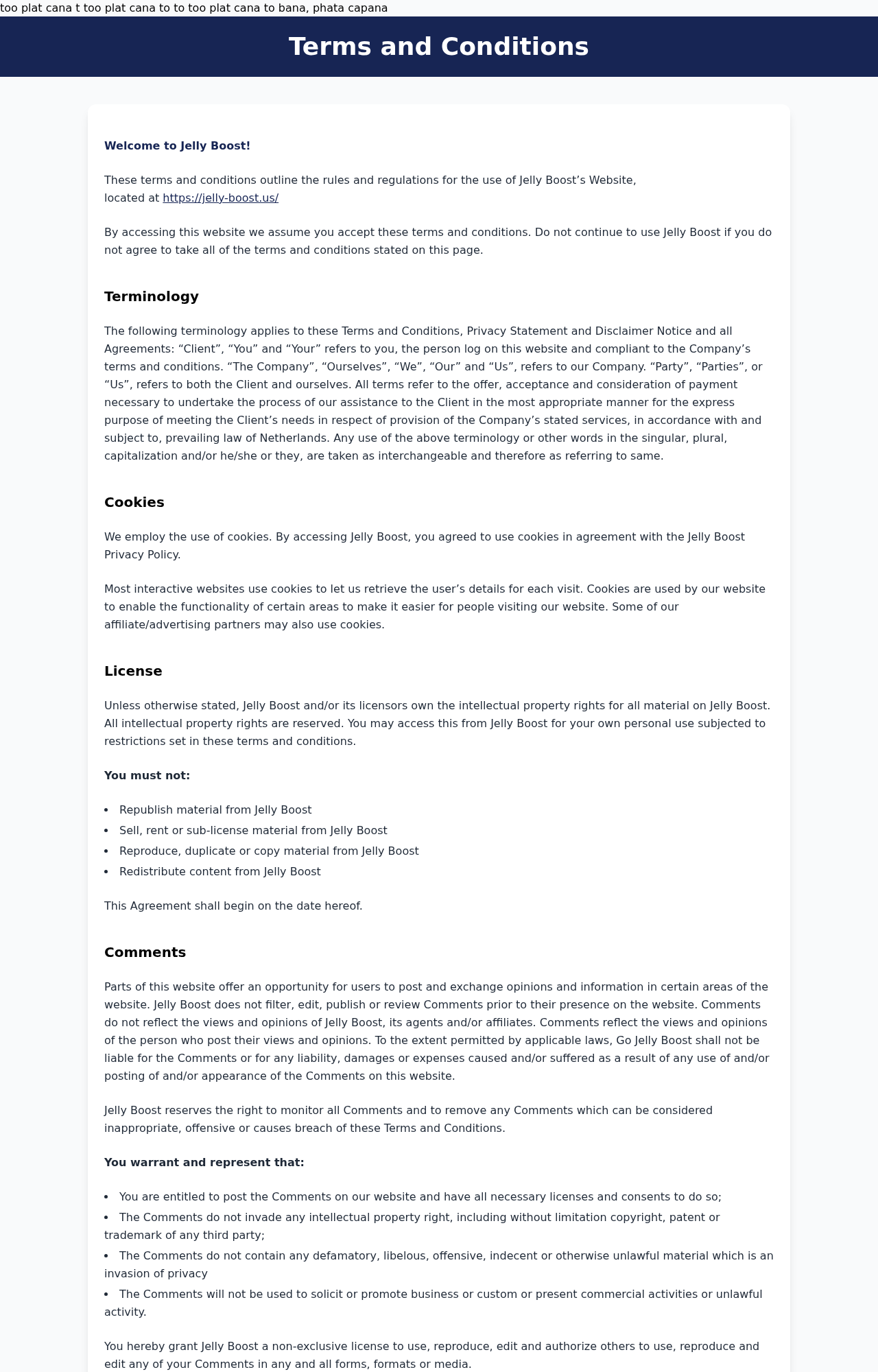
The affiliate terms refer repeatedly to “Company” but do not identify the company. They use template language, say the law of the Netherlands applies, and include visible junk text at the top.
The privacy page lists a malformed address, “info@Jelly Boost.com,” containing a space. The disclaimer page is missing.
Step 7: The Network Promotes the Next Bottle
The affiliate domain links to many other supplement offers, including products for blood sugar, memory, weight loss, and male vitality. That pattern looks less like a specialist health company and more like a broad lead-generation network.
If one brand loses momentum or attracts complaints, traffic can move to another name while the same marketing machinery remains.
Company, Address, and Fulfillment Checks
The Affiliate Terms Do Not Name the Company
The terms define “Company,” “We,” and “Us” but never replace those labels with a complete legal entity. A governing-law reference to the Netherlands appears without a matching business registration or address.
This is not adequate transparency for a page making health claims and earning commissions from consumer purchases.
The Contact Information Is Fragmented
The affiliate privacy page contains the malformed email address info@Jelly Boost.com. Current promotional materials for the seller list contact@customercs.com and +1 (507) 448-8190.
BuyGoods billing support has also been listed at 302-404-2568. Buyers should prioritize the details on their individual receipt and card statement because public pages can be copied or outdated.
The Product Label Uses an Ogden Post Office Box
Public product-label material points to PO Box 12730 in Ogden, Utah, but versions have shown conflicting ZIP codes, 84404 and 84412.
A post office box does not identify the manufacturer, laboratory, headquarters, or fulfillment warehouse. A ZIP conflict makes the printed business trail even less reliable.
No Traceable Manufacturing Record Is Presented
The page claims U.S. manufacturing with globally sourced ingredients. We found no public certificate of analysis tied to a batch number on the bottle and no clear named facility responsible for the finished gummies.
We cannot responsibly say the product is made in China or contaminated without proof. What can be said is that the public funnel does not provide enough traceable evidence to verify its origin, identity, or potency.
The Legal Pages Look Like Unfinished Templates
Visible Junk Text Appears Above the Terms
The terms page begins with a string of nonsensical words before the heading. This is not a subtle legal issue; it is visible evidence that the page was not professionally reviewed before publication.
A typo does not prove a product is fraudulent. A collection of template errors, missing disclosures, and malformed contact details does show that the consumer-facing compliance layer is unreliable.
That matters when a buyer needs to identify the contracting party or enforce a guarantee.
The Disclaimer Page Is Missing
The site links to a Disclaimer.html page that returns an error. The page therefore asks consumers to rely on a disclosure that is not available.
The missing document sits beside an FDA-style badge and aggressive performance claims. It is another sign that selling was prioritized over complete public information.
Save screenshots before ordering because missing pages can later be replaced without showing what the buyer originally saw.
What to Do if You Have Fallen Victim to This Scam
- Identify the exact Jelly Boost product. Save the bottle image, URL, formula, receipt, and package. Do not use refund instructions from an unrelated weight-loss product with the same name.
- Preserve the celebrity advertisement. Record the account, platform, date, video, claims, and every redirect, including jelly-boost.us, MaxWeb, and myjellyboost.com.
- Check the final billing terms. The current funnel appeared one-time, but search your receipt for subscription, autoship, continuity, refill, membership, or recurring language.
- Contact the seller and retailer in writing. Use the information on the receipt and card statement. Provide the order number, charge, date, and reason, and request return authorization and a written deadline.
- Document any return. Photograph the bottles and parcel, use tracking, and retain proof of delivery. Do not mail a package to an unconfirmed post office box.
- Dispute unresolved charges. Tell the card issuer whether the issue is an unauthorized charge, fake endorsement, merchandise not as described, or failure to honor the guarantee. Submit the full redirect and support record.
- Report the ad and any side effects. Report impersonation to the platform and deceptive marketing to the FTC. Contact a clinician and report serious supplement reactions to the FDA.
- Secure your browsing environment. Malwarebytes can scan for malware or unwanted software after suspicious redirects. AdGuard can block many deceptive ads and trackers and reduce repeated exposure to the network.
Frequently Asked Questions
Is Jelly Boost Gummies a subscription?
The current male-performance checkout we examined showed one-time packages and no visible refill language. Verify the final receipt because different funnels or future versions may use different terms.
Did Sylvester Stallone or Brad Pitt endorse Jelly Boost?
We found no credible confirmation. The same campaign style uses several celebrities, which is consistent with replaceable AI or edited endorsements.
Are all Jelly Boost products the same?
No. The name is used by unrelated offers, including products marketed for different purposes. Match the domain, bottle, formula, and seller before relying on any review or policy.
Is Jelly Boost FDA approved?
No. The FDA does not approve dietary supplements for safety and effectiveness before sale. An FDA-style seal does not make the gummies an approved treatment.
Who sells Jelly Boost Gummies?
The funnel uses an affiliate page, MaxWeb tracking, and a separate checkout. The public terms do not clearly identify one complete legal company, so the receipt and card descriptor are essential.
Where is Jelly Boost manufactured?
The page claims U.S. manufacturing with globally sourced ingredients, but we found no public batch-specific testing or clearly named facility that lets consumers verify that claim.
The Bottom Line
Jelly Boost Gummies is promoted through a flexible celebrity scam story that can swap famous faces while sending buyers to the same multi-bottle offer. The affiliate and seller layers make responsibility harder to trace.
The current order path does not prove automatic refills, but the fake endorsements, inflated review presentation, misleading FDA badge, unfinished legal pages, fragmented contacts, and opaque manufacturing trail make this an offer worth avoiding.








