

Acer Updater is a software program developed by Acer Inc. that is designed to keep your Acer computer up to date with the latest drivers, BIOS updates, and software patches. It is pre-installed on many Acer laptops and desktops and runs in the background, periodically checking for updates and notifying you when they are available.
The Purpose of Acer Updater
The primary purpose of Acer Updater is to ensure that your Acer computer is running smoothly and efficiently by keeping all the necessary software components up to date. It helps to improve system stability, fix bugs, and enhance overall performance. By regularly updating your drivers and software, you can also ensure compatibility with the latest hardware and software releases.
Acer Updater scans your system for outdated drivers, BIOS versions, and software applications. It then provides you with a list of available updates, allowing you to choose which ones to install. This process helps to simplify the update process and ensures that you are always running the latest versions of essential software components.
Should I Remove Acer Updater?
While Acer Updater serves a useful purpose, there are a few reasons why you might consider removing it from your computer:
- Resource Usage: Acer Updater runs in the background and consumes system resources, including CPU and memory. If you have a low-end or older Acer computer, you may notice a decrease in performance when Acer Updater is running.
- Unwanted Notifications: Acer Updater periodically displays notifications to inform you about available updates. If you find these notifications intrusive or unnecessary, you may prefer to remove Acer Updater.
- Manual Updates: Some users prefer to manually update their drivers and software rather than relying on an automated tool like Acer Updater. Manual updates give you more control over the update process and allow you to research and choose specific updates based on your needs.
If any of these reasons resonate with you, you may want to consider removing Acer Updater from your computer. However, it is important to note that removing Acer Updater will require you to manually update your drivers and software to ensure that your system remains up to date.
How to Remove Acer Updater
If you have decided to remove Acer Updater from your computer, there are a few different methods you can use:
Method 1: Uninstall via Control Panel
- Open the Control Panel on your Acer computer.
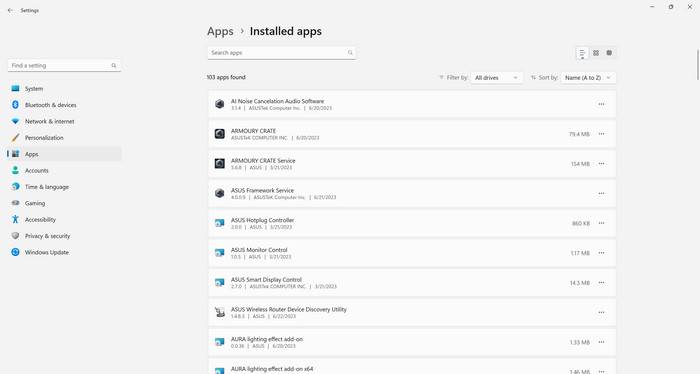
- Select “Uninstall a program” or “Programs and Features.”
- Locate Acer Updater in the list of installed programs.
- Right-click on Acer Updater and select “Uninstall.”
- Follow the on-screen prompts to complete the uninstallation process.
After uninstalling Acer Updater, it is recommended to restart your computer to ensure that all changes take effect.
Method 2: Use a Third-Party Uninstaller
If you prefer a more thorough uninstallation process, you can use a third-party uninstaller tool like Revo Uninstaller Free. These tools can help you remove all traces of Acer Updater from your computer, including registry entries and leftover files.
When using a third-party uninstaller, follow the instructions provided by the software to ensure a complete and clean removal of Acer Updater.
Conclusion
Acer Updater is a software program developed by Acer Inc. to keep your Acer computer up to date with the latest drivers, BIOS updates, and software patches. While it serves a useful purpose, there are reasons why you might consider removing it, such as resource usage, unwanted notifications, or a preference for manual updates.
If you decide to remove Acer Updater, you can do so through the Control Panel or by using a third-party uninstaller tool. However, it is important to note that removing Acer Updater means you will need to manually update your drivers and software to ensure your system remains up to date.
Ultimately, the decision to remove Acer Updater depends on your personal preferences and needs. Consider the pros and cons outlined in this article and choose the option that best suits your requirements.

Join the discussion
0 commentsShare your experience or ask a question about this article.
Discussion
Start the conversation
Have a question or something useful to share? Add the first comment.