

When it comes to computer processes and files, it’s not uncommon for users to come across unfamiliar names that may raise concerns. One such file is acrotray.exe, which often prompts questions about its purpose and whether it should be removed. In this article, we will delve into the details of acrotray.exe, its functions, and provide insights to help you make an informed decision.
Understanding Acrotray.exe
Acrotray.exe is a legitimate executable file associated with Adobe Acrobat, a widely used software for creating, editing, and viewing PDF documents. It is part of the Adobe Acrobat Distiller application, which is responsible for converting PostScript files to PDF format. The acrotray.exe process runs in the background and is automatically launched when you start your computer.
As a system tray application, acrotray.exe primarily functions to provide quick access to Adobe Acrobat features and settings. It allows users to easily access commonly used options, such as creating PDFs, converting files, and adjusting preferences, directly from the system tray icon.
Should I Remove Acrotray.exe?
While acrotray.exe is a legitimate file associated with Adobe Acrobat, there are instances where it may cause issues or consume excessive system resources. Here are a few scenarios where you might consider removing or disabling acrotray.exe:
1. High CPU or Memory Usage
If you notice that acrotray.exe is consuming a significant amount of CPU or memory resources, it could be impacting your computer’s performance. In such cases, disabling or removing acrotray.exe might help alleviate the issue. However, it’s important to note that removing acrotray.exe may limit your access to certain Adobe Acrobat features.
2. Compatibility Issues
In some cases, acrotray.exe may conflict with other software or applications installed on your computer, leading to compatibility issues. If you experience frequent crashes, errors, or conflicts related to acrotray.exe, it may be worth considering removal or disabling the process.
3. Unnecessary Startup Item
If you prefer to have a lean startup process and minimize the number of background processes running on your computer, removing acrotray.exe from the startup items list can help achieve that. Disabling acrotray.exe from startup will prevent it from launching automatically when you boot up your computer.
How to Remove or Disable Acrotray.exe
If you’ve decided to remove or disable acrotray.exe, here are a few methods you can try:
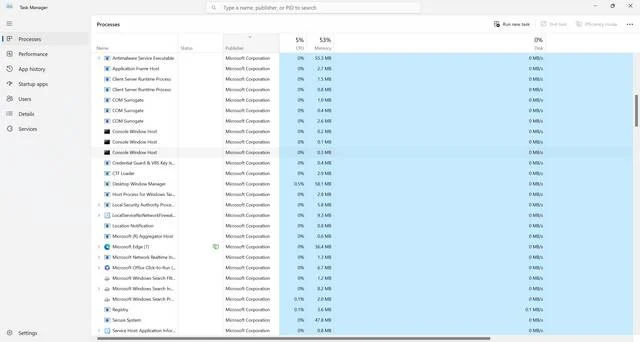
1. Task Manager
- Press Ctrl + Shift + Esc to open the Task Manager.
- Click on the Processes tab.
- Locate acrotray.exe in the list of processes.
- Right-click on it and select End Task.
2. System Configuration
- Press Windows + R to open the Run dialog box.
- Type msconfig and press Enter.
- In the System Configuration window, go to the Startup tab.
- Uncheck the box next to Adobe Acrobat or Acrotray.
- Click Apply and then OK.
- Restart your computer for the changes to take effect.
It’s important to note that removing or disabling acrotray.exe may limit your access to certain Adobe Acrobat features. If you rely heavily on these features, it’s recommended to keep acrotray.exe enabled and consider alternative solutions to address any performance or compatibility issues.
Scanning for Viruses and Malware
If you suspect that acrotray.exe or any other file on your computer may be infected with malware, it’s crucial to perform a thorough scan using reliable antivirus software. One highly recommended tool is Malwarebytes Free, which offers comprehensive protection against various types of malware.
Malwarebytes Free is a trusted antivirus program that can detect and remove malware, including potentially harmful files like acrotray.exe if they have been compromised. Regularly scanning your system with reputable antivirus software is an essential practice to ensure the security and integrity of your computer.
Conclusion
Acrotray.exe is a legitimate file associated with Adobe Acrobat, providing quick access to its features and settings. While it is generally safe to keep acrotray.exe enabled, there are situations where removing or disabling it may be necessary, such as high CPU or memory usage, compatibility issues, or a desire for a lean startup process.
Before making any changes, it’s important to consider the potential impact on your Adobe Acrobat experience. If you rely heavily on its features, it may be best to address any performance or compatibility issues through alternative solutions or seek assistance from Adobe’s support team.
Remember to regularly scan your computer for viruses and malware using reliable antivirus software like Malwarebytes Free to ensure the overall security and performance of your system.

Join the discussion
0 commentsShare your experience or ask a question about this article.
Discussion
Start the conversation
Have a question or something useful to share? Add the first comment.