

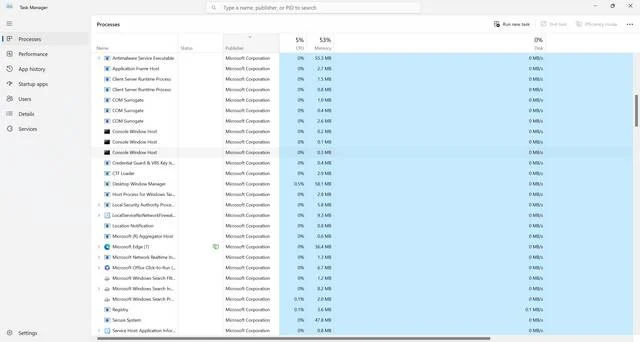
When you open the Task Manager on your Windows computer, you may notice a process called “AMD System Monitor” running in the background. This can be a cause for concern for some users who are unfamiliar with this process and its purpose. In this article, we will explore what the AMD System Monitor process is, why it is running in Task Manager, and whether it poses any risks to your computer.
Understanding the AMD System Monitor Process
The AMD System Monitor process is a legitimate component of AMD graphics drivers. It is designed to provide users with real-time monitoring and reporting of various system parameters, including CPU usage, GPU temperature, fan speed, and more. This tool is particularly useful for gamers and power users who want to keep an eye on their system’s performance.
AMD System Monitor is typically installed alongside AMD graphics drivers and can be accessed through the AMD Radeon Settings or Catalyst Control Center software. It allows users to monitor and optimize their AMD graphics card settings for better performance and stability.
Why Is AMD System Monitor Running in Task Manager?
When you see the AMD System Monitor process running in Task Manager, it simply means that the AMD graphics drivers are actively monitoring your system’s performance. The process itself is not a cause for concern, as it is a legitimate and essential component of AMD’s software suite.
AMD System Monitor runs in the background to provide real-time monitoring and reporting capabilities. It allows users to keep track of their system’s performance and make informed decisions regarding overclocking, fan control, and other settings. By running in the background, it ensures that the monitoring features are always available whenever you need them.
Is AMD System Monitor Safe?
Yes, the AMD System Monitor process is safe and does not pose any risks to your computer. It is a legitimate software component developed by AMD, a reputable company known for its graphics cards and drivers. However, it is essential to ensure that you have downloaded the software from official sources to avoid any potential security risks.
If you are concerned about the legitimacy of the AMD System Monitor process running on your computer, you can perform a scan with Malwarebytes Free or any other reliable antivirus software. This will help you identify and remove any potential malware or unwanted programs that may be masquerading as the AMD System Monitor process.
How to Disable or Remove AMD System Monitor
If you no longer wish to use the AMD System Monitor or want to disable it for any reason, you can do so through the AMD Radeon Settings or Catalyst Control Center software. Here’s how:
- Open the AMD Radeon Settings or Catalyst Control Center software on your computer.
- Navigate to the “Performance” or “Overdrive” tab.
- Look for the option to disable or turn off the AMD System Monitor.
- Save your changes and exit the software.
By following these steps, you can disable the AMD System Monitor process from running in the background. However, keep in mind that disabling this feature will prevent you from accessing real-time monitoring and reporting capabilities provided by the AMD graphics drivers.
Conclusion
The AMD System Monitor process running in Task Manager is a legitimate component of AMD graphics drivers. It provides users with real-time monitoring and reporting capabilities for their system’s performance. While it may initially raise concerns for some users, it is essential to understand that the process is safe and does not pose any risks to your computer.
If you have any doubts about the legitimacy of the AMD System Monitor process, it is always a good idea to perform a scan with Malwarebytes Free or other reliable antivirus software. This will help you identify and remove any potential malware or unwanted programs.
Remember, the AMD System Monitor process is designed to enhance your system’s performance and provide valuable insights into its operation. If you no longer wish to use this feature, you can disable it through the AMD Radeon Settings or Catalyst Control Center software. However, keep in mind that disabling the AMD System Monitor will prevent you from accessing real-time monitoring and reporting capabilities.

Join the discussion
0 commentsShare your experience or ask a question about this article.
Discussion
Start the conversation
Have a question or something useful to share? Add the first comment.