

There’s been a lot of buzz about the ASOS sample sale and the website associated with it, AsosSampleSale.com. A lot of people are wondering, is it legit? So we decided to dive deep, do some research, and break it all down for you. Stick around because we’ve got the full scoop – is AsosSampleSale legit?
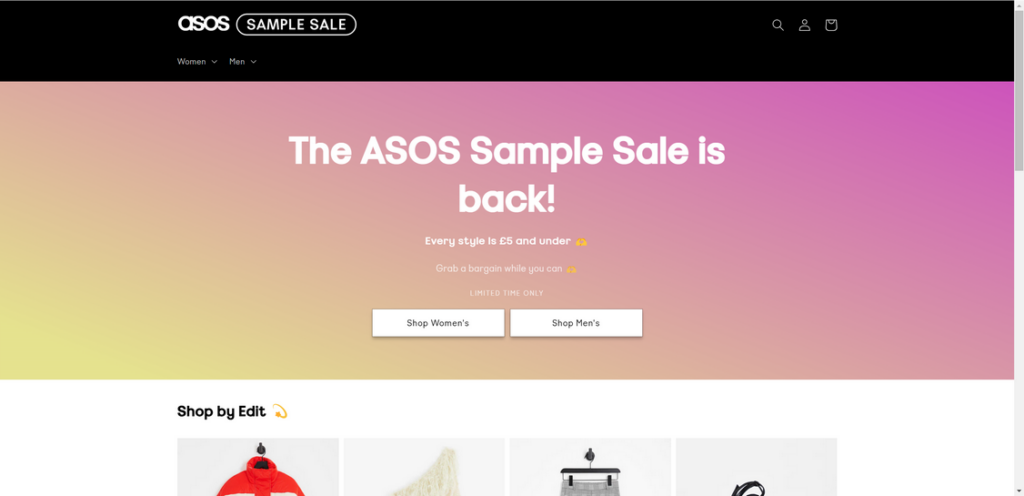
Overview: Yes, AsosSampleSale.com is Legit
After our thorough research, we can confidently say yes, it’s legit. The famous fast fashion brand ASOS has actually created a separate website, AsosSampleSale.com, and it’s designed to give you one last chance to snag the styles you love at crazy affordable prices. Sounds like a dream, right? Let’s get into the details and break down the reasons why this site is the real deal.
Evidence That AsosSampleSale.com is Legit
1. Officially Affiliated with ASOS
First and most important, the site is officially affiliated with ASOS. Even the official ASOS website mentions it in their FAQ section. That’s a pretty big deal. If it were a scam, there’s no way it would be tied to such a big, legit brand.
We’ve seen plenty of scam websites that slap a famous brand’s name on their homepage to trick people. But this is definitely not one of those.
2. Established History
Second green flag – the website has been around for a while. According to WhoIs data, it was registered in 2023. So it’s been operating for more than 2 years now. Scam sites usually pop up out of nowhere, steal people’s money and data, and then vanish. But AsosSampleSale.com has been here for a while, which is reassuring.
3. Professional Website Design
The website itself is well-designed and informative. It’s easy to navigate, with all the buttons and links you’d expect to see on a legit site. On the other hand, scam sites are often poorly put together and don’t give you much info. That’s not the case here.
Some Negative Reviews to be Aware Of
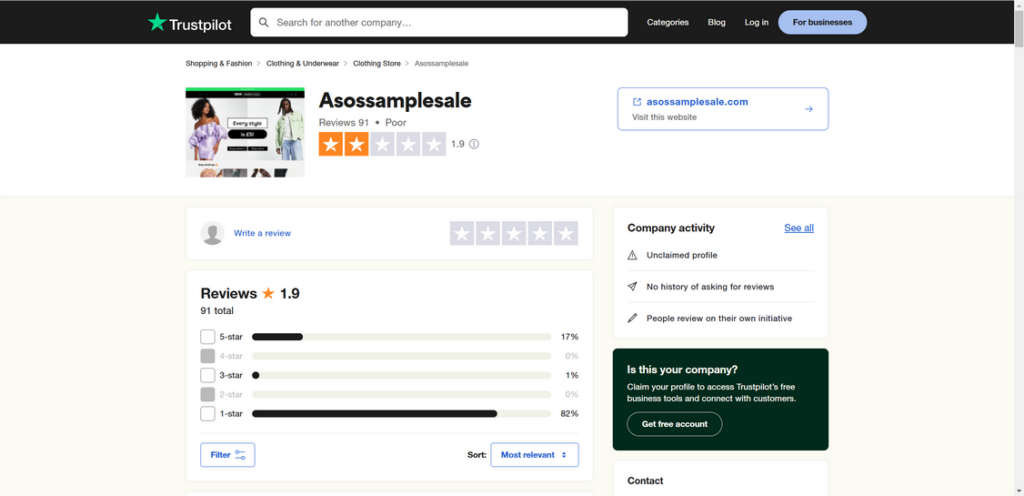
Okay, so while the site is legit, we did come across some negative reviews that you need to know about. On trusted review platforms like TrustPilot, we found a number of complaints.
Some people mentioned having trouble getting refunds, especially for large orders. Others said they received partial shipments, which is definitely frustrating. These are things ASOS needs to address if they want to build more trust with customers.
The Bottom Line
So here’s the bottom line: Yes, the ASOS sample sale is legit. The site is affiliated with ASOS and everything checks out. But some customer issues need to be resolved, like refund difficulties and incomplete deliveries.
If you’re planning to shop on AsosSampleSale.com, just keep these things in mind and maybe start with a smaller order to test the waters.
We hope this helped clear things up! If you’ve had any experiences with the ASOS sample sale, good or bad, let us know in the comments.
Frequently Asked Questions about AsosSampleSale.com
Since there are still some open questions around the legitimacy and operations of AsosSampleSale.com, we’ll tackle some of the most frequently asked questions:
What Exactly is AsosSampleSale.com?
AsosSampleSale.com is a website owned and operated by ASOS, the popular UK-based online fashion and beauty retailer. It offers deeply discounted items from previous ASOS seasons that didn’t sell at full price.
So it gives shoppers a chance to score ASOS products for up to 80% off! The inventory comes from overstock or returned items that are still in good condition but need to be cleared out.
How Does the Pricing Work?
The sample sale prices are amazing – most items are 70-80% off the original ASOS price. For example, a dress originally $80 on ASOS might be priced at just $15-20 on AsosSampleSale.com.
They offer new markdowns every day at 8am EST. So it pays to check regularly for the latest deals. Limited sizes and quantities are available, so items sell out quickly.
Why Does ASOS Offer This Sample Sale Website?
Retailers like ASOS accumulate excess inventory and returned items over time. The AsosSampleSale.com website allows them to clear this old stock in an economical way.
It’s win-win – ASOS generates revenue from merchandise they’d otherwise have to discard. And shoppers get amazing deals on the stylish ASOS products they love.
How Can I Be Sure It’s Not a Scam?
Here are the top signs indicating AsosSampleSale.com is legit and not a scam:
- The site is directly affiliated with ASOS – mentioned on ASOS’s website FAQ.
- It’s been operating for over 2 years. Scam sites don’t last long.
- The website design and branding match ASOS’s official online store.
- Customer service is provided by ASOS’s existing support channels.
- Purchases are processed securely through established payment gateways.
- Returns accepted per ASOS’s regular policies.
So while some shoppers have faced issues like delayed refunds, overall it is a legitimate ASOS enterprise.
Are There Any Disadvantages to Shopping Here?
The deeply discounted prices are tempting, but there are a few drawbacks of shopping at AsosSampleSale.com to be aware of:
- Limited availability. Sizes, styles and quantities are depleted quickly.
- No returns or exchanges accepted on beauty, accessories or intimate apparel.
- Some customers have faced slower-than-expected refunds and partial shipments.
- Minimal product details provided. Only generic category and description.
- Purchases aren’t eligible for ASOS Premier Delivery options.
So the convenience and selection is lower than the main ASOS online store. Read all policies carefully before ordering.
Should I Shop at AsosSampleSale.com?
If you’re hoping to score designer fashion and beauty at unbeatably low prices, it can be a smart place to shop. Just set your expectations accordingly in terms of product information, shipping speed, returns, and inventory availability.
Start by ordering a few sale items you love to test the experience. As long as you know the limitations going in, you can take advantage of excellent deals on excess ASOS inventory.

Reviews & discussion
0 commentsShare a firsthand experience, or ask a question.
Community reviews
asossamplesale.com
Moderated reader experiences, not an editorial verdict.
Start the conversation
Have a question or something useful to share? Add the first comment.