

The adorable Astro Bot Plush toy based on the iconic PlayStation character has exploded in popularity recently. Aggressive marketing on social media has portrayed this plush as a must-have collectible for gamers and PlayStation fans. However, looking past the cute exterior reveals some concerning red flags about the Astro Bot Plush that consumers should be aware of before buying.
In this detailed investigation, we’ll scrutinize the claims versus reality and examine customer feedback to determine if the Astro Bot Plush is a fun pop culture collectible as marketed or an overpriced scam preying on fans.
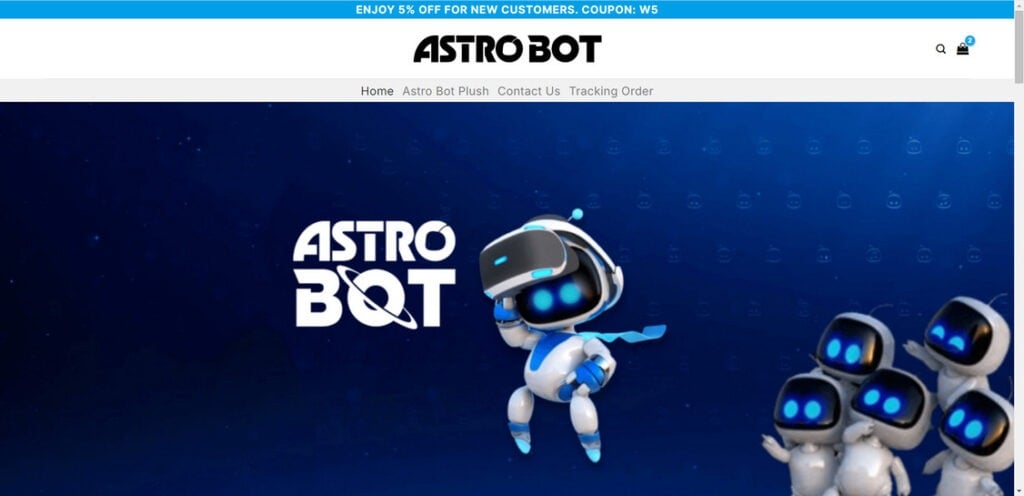
Overview of the Astro Bot Plush
For those unfamiliar, Astro Bot is the cute protagonist from the PlayStation VR game Astro Bot Rescue Mission. With his charming design and entertaining adventures, Astro Bot has become a beloved mascot for PlayStation gamers.
Capitalizing on this popularity, numerous Astro Bot plushes have emerged on sites like Etsy to appeal to fans. However, one plush being heavily promoted via social media ads and affiliate marketing is the Astro Bot Plush from astrobotplush.com.
This “official” plush is 12 inches tall and made from plush polyester fabric. It closely mirrors Astro Bot’s in-game design with bright colors and signature smiling expression.
According to the website, this high-quality plush allows you to bring home a reminder of Astro Bot’s adventures. It is marketed as a must-have for diehard PlayStation fans and collectors.
The messaging portrays the Astro Bot Plush as in demand and frequently selling out. Customers are urged to buy quickly before this hot item is gone. And with prices ranging from $25-$45, it is positioned as an affordable way to own a piece of PlayStation history.
But does the actual product live up to the marketing hype? Let’s investigate further.
Aggressive Marketing Tactics Raise Suspicion
Right away, there are several promotional tactics used on the Astro Bot Plush website that should give pause:
- Fake celebrity endorsements from nonexistent media
- Reviews only available on their site, no third-party customer feedback
- No company address or background information provided
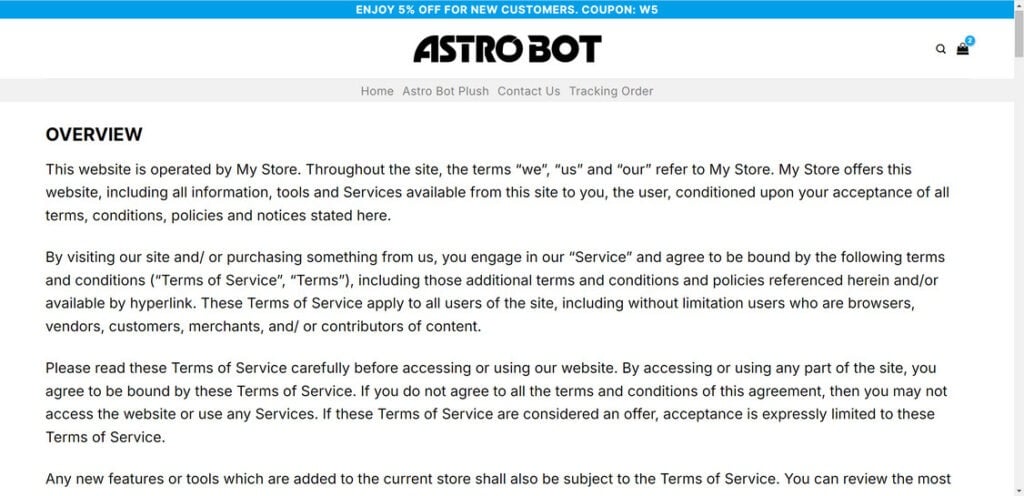
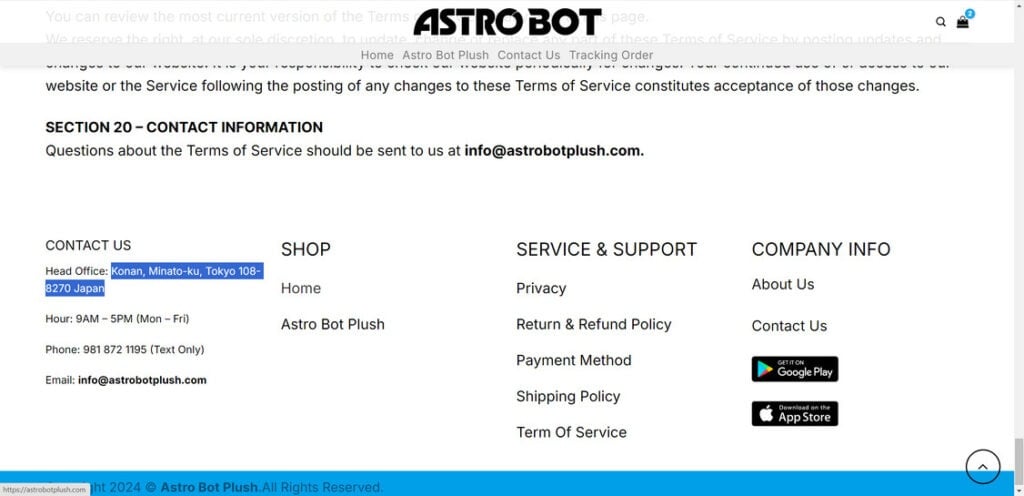
Essentially all classic warning signs of deceptive marketing more focused on extracting sales rather than providing a quality product customers will enjoy.
The website also has grammar issues and formatting inconsistencies that suggest a lack of polish and possible language barriers. This casts doubt on the company being an official PlayStation partner as portrayed.
So how does the actual plush compare versus how it is depicted in the ads?
Underwhelming Quality vs Expectations
Unfortunately, impressions of the Astro Bot Plush based on customer reviews and objective analysis reveal a sizable gap between marketing claims and reality:
- The plush is smaller and looks cheaper in person than depicted in ads. The fabrics and craftsmanship are unimpressive.
- The eyes and finer details of the plush are often poorly printed/stitched. QC issues are common.
- The plush material feels inexpensive; thin, rough, and prone to pilling. Not soft premium plush as marketed.
- The legs are particularly fragile; easily snap off with minimal handling making it unsafe for young kids.
- No official PlayStation tags or branding. Appears to be cheap knockoff plush, not licensed collectible.
- Given flaws and quality, grossly overpriced at $25+ when comparable plush toys cost under $10.
Clearly this Astro Bot plush suffers from substantial quality control issues and misleading marketing. But it gets worse…
Likely a Dropshipping Scam
Dropshipping scams involve middlemen selling marked-up cheap goods from Chinese sites like AliExpress and Alibaba using fake reviews and deceptive ads.
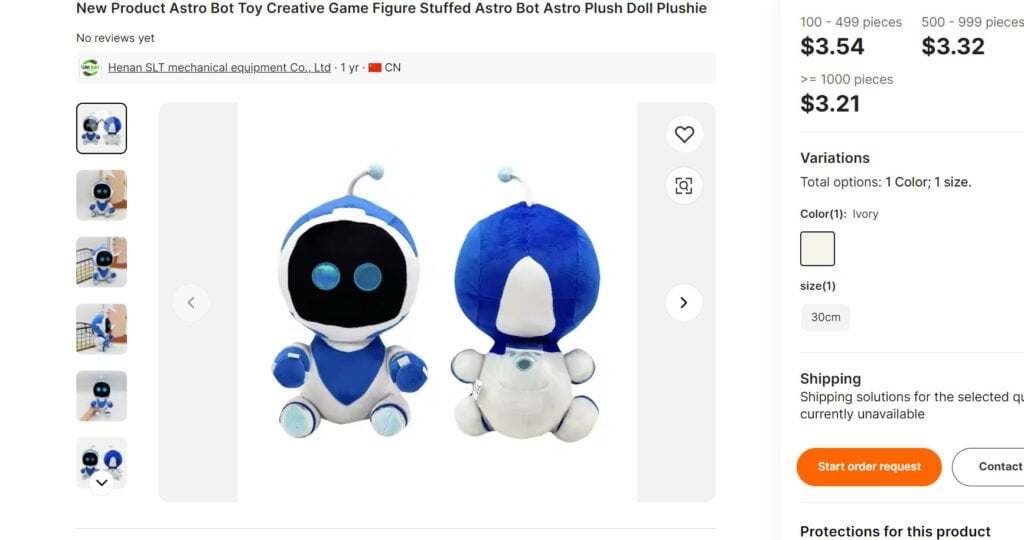
All signs point to the Astro Bot Plush being one of these operations:
- Identical Astro Bot plushes are available on AliExpress for under $5 yet sold for 500%+ markups.
- Newly formed company with no registered address. Non-existent customer service.
- Fake limited supply warnings but never out of stock. Orders simply placed on AliExpress.
- No indication of official PlayStation approval, licensing, or partnership.
- Complaints of wrong items, damaged goods, no delivery, ignored refunds.
Essentially, the priority is maximizing profit margins from fans attracted by the ads and FOMO messaging. But what arrives is a low-quality doll not matching expectations.
The Bottom Line
In summary, while the Astro Bot Plush toy is marketed as a must-have collectible for PlayStation fans, a closer look reveals a likely dropshipping scam. Numerous red flags like fake scarcity claims, nonexistent reviews, and reports of poor quality suggest this cute plush will not live up to expectations. Gamers are best served avoiding this suspect plush and instead finding reputable options from trusted brands and makers. Don’t waste money or risk disappointment on what appears to be an overpriced scam exploiting enthusiasm. With more informed purchasing decisions, fans can confidently find high-quality plush toys and collectibles to enjoy without getting ripped off.
This article is for educational purposes only and does not constitute professional, financial or legal advice. The content is intended for general information and should not be construed as definitive guidance. Information contained herein is subject to change without notice.  For concerns, please contact us via the provided form.
If you are the owner of the website or product in question and wish to offer clarifications regarding your business or website, please reach out to us through the provided Contact Form.

Join the discussion
0 commentsShare your experience or ask a question about this article.
Discussion
Start the conversation
Have a question or something useful to share? Add the first comment.