

When it comes to pre-installed software on your computer, it’s important to understand what each program does and whether or not it is necessary for your needs. One such program that often raises questions is ASUS AsusVibe2.0. In this article, we will explore what ASUS AsusVibe2.0 is, its features, and whether or not you should consider removing it from your system.
What is ASUS AsusVibe2.0?
ASUS AsusVibe2.0 is a software program developed by ASUS that comes pre-installed on many ASUS computers. It is designed to provide users with a platform for accessing and downloading various types of digital content, including music, videos, games, and applications. The program offers a user-friendly interface that allows users to easily browse and discover new content.
ASUS AsusVibe2.0 is often compared to other digital content platforms such as Steam or the Windows Store. However, it is important to note that ASUS AsusVibe2.0 is specifically tailored to ASUS computers and may not be available on other brands.
Features of ASUS AsusVibe2.0
ASUS AsusVibe2.0 offers several features that aim to enhance the user experience and provide easy access to a wide range of digital content. Some of the key features include:
- Content Discovery: ASUS AsusVibe2.0 provides users with a curated selection of digital content, making it easier to discover new music, videos, games, and applications.
- Download Manager: The program includes a built-in download manager that allows users to easily download and install content from the platform.
- Personalization: ASUS AsusVibe2.0 allows users to customize their experience by creating playlists, organizing their library, and setting preferences.
- Updates and Notifications: The program automatically checks for updates and notifies users when new content or updates are available.
Should I Remove ASUS AsusVibe2.0?
Whether or not you should remove ASUS AsusVibe2.0 from your computer depends on your personal preferences and usage patterns. Here are a few factors to consider:
1. Disk Space:
If you are running low on disk space, removing ASUS AsusVibe2.0 can free up some storage. However, it is important to note that the program itself does not take up a significant amount of space, and the content you have downloaded through the platform may take up more space than the program itself.
2. Usage and Preferences:
If you frequently use ASUS AsusVibe2.0 to discover and download digital content, removing it may impact your ability to access and enjoy the content available on the platform. Consider whether you rely on ASUS AsusVibe2.0 for your entertainment needs and whether you have alternative platforms or methods for accessing similar content.
3. Performance and System Resources:
Some users may find that ASUS AsusVibe2.0 runs in the background and consumes system resources, potentially impacting the overall performance of their computer. If you notice any performance issues or if the program is causing your system to slow down, you may consider removing it.
How to Remove ASUS AsusVibe2.0
If you have decided to remove ASUS AsusVibe2.0 from your computer, there are a few methods you can use:
- Uninstall via Control Panel: The most common method is to uninstall the program through the Control Panel. To do this, follow these steps:
- Open the Control Panel on your computer.
- Click on “Programs” or “Programs and Features.”
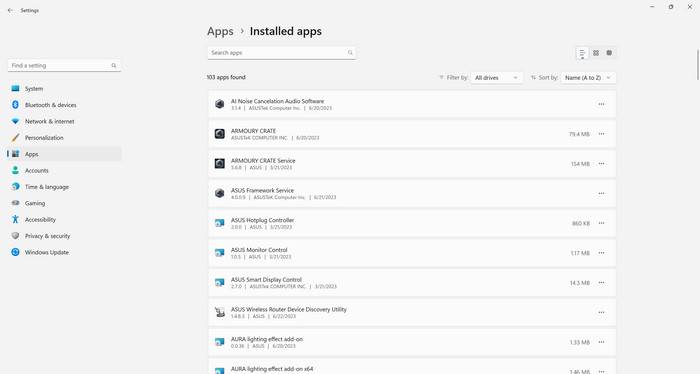
- Locate ASUS AsusVibe2.0 in the list of installed programs.
- Click on it and select “Uninstall.”
- Follow the on-screen instructions to complete the uninstallation process.
- Use a Third-Party Uninstaller: If you prefer a more thorough uninstallation process, you can use a third-party uninstaller tool such as Revo Uninstaller Free. These tools can help remove any leftover files or registry entries associated with the program.
Conclusion
ASUS AsusVibe2.0 is a pre-installed software program on many ASUS computers that provides users with a platform for accessing and downloading digital content. Whether or not you should remove it depends on your personal preferences, disk space availability, and usage patterns. Consider the factors discussed in this article and make an informed decision based on your specific needs.
If you decide to remove ASUS AsusVibe2.0, you can use the Control Panel or a third-party uninstaller tool like Revo Uninstaller Free to ensure a thorough uninstallation process. Remember to regularly evaluate the software on your computer to optimize performance and free up valuable disk space.

Join the discussion
0 commentsShare your experience or ask a question about this article.
Discussion
Start the conversation
Have a question or something useful to share? Add the first comment.