

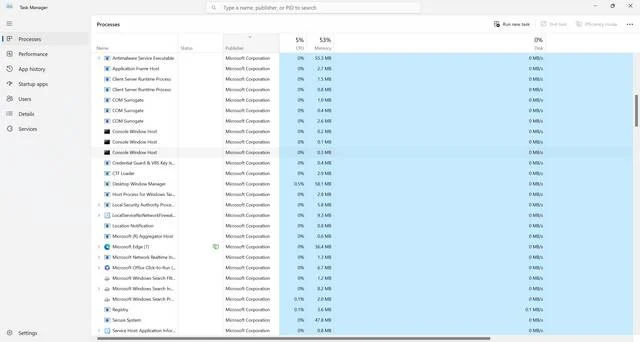
When you open the Task Manager on your Windows computer, you may notice a process called “ASUS Fan Xpert” running in the background. This might raise some questions: What is ASUS Fan Xpert? Why is it running? Is it necessary for my computer’s performance? In this article, we will explore the ASUS Fan Xpert process, its purpose, and why it appears in the Task Manager.
Understanding ASUS Fan Xpert
ASUS Fan Xpert is a software utility developed by ASUS, a leading manufacturer of computer hardware and electronics. It is designed to provide users with control over their computer’s cooling system, specifically the fans. The software allows users to adjust fan speeds, monitor temperatures, and optimize cooling performance.
ASUS Fan Xpert is typically pre-installed on ASUS motherboards and can be accessed through the ASUS AI Suite software. It provides a user-friendly interface for managing fan speeds and monitoring system temperatures. The software is especially useful for gamers, overclockers, and users who want to maintain optimal cooling for their systems.
Why Is ASUS Fan Xpert Running in Task Manager?
When you see ASUS Fan Xpert running in the Task Manager, it is because the software is actively monitoring and controlling your computer’s fans. The process ensures that the fans are running at the desired speeds and adjusts them based on the system’s temperature. This helps prevent overheating and ensures efficient cooling.
ASUS Fan Xpert runs as a background process to continuously monitor the system’s temperature and adjust fan speeds accordingly. It is a crucial component for maintaining the stability and performance of your computer, especially during resource-intensive tasks like gaming or video editing.
Is ASUS Fan Xpert Necessary?
ASUS Fan Xpert is not essential for the basic functioning of your computer. However, it plays a vital role in optimizing cooling performance and preventing overheating, particularly for users who push their systems to the limits. If you are a casual computer user who does not engage in resource-intensive activities, you may not need to actively use ASUS Fan Xpert.
That being said, it is still recommended to keep ASUS Fan Xpert running in the background, even if you are not actively using it. The software’s automatic fan control ensures that your system remains cool and stable, reducing the risk of hardware damage due to overheating.
How to Access and Use ASUS Fan Xpert
To access and use ASUS Fan Xpert, you need to have the ASUS AI Suite software installed on your computer. Here’s how you can access and use ASUS Fan Xpert:
- Open the ASUS AI Suite software. If you don’t have it installed, you can download it from the official ASUS website.
- Once the software is open, navigate to the “Fan Xpert” section.
- From here, you can adjust fan speeds, create custom fan profiles, and monitor system temperatures.
- Make sure to save any changes you make to the fan settings.
Remember, it is important to exercise caution when adjusting fan speeds. Setting the fans to run at excessively high speeds may result in increased noise levels and unnecessary wear on the fans.
Conclusion
ASUS Fan Xpert is a valuable software utility that allows users to control and optimize their computer’s cooling system. It runs as a background process in the Task Manager to monitor and adjust fan speeds based on the system’s temperature. While it is not essential for basic computer functioning, it is highly recommended for users who engage in resource-intensive activities like gaming or overclocking.
By using ASUS Fan Xpert, you can ensure that your computer remains cool and stable, reducing the risk of hardware damage due to overheating. Remember to exercise caution when adjusting fan speeds and always save any changes you make to the fan settings.
If you suspect any issues with ASUS Fan Xpert or your computer’s cooling system, it is advisable to scan your system for viruses or malware. You can use Malwarebytes Free, a trusted antivirus software, to perform a thorough scan and remove any potential threats.

Join the discussion
0 commentsShare your experience or ask a question about this article.
Discussion
Start the conversation
Have a question or something useful to share? Add the first comment.