

ASUS is a well-known brand in the world of technology, particularly for its range of laptops and computer peripherals. One of the features that comes pre-installed on many ASUS laptops is the ASUS Virtual Camera. In this article, we will explore what the ASUS Virtual Camera is, its purpose, and whether or not you should consider removing it from your device.
What is ASUS Virtual Camera?
The ASUS Virtual Camera is a software application developed by ASUS that allows users to use their laptop’s built-in camera for various purposes. It provides additional functionalities and features beyond the basic camera capabilities. The software is typically pre-installed on ASUS laptops and can be accessed through the ASUS Virtual Camera icon in the system tray or through the ASUS Splendid Video Enhancement Technology application.
ASUS Virtual Camera offers a range of features, including:
- Video recording
- Photo capturing
- Live streaming
- Video conferencing
- Face recognition
- Virtual backgrounds
These features make the ASUS Virtual Camera a versatile tool for both personal and professional use. It allows users to capture high-quality photos and videos, participate in video conferences, and add creative elements to their video streams.
Should I Remove ASUS Virtual Camera?
While the ASUS Virtual Camera offers a range of useful features, there may be instances where you might consider removing it from your device. Here are a few factors to consider:
1. Privacy Concerns
With the increasing prevalence of privacy breaches and hacking incidents, many users are concerned about the security of their personal information. If you are worried about the potential risks associated with having a camera-enabled software on your device, you may choose to remove the ASUS Virtual Camera.
However, it is important to note that ASUS takes privacy and security seriously. The company regularly releases updates and patches to address any vulnerabilities in their software. Keeping the ASUS Virtual Camera up to date can help mitigate potential risks.
2. Limited Usage
If you rarely use the camera on your ASUS laptop or prefer to use third-party applications for video conferencing or video recording, you may find that the ASUS Virtual Camera is unnecessary. Removing it can free up system resources and potentially improve the overall performance of your device.
3. Compatibility Issues
In some cases, the ASUS Virtual Camera may not be compatible with certain applications or operating systems. If you encounter compatibility issues or experience frequent crashes or errors while using the software, removing it might be a viable solution.
How to Remove ASUS Virtual Camera?
If you have decided to remove the ASUS Virtual Camera from your device, there are a few methods you can use:
1. Uninstall via Control Panel
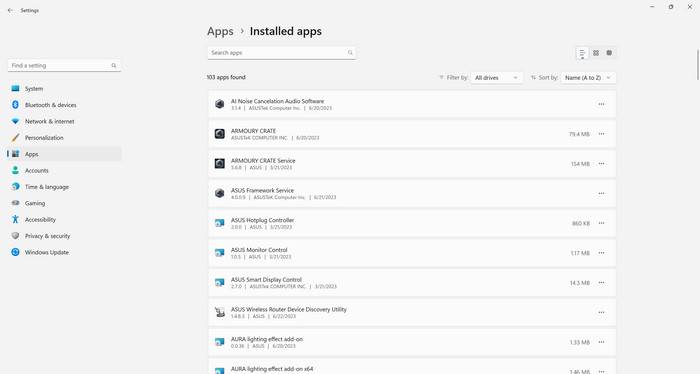
The most straightforward method is to uninstall the software through the Control Panel on your Windows device. Here’s how:
- Open the Control Panel by searching for it in the Windows search bar.
- Click on “Programs” or “Programs and Features.”
- Locate “ASUS Virtual Camera” in the list of installed programs.
- Right-click on it and select “Uninstall” or “Remove.”
- Follow the on-screen prompts to complete the uninstallation process.
2. Use a Third-Party Uninstaller
If you prefer a more thorough uninstallation process, you can use a third-party uninstaller tool like Revo Uninstaller Free. These tools can help remove any leftover files or registry entries associated with the ASUS Virtual Camera, ensuring a clean uninstallation.
Conclusion
The ASUS Virtual Camera is a feature-rich software application that enhances the functionality of the built-in camera on ASUS laptops. Whether or not you should remove it depends on your specific needs and preferences.
If you are concerned about privacy, rarely use the camera, or encounter compatibility issues, removing the ASUS Virtual Camera might be a suitable option. However, it is important to weigh the benefits and drawbacks before making a decision.
Remember, ASUS takes security seriously and regularly updates their software to address any vulnerabilities. If you choose to keep the ASUS Virtual Camera, make sure to keep it up to date to minimize potential risks.
Ultimately, the decision to remove the ASUS Virtual Camera rests with you. Consider your usage patterns, privacy concerns, and compatibility issues to make an informed choice that best suits your needs.

Join the discussion
0 commentsShare your experience or ask a question about this article.
Discussion
Start the conversation
Have a question or something useful to share? Add the first comment.