

Scammers are constantly finding new ways to deceive unsuspecting individuals and organizations. One such method is through the use of malware emails, which can cause significant harm to both personal and professional computer systems. Recently, there has been an increase in reports of a specific type of malware email targeting Australians, claiming to be from Australia Post with the subject line ‘Sending Not Delivered’. In this article, we will explore what this scam is, how it works, what to do if you have fallen victim, and provide valuable insights to help protect yourself from similar scams.
What is the ‘Sending Not Delivered’ Malware Email?
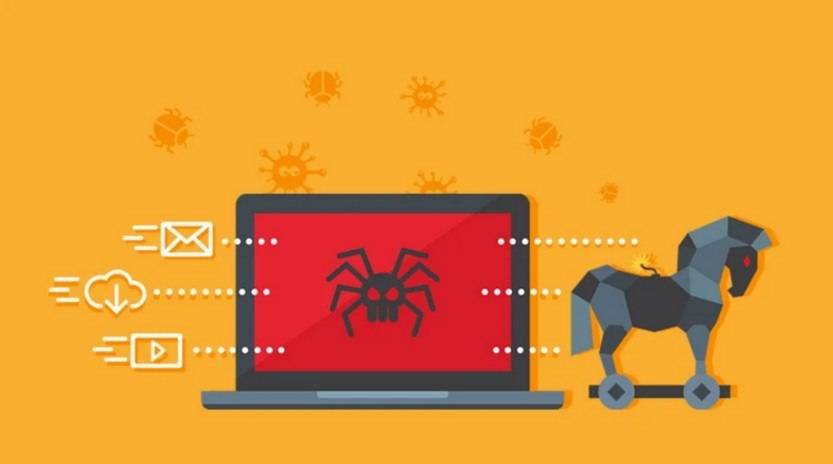
The ‘Sending Not Delivered’ malware email is a scam that targets individuals and organizations in Australia, posing as a legitimate email from Australia Post. The email typically contains a message informing the recipient that a package they sent was not delivered and provides a link or attachment to track the package or resolve the issue. However, clicking on the link or opening the attachment can result in the installation of malware on the recipient’s computer.
How Does the Scam Work?
The ‘Sending Not Delivered’ scam works by exploiting the trust people have in Australia Post as a reputable organization. The scammers send out thousands of emails, hoping that some recipients will fall for the deception and click on the malicious link or attachment. Once clicked, the malware is downloaded and installed on the victim’s computer, giving the scammers unauthorized access to sensitive information, such as login credentials, financial data, and personal details.
The scammers may also use social engineering techniques to make the email appear more convincing. They may include official-looking logos, use language that mimics Australia Post’s communication style, and create a sense of urgency or fear to prompt immediate action from the recipient.
What to Do If You Have Fallen Victim
If you have fallen victim to the ‘Sending Not Delivered’ malware email scam, it is important to take immediate action to minimize the potential damage:
- Disconnect from the internet: Unplug your computer from the network to prevent further communication between the malware and the scammer’s server.
- Scan for malware: Run a scan with a reputable antivirus or anti-malware software, such as Malwarebytes Free, to detect and remove any malicious software.
- Change passwords: Change the passwords for all your online accounts, especially those related to banking, email, and social media.
- Monitor accounts: Keep a close eye on your financial accounts and credit reports for any suspicious activity.
- Report the scam: Inform Australia Post and your local authorities about the scam to help prevent others from falling victim.
Protecting Yourself from Similar Scams
While it is impossible to completely eliminate the risk of falling victim to scams, there are several steps you can take to protect yourself:
- Be cautious of unsolicited emails: Be skeptical of emails that you were not expecting or that ask you to click on links or download attachments.
- Verify the source: Double-check the sender’s email address and look for any signs of suspicious activity or inconsistencies.
- Hover before clicking: Hover your mouse over links to see the actual URL before clicking on them. If it looks suspicious, do not click.
- Keep software up to date: Regularly update your operating system, antivirus software, and other applications to ensure you have the latest security patches.
- Enable two-factor authentication: Enable two-factor authentication whenever possible to add an extra layer of security to your online accounts.
Summary
The ‘Sending Not Delivered’ malware email scam targeting Australians is a concerning trend that highlights the need for increased vigilance and awareness. By understanding how the scam works and taking proactive measures to protect yourself, you can significantly reduce the risk of falling victim to such scams. Remember to always be cautious of unsolicited emails, verify the source before clicking on any links or attachments, and keep your software up to date. By staying informed and taking appropriate action, you can help protect yourself and others from falling victim to malware email scams.

Join the discussion
0 commentsShare your experience or ask a question about this article.
Discussion
Start the conversation
Have a question or something useful to share? Add the first comment.