

You see the ad in your feed and it feels almost tailor-made: a simple patch, “effortless” results, no diet changes, no gym guilt, and claims that sound suspiciously close to prescription weight loss drugs.
Berberine Gentle Patches are being sold across multiple websites with big promises, glossy before-and-after photos, and urgency timers. In practice, products like this often follow a familiar pattern: aggressive marketing, vague “science” language, questionable proof, and a checkout flow that can leave buyers dealing with unexpected charges, subscriptions, or a return process that goes nowhere.
If you are trying to decide whether to buy Berberine Gentle Patches, here’s the honest breakdown, what to watch for, and what to do if you already ordered.
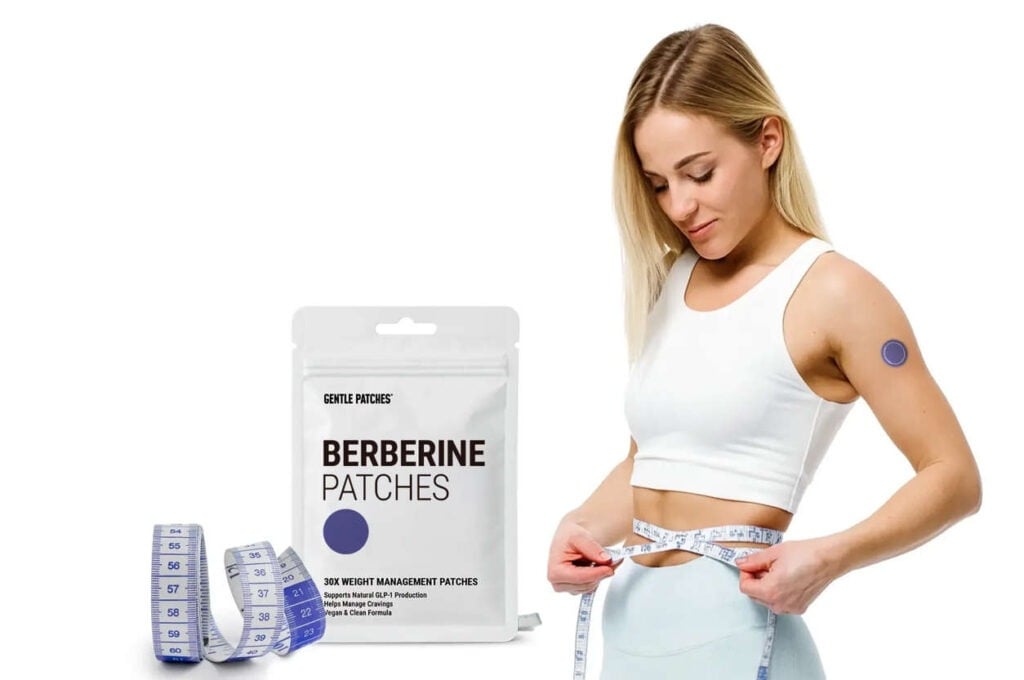
What Berberine Gentle Patches Claim to Do
Most listings for berberine weight patches pitch a mix of these promises:
- Rapid weight loss, especially belly fat
- Appetite control and fewer cravings
- “Metabolism activation” and “fat burning”
- “GLP-1 support” or comparisons to GLP-1 medications
- Better blood sugar balance
- All-day effects from one patch
- “Clinically proven” results without clear citations
The problem is not that berberine is a made-up ingredient. Berberine is a real compound commonly sold as an oral supplement. The issue is the leap from “berberine exists” to “a skin patch can reliably deliver it and produce dramatic weight loss.”
The Biggest Issue: Patch Delivery vs Real-World Evidence
Transdermal products (patches) can work for certain drugs, but it depends heavily on the molecule, the dose required, and the patch design.
With berberine patches, the big questions are:
- What dose is actually delivered through the skin?
- Is that dose consistent day to day?
- Is there independent testing showing the patch delivers a meaningful amount?
- Are there human clinical studies on this exact patch product?
In most “miracle patch” campaigns, those answers are missing. You get marketing graphics instead of real data.
Why This Product Type Is Often Better to Avoid
When a product is sold on many different sites under different brand names, with very similar ad creatives and identical claims, it is frequently a sign of a dropshipping-style distribution model.
That does not automatically prove a product is a scam, but it strongly raises risk for buyers because it often comes with:
- Little accountability for quality control
- No clear manufacturer identity
- Limited customer support
- Return addresses that are impractical (often overseas)
- Policies that look consumer-friendly until you try to use them
If your goal is safe, predictable results and a fair refund process, this is usually not the category to gamble on.
Red Flags to Watch Out For
Here are the warning signs that show up again and again with berberine “weight loss patch” offers:
Unrealistic weight loss claims
Promises like “lose 10 pounds in a week” or “melt belly fat fast” are classic bait. Sustainable weight loss rarely happens on a timeline like that, especially without lifestyle changes.
“10-in-1 miracle” marketing
When one product claims to do everything, weight loss, detox, blood sugar, hormones, cravings, energy, sleep, inflammation, it usually means the claims are not grounded in solid evidence.
GLP-1 drug comparisons without proof
GLP-1 medications are prescription drugs with clinical trial data and known side effects. A patch that implies similar outcomes without comparable evidence is a major credibility problem.
Vague “FDA approved” or “clinically proven” language
Many sites use fuzzy wording that sounds official but does not actually show approval, registration, or real clinical trials for the exact product being sold.
Disease-related health claims
Claims about treating diabetes, reversing disease, or delivering medical outcomes are a giant red flag, especially when it is marketed like a simple cosmetic-style product.
Stock or reused before-and-after photos
If images look overly polished, watermarked, duplicated across different brands, or inconsistent with the product timeline, assume the proof is marketing, not evidence.
Lack of independent clinical studies
If there are no third-party studies on the patch, and no independent lab testing for what is in the patch, you are buying blind.
Aggressive ads and urgency-based discounts
Countdown timers, “only today,” “limited stock,” and “sold out soon” are often engineered for pressure, not accuracy.
Limited transparency about the company
No real business address, no clear ownership, no verifiable company history, and generic support emails are all risk signals.
Overpromising results without lifestyle changes
“Eat what you want” and “no exercise needed” is one of the biggest tells that the product is being sold with unrealistic expectations.
How This Type of Offer Typically Works
This is the pattern many buyers report with similar “patch” campaigns:
Step 1: Viral ads and emotional hooks
Short-form video ads sell the dream: effortless results, quick transformations, and “secret” science.
Step 2: A landing page built for urgency
You see discount banners, scarcity counters, and oversized review widgets. The goal is to get you to buy before you slow down and verify anything.
Step 3: Checkout that nudges bigger bundles
You are pushed toward 3-month and 6-month bundles “for best results” which also increases the amount at risk if the product disappoints.
Step 4: Post-purchase surprises
Common complaints across dropship-style offers include:
- Auto-enrollment in subscriptions unless you opt out perfectly
- Multiple charges split across different merchant names
- Upsells that look like confirmations
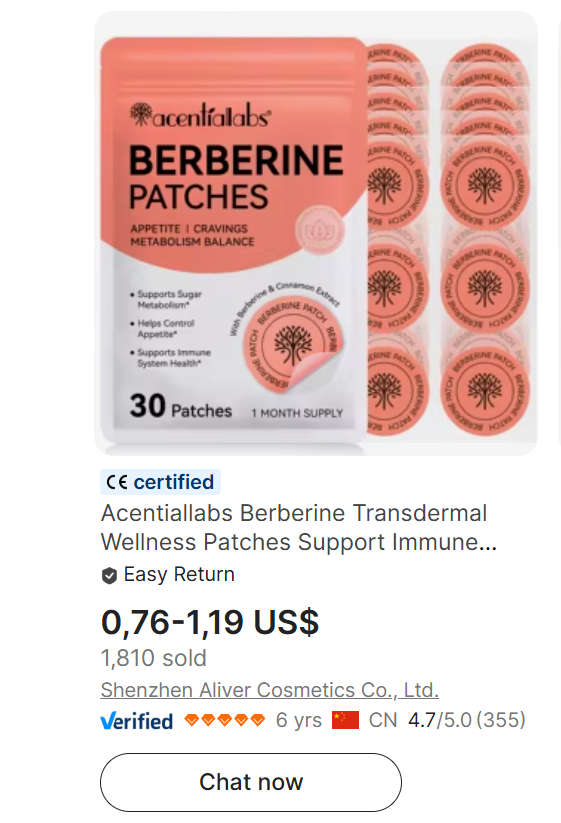
Step 5: Slow shipping and unclear tracking
Packages may arrive much later than expected, sometimes from overseas fulfillment.
Step 6: Refund process that goes in circles
Buyers often report that refunds require:
- Returning the item to an overseas address (often China)
- Paying return shipping yourself
- Proving delivery with tracking
- Tight deadlines and strict packaging rules
Even if a refund is “technically” allowed, the process can be structured so most people give up.
If You Already Bought Berberine Gentle Patches: What to Do Now
1) Check your bank or card statement carefully
Look for:
- Extra charges beyond what you expected
- Recurring charges (subscriptions)
- A different merchant name than the website brand
2) Screenshot everything
Save:
- The product page claims
- The price you paid
- Order confirmation
- Email receipts
- Return policy page
- Any chat transcripts
3) Try to cancel any subscription in writing
Email support and state clearly:
- You are canceling any recurring billing
- You want written confirmation
- You do not authorize further charges
4) If charges continue, contact your bank or card issuer
Ask about:
- Blocking the merchant
- Cancelling the card if necessary
- Filing a dispute or chargeback for unauthorized or misleading charges
5) Do not rely on “return to China” as your only path
If the seller requires costly international return shipping and becomes unresponsive, document it. That documentation can matter during disputes.
6) Report the website if it appears deceptive
Depending on your country, you can report misleading ads or online shopping scams to consumer protection agencies. If you’re in the US, the FTC’s fraud reporting is a common route.
7) Watch for follow-up scams
People who buy from aggressive ad funnels sometimes get targeted again with “refund assistance” scams. Only work with your bank or official consumer protection channels.
So, Should You Buy Berberine Gentle Patches?
If the product is being sold through multiple lookalike websites, relies on exaggerated claims, implies GLP-1-like results without proof, and is paired with refund policies that effectively require overseas shipping, the risk is high.
For most shoppers, it is smarter to avoid Berberine Gentle Patches and choose options that are easier to verify and easier to return.
Safer Alternatives
If you are interested in berberine specifically:
- Consider reputable, well-known supplement brands sold through established retailers.
- Look for clear labeling, transparent dosing, and third-party testing or Certificates of Analysis when available.
- If you have medical conditions, take medications, or are trying to manage blood sugar or weight, talk to a clinician first. Berberine can interact with some medications and may not be appropriate for everyone.
If your goal is meaningful weight loss, the most reliable path is still:
- A realistic nutrition plan you can sustain
- Activity you can keep doing long-term
- Medical guidance if you suspect hormonal, metabolic, or medication-related drivers
FAQ: Berberine Gentle Patches
Are Berberine Gentle Patches legit?
They are real products being sold online, but many listings rely on marketing that is hard to verify. The biggest concern is the lack of independent evidence for dramatic results and the high-risk sales and refund patterns seen across multi-site offers.
Do berberine patches work for weight loss?
There is a big difference between berberine as an oral supplement and a patch claiming to deliver results through the skin. Many patch listings do not provide convincing independent proof of effective delivery or outcomes.
Why are these patches sold under different names?
That often happens in dropshipping ecosystems where multiple sellers use the same or similar product while changing the branding, website, and ad creatives.
Are “GLP-1 patch” claims trustworthy?
Be very cautious. GLP-1 medications are prescription drugs with clinical trial data. A patch implying similar results should be backed by strong, specific evidence for that exact product, not vague claims.
What are common complaints from buyers?
Reported issues often include delayed shipping, difficulty contacting support, unexpected recurring charges, and refund processes that require expensive overseas returns.
How do I know if I was signed up for a subscription?
Check your confirmation email and your bank statement over the next few weeks. Look for recurring charges or new charges with slightly different amounts. If you see repeat billing, contact your card issuer quickly.
What should I do if the company refuses a refund unless I ship to China?
Document the policy, the communications, and any unresponsiveness. Then contact your bank or card issuer about a dispute, especially if the product or terms were misleading or if recurring charges occurred.
Is berberine itself safe?
Berberine is commonly used, but it is not “risk-free.” It can cause side effects for some people and may interact with medications. If you are pregnant, breastfeeding, managing a medical condition, or taking prescriptions, get medical guidance first.
What’s a better way to buy berberine if I want to try it?
If you choose to try berberine, stick to established retailers and brands with clear dosing, transparent sourcing, and a return process that does not involve international shipping.
What’s the bottom line?
If a product is marketed as a miracle patch with big weight loss claims, vague “clinical proof,” and a refund policy that is hard to use in real life, it is usually not worth the risk.
If you want, paste the product URL (or the refund policy text) from the specific site you’re looking at, and I’ll rewrite the “Red Flags” and “How the scam works” sections to match that exact listing word-for-word style without quoting them.

Reviews & discussion
2 commentsShare a firsthand experience, or ask a question.
Community reviews
Berberine Gentle Patches
Moderated reader experiences, not an editorial verdict.
I received 30 berberine patches and last night put on 2 patches on my tummy and one pactch each on my breasts; I’m a male person. how many patches do i put on evey 8 hours?
thanks for letting me know.
In reply to James Rehder
I can’t tell you how many patches to use or where to apply them. With these patch products, ingredient and dosage claims are often unclear, and applying multiple patches can increase the risk of skin reactions or other side effects.
Safer steps:
Follow only the instructions printed on the packaging. If there are no clear instructions, stop using it.
Do not apply to sensitive areas (like the chest) if you notice any irritation.
If you have any medical conditions or take medications, check with a doctor or pharmacist before using it.
If you feel unwell, develop a rash, burning, or swelling, remove the patches and seek medical advice.
If this was purchased from an ad that made big health claims, it may be worth treating as a scam purchase and disputing the charge with your payment provider.