

Online trading and investing come with many risks, including devastating losses from get-rich-quick schemes. Unfortunately, scammers are now capitalizing on these risks by advertising a fake “crypto recovery service” called Grayhathacks Contractor. This convincing scam promises to help victims recover lost funds, but instead takes even more of your hard-earned money.
This in-depth article reveals their deceptive tactics, how to protect yourself, and what to do if you were already deceived by the false promises of Grayhathacks.
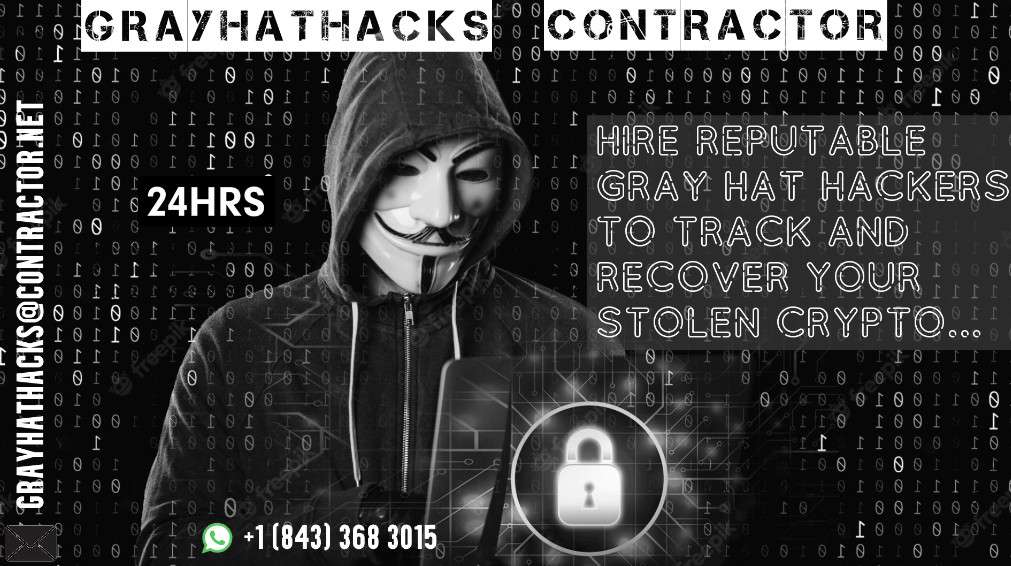
Overview of the Grayhathacks Contractor Crypto Recovery Scam
The Grayhathacks Contractor scam typically begins with social media ads or spam in Google search results promoting the services of “Grayhathacks Contractor.” These ads claim this hacker group can recover crypto, stocks, or funds lost to online trading scams.
The scam ads and listings urge victims to contact Grayhathacks Contractor via email or WhatsApp. They promise that this team of “white hat hackers” can assess your situation and get back any money you lost. The ads claim that Grayhathacks has a proven track record of recovering victims’ funds.
However, Grayhathacks Contractor does not actually exist. The ads are a complete scam designed to trick victims into paying even more money to cybercriminals. Unfortunately, many victims fall for this false promise of recovering their losses. Once contacted, the scammers posing as Grayhathacks Contractor convince victims to pay exorbitant upfront fees, after which no services are provided.
How the Grayhathacks Contractor Scam Works
Here is a step-by-step look at how this crypto recovery scam operates:
Step 1: Scam Ads Lure Victims
The scam begins with fake ads or listings for Grayhathacks Contractor posted online. These ads are designed to be discovered by people who have recently fallen victim to a trading or crypto scam. The ads promise that Grayhathacks can recover any lost money.
Step 2: Initial Contact
Victims then contact Grayhathacks Contractor via email or WhatsApp using the provided details. The scammers posing as Grayhathacks respond quickly to establish legitimacy and urgency.
Step 3: Fake Assessment
The scammers claim they will thoroughly assess the victim’s case to determine if the stolen funds can be recovered. They ask for detailed information about the initial scam, lost funds, and crypto wallets.
Step 4: Fake Service Fees Demanded
After the “assessment”, the scammers inform victims that the stolen funds can indeed be recovered. However, they claim significant upfront fees must be paid for the crypto recovery services. These fees can be upwards of $5,000 or more.
Step 5: No Services Provided
Victims are instructed to pay the fee to a crypto wallet address provided. However, after sending the money, no recovery services are actually provided. The scammers take the money and immediately cease communication.
Step 6: No Recourse
Left with even greater losses, victims have no way to get their money back or hold the scammers accountable. The crypto transactions are untraceable, and Grayhathacks Contractor does not actually exist.
What to Do if You Are a Victim of This Scam
If you have fallen prey to the Grayhathacks Contractor scam, it is crucial to take swift action to protect yourself from further losses. Here are the detailed steps to take:
- Immediately cease all communication with the scammers. Do not respond to any more emails, texts, or calls from the individuals posing as Grayhathacks Contractors. Ignore any further attempts to request more money. Cut off all contact right away.
- Report the scam to authorities. File reports with the Federal Trade Commission (FTC) at ReportFraud.ftc.gov and the Securities and Exchange Commission (SEC) at SEC.gov/tcr. Provide as many details as possible about how you were targeted and scammed.
- Inform your wallet provider or exchange. If you sent cryptocurrency from a wallet or exchange account, urgently contact their fraud department for assistance. Ask them to attempt blocking the recipient address to prevent the scammers from cashing out.
- Contact law enforcement. Some victims have been able to successfully work with law enforcement cybercrime units to potentially trace crypto transactions or identify the scam perpetrators.
- Hire a lawyer. Retain legal counsel who specializes in cryptocurrency fraud. They may be able to send cease-and-desist letters or otherwise pursue legal avenues for holding the scammers accountable. This increases chances of recovering losses.
- Warn other potential victims. Wherever you encountered the Grayhathacks Contractor ads or listings, report them as fraudulent. Share your experience on social media and online crypto forums to spread awareness about this scam.
- Avoid unknown recovery services. Never trust any unknown people or groups offering cryptocurrency recovery services. These purported services are almost universally scams aiming to defraud victims again. Only work with reputable legal professionals.
- Learn from the experience. In the future, exercise far more caution with online trading, investment opportunities, and cryptocurrency transactions. Never make rushed decisions based on unlikely promises of high returns. Thoroughly vet any advisor or platform first.
- Seek emotional support if needed. Losing substantial funds can be very traumatic and emotionally taxing. Do not hesitate to seek counseling or join a support group to help process the aftermath.
With vigilance, timely reporting, and assistance from legal authorities, some victims have been able to reclaim partial or full losses. The sooner you take action, the better your chances. Do not let the Grayhathacks scammers get away with these egregious acts of fraud targeting vulnerable people.
Frequently Asked Questions About the Grayhathacks Contractor Crypto Recovery Scam
1. What is Grayhathacks Contractor?
Grayhathacks Contractor is a fake crypto recovery service used by scammers to defraud victims who have already lost money in trading or cryptocurrency scams. Scam ads promote Grayhathacks Contractors as a team of hackers who can recover stolen funds, but it does not actually exist.
2. How do the Grayhathacks Contractor scammers find victims?
The scammers post ads for Grayhathacks Contractor in Google search results and on social media platforms using keywords targeted to those seeking help after being scammed. The ads are optimized to appear legitimate.
3. What techniques do the scammers use?
The scammers build trust through fake reviews, claims of past recovery successes, and by demonstrating deep knowledge of the crypto recovery process. They provide detailed consultations to victims assessing if funds can be recovered.
4. What fees do the scammers ask for?
Victims are told there are required upfront service fees before recovery can begin, such as 0.5 BTC. No services are actually rendered after victims pay these substantial fees.
5. How much have victims lost in this scam?
Reported losses range from $5,000 to over $100,000 USD in addition to the victims’ prior losses from other scams. The scammers quickly disappear after receiving payment.
6. Where are the Grayhathacks Contractor scam ads found?
The scam ads appear in Google search results, Google Ads, Facebook, Instagram, X (Twitter), Quora, and YouTube comments. The scammers frequently shift tactics and locations.
7. How can I avoid this scam?
Be wary of any crypto recovery service ads or listings online. Do not trust any offer to recover lost funds, as these services are nearly all scams seeking to defraud victims again.
8. What should I do if I already contacted them?
Immediately cease all communications and do not provide any personal information or pay any requested fees. Report the scam to authorities.
9. Can victims recover their lost money?
Unfortunately recovery is very rare since the crypto transactions are untraceable. Law enforcement or legal counsel may be able to provide help pursuing options.
10. Where can I report this scam?
Report the Grayhathacks Contractor scam to the FTC at ReportFraud.ftc.gov and the SEC at SEC.gov/tcr. Warn others online.
The Bottom Line
The Grayhathacks Contractor scam preys on vulnerable victims who have already suffered significant financial losses. By tempting victims with false promises, the scammers behind this scheme have been able to defraud countless people.
If an investment sounds too good to be true, it always is. Contact authorities immediately if you encounter this or any similar crypto recovery scam. Avoid becoming even greater prey to cybercriminals peddling false hope.

Join the discussion
0 commentsShare your experience or ask a question about this article.
Discussion
Start the conversation
Have a question or something useful to share? Add the first comment.