

A text message claiming to offer remote work for “WBD Global Streaming” may look like an easy way to earn extra money from home. The message often promises high daily pay for simple online tasks such as watching videos, rating apps, or reviewing streaming content.
But this is not a real job offer from Warner Bros. Discovery. It is a phishing and task scam designed to collect personal information, move victims onto WhatsApp, and eventually pressure them into sending money.

Scam Overview
The WBD Global Streaming scam text is a fake job offer message that abuses the name and credibility of Warner Bros. Discovery, often shortened as WBD. The scammers pretend to represent a streaming, media, or entertainment-related hiring team and claim they are recruiting people for simple remote work.
The message usually arrives by SMS, WhatsApp, iMessage, or another messaging platform. It may say the recipient has been selected for a flexible online job, part-time role, or “global streaming” opportunity. In many versions, the fake job claims people can earn between $100 and $800 per day by doing easy tasks from a phone.
That is one of the first red flags.
Legitimate companies do not randomly text strangers promising hundreds of dollars per day for vague online work. Real remote jobs involve a proper hiring process, a verified company email address, clear job descriptions, interviews, tax paperwork, and official onboarding. Scam texts skip all of that and try to create instant interest with unrealistic pay.
The scammers know that many people are looking for flexible work. Some want a side income. Others are trying to work from home while caring for children, studying, or managing bills. A message that says you can make $100, $300, or even $800 per day by watching videos can feel tempting, especially if it appears to be linked to a major entertainment company.
That is exactly why the scam works.
The criminals behind these messages are not offering employment. They are using the idea of a job as bait. Their real goal is to move you into a private conversation, usually on WhatsApp or Telegram, where they can control the conversation and guide you through a fake “training” or “task” system.
The scam may begin gently. The person messaging you may sound polite, professional, and helpful. They may say the job is simple, flexible, and suitable for beginners. They may claim you only need a phone, an internet connection, and a few minutes per day.
Common fake tasks include:
- Watching short videos
- Rating streaming content
- Reviewing apps
- Liking movies or shows
- Testing entertainment platforms
- Clicking links
- Completing “optimization” tasks
- Submitting screenshots
- Creating an account on a fake work platform
At first, the scam may appear harmless. Some victims are even shown a fake account balance or receive a small payment to build trust. That small payment is not proof the job is real. It is a psychological trick. Scammers often send a tiny amount of money early in the process so victims believe the system works.
Once trust is built, the tone changes.
The victim may be told they need to deposit money to unlock higher-paying tasks. The scammer may call it a “recharge,” “prepayment,” “activation fee,” “commission deposit,” “task reset,” or “VIP upgrade.” The wording changes, but the purpose is always the same: to get the victim to send money.
In many cases, the scam becomes a classic task scam. Victims complete fake assignments on a fake website or app, see fake earnings increase, and are then told they must pay more to withdraw their money. The platform may show a balance of $500, $1,200, or even more, but that balance is not real. It is just numbers controlled by the scammers.
The WBD Global Streaming name is used to make the fake opportunity feel official. The scammers may mention Warner Bros. Discovery, HBO, Max, streaming content, entertainment reviews, or global media tasks. Some messages may use a logo or profile picture that looks professional. Others may include job titles such as “recruiter,” “HR assistant,” “online promotion manager,” or “streaming task coordinator.”
This does not make the offer legitimate.
A real company will not ask applicants to pay money to receive wages. A real recruiter will not move the entire hiring process to WhatsApp and ask for crypto, bank transfers, gift cards, or payment through suspicious third-party platforms. A real remote job will not require you to deposit your own money before you can withdraw your salary.
The scam can also involve personal data theft. Before asking for money, scammers may request information such as:
- Full name
- Phone number
- Email address
- Home address
- Date of birth
- Bank details
- Payment app usernames
- Photos of identification documents
- Screenshots of payment accounts
- Cryptocurrency wallet information
This information can be used for identity theft, account takeover attempts, future scam targeting, or resale to other criminals.
The scam may also lead to malware or phishing websites. Some fake WBD Global Streaming messages include links that direct victims to unofficial websites. These sites may imitate job portals, streaming platforms, dashboard systems, or payment pages. They can be used to steal login credentials, collect financial information, or trick users into installing suspicious apps.
The most important thing to understand is this: the WBD Global Streaming job offer text is not a normal employment message. It is a staged scam that starts with an attractive job promise and often ends with stolen money, stolen personal information, or both.
Common WBD Global Streaming Scam Text Examples
The wording can vary, but many messages follow the same pattern. They usually mention easy remote work, high pay, flexible hours, and WhatsApp contact.
Examples may look like this:
“Hello, we are WBD Global Streaming. We are hiring part-time remote workers to watch videos and review content. You can earn $100-$800 per day. Flexible time. Contact us on WhatsApp for more details.”
Another version may say:
“WBD Global Streaming is recruiting online assistants. No experience required. Work from home using your phone. Daily salary $150-$500. Add our manager on WhatsApp to start.”
Some versions may sound more casual:
“Hi, are you interested in a remote job? WBD Global Streaming needs people to review apps and videos. Earn up to $800 daily. Reply YES for details.”
Other versions may try to create urgency:
“Limited positions available for WBD Global Streaming online tasks. Simple job, high salary, no experience needed. Contact HR on WhatsApp today.”
These messages are designed to make the offer sound simple and low-risk. But the details are intentionally vague. The scammers usually do not provide a legitimate company email, official job posting link, verified recruiter profile, or proper employment documentation.
Why Scammers Use the WBD Name
Scammers often impersonate well-known companies because famous names create instant trust. Warner Bros. Discovery is connected to major entertainment brands, streaming platforms, films, television, and global media. That makes the name useful for scammers pushing fake streaming-related jobs.
The phrase “WBD Global Streaming” sounds believable because it combines a recognizable abbreviation with broad words such as “global” and “streaming.” It feels corporate enough to seem official, but vague enough that the scammer does not need to explain much.
This is a common scam strategy. Criminals borrow the reputation of real companies to make fake messages look safer. They may impersonate:
- Streaming companies
- Movie studios
- Social media platforms
- Online retailers
- Delivery companies
- Banks
- Payment apps
- Job recruitment agencies
- Marketing platforms
The goal is not to accurately represent the company. The goal is to get the recipient to respond before thinking too carefully.
Once the victim replies, the scammer can start building trust.
Red Flags in the WBD Global Streaming Scam Text
The scam can look convincing at first, but there are usually clear warning signs.
The Pay Is Too High for the Work
Promises such as $100 to $800 per day for watching videos, reviewing apps, or clicking buttons should be treated with extreme caution.
Simple online tasks do not normally pay hundreds of dollars per day. When a message promises high income for very easy work, the “job” is usually bait.
You Were Contacted Randomly
Real recruiters may contact people, but legitimate hiring messages are usually specific. They mention your experience, a real job title, a company email, and a verifiable application process.
Scam messages often arrive out of nowhere and treat anyone as qualified.
The Job Description Is Vague
A real job posting explains responsibilities, requirements, payment structure, company details, and legal employment terms.
The scam text usually says things like:
- “Watch videos”
- “Review content”
- “Complete tasks”
- “Like apps”
- “Optimize data”
- “Help merchants”
- “Work from phone”
These phrases sound simple, but they do not describe a real role.
The Conversation Moves to WhatsApp
Many scam texts push victims to WhatsApp or Telegram. This helps scammers avoid email security filters, platform moderation, and official hiring channels.
A legitimate recruiter may communicate by phone or messaging after a formal application, but they will not conduct an entire fake job onboarding through a personal WhatsApp account.
They Ask You to Pay to Work
This is the biggest red flag.
You should never have to deposit money, recharge an account, buy crypto, purchase gift cards, or pay a fee to receive wages. Any job that requires you to send money before getting paid is highly suspicious.
They Show Fake Earnings
Scammers often use fake dashboards to show your “income” growing. The balance may appear real, but it is controlled by the scammers.
The moment you try to withdraw, they may demand more money.
They Use Pressure and Urgency
Scammers may say you must act quickly, complete a task immediately, or pay a fee before a deadline. This pressure is designed to stop you from slowing down and checking the facts.
They Ask for Sensitive Information
A fake recruiter may request ID photos, bank details, payment app screenshots, or personal data early in the process. This can lead to identity theft or financial fraud.
How The Scam Works
The WBD Global Streaming scam usually unfolds in stages. Each step is designed to make the victim feel more comfortable before the scammers ask for money or sensitive information.
Step 1: The Fake Job Text Arrives
The scam starts with a message claiming that WBD Global Streaming is hiring remote workers. The message may say the job is part-time, flexible, and open to people with no experience.
The offer is made to sound easy. You may be told you can work from home, use your phone, and earn money by doing small entertainment-related tasks.
The scammer may use wording like:
- “No experience required”
- “Daily payment”
- “Simple tasks”
- “Work from anywhere”
- “Flexible schedule”
- “High salary”
- “Immediate start”
The goal is to get a reply.
Even a simple response such as “interested” tells the scammer that your number is active and that you may be open to the offer.
Step 2: The Victim Is Moved to WhatsApp
After the first reply, the scammer usually asks the victim to continue the conversation on WhatsApp. They may claim that a hiring manager, training assistant, or supervisor will explain the job.
This move is important for the scammer. WhatsApp allows them to send messages quickly, use fake profile photos, share links, and create a more personal relationship with the victim.
They may introduce themselves as someone from HR or a recruitment department. Their profile may show a corporate-looking photo, logo, or professional name.
Do not rely on profile pictures or display names. These can be easily copied or faked.
Step 3: The Fake Recruiter Explains the “Job”
The scammer then explains that the job involves completing simple online tasks. These tasks are often described as helping streaming content, media campaigns, app rankings, or platform visibility.
They may say your work helps improve video performance, promote entertainment content, increase views, or test online systems.
This language is intentionally vague. It gives the illusion of a digital marketing or streaming-related role without explaining a real business model.
The scammer may also say that payment is based on completed tasks. For example:
- Complete 10 tasks and earn $50
- Complete 30 tasks and earn $150
- Unlock higher levels for better commissions
- Finish a task package to withdraw your earnings
This structure is designed to pull the victim deeper into the system.
Step 4: The Victim Is Sent to a Fake Platform
Next, the victim may be asked to register on a website or app. The site may look like a work dashboard, streaming platform, task center, or commission system.
The website may show:
- Account balance
- Task list
- Completed orders
- Pending commissions
- Withdrawal button
- Customer support chat
- VIP levels
- Recharge options
This platform is not a real employment system. It is controlled by the scammers.
Everything on the dashboard can be manipulated, including your balance, task status, and withdrawal eligibility.
Step 5: The Scammer Builds Trust With Small Rewards
Some victims may receive a small payment early in the scam. It might be $5, $10, $20, or another small amount. This is not real proof of employment. It is a trust-building tactic.
The scammer invests a small amount to make the victim believe larger earnings are possible.
Once the victim thinks, “I actually got paid,” they are more likely to follow the next instructions.
This is how many task scams become dangerous. The first small payment lowers suspicion and creates confidence in the fake system.
Step 6: The Victim Is Asked to “Recharge” or Deposit Money
After the trust-building stage, the scammer introduces the real trap. The victim is told they need to add money to continue working, unlock tasks, complete a package, or withdraw earnings.
The request may be framed as:
- “Recharge your account”
- “Complete the task set”
- “Unlock premium tasks”
- “Activate your withdrawal”
- “Pay the merchant order”
- “Clear the negative balance”
- “Upgrade to VIP”
- “Make a refundable deposit”
The scammer may promise the money will be returned with profit. They may say the deposit is temporary, required by the system, or part of the task.
This is false.
Once you send money, the scammer controls the next move. They may let you see a fake increased balance, but they will not let you freely withdraw.
Step 7: The Fake Balance Grows
The platform may show your earnings increasing after each task. This is designed to make you believe you are close to a big payout.
For example, your dashboard may show:
- $180 earned
- $420 pending
- $1,200 available after task completion
- $2,500 locked until withdrawal verification
The numbers can become very convincing. Victims may feel they have already earned the money and only need to pay one more fee to access it.
This is one of the most painful parts of the scam. The victim is not just trying to make money anymore. They are trying to recover what they believe they already earned.
Step 8: Withdrawal Is Blocked
When the victim tries to withdraw, the excuses begin.
The scammer may say:
- Your account needs verification
- You must pay a tax fee
- You made a task error
- Your balance is frozen
- You need to complete one more order
- You triggered a system review
- You must pay a security deposit
- You must upgrade your account
- You need to pay a withdrawal processing fee
Each new payment is presented as the final step. But after paying, another obstacle appears.
This can continue until the victim runs out of money or refuses to pay more.
Step 9: The Scammer Uses Pressure and Emotional Manipulation
If the victim hesitates, the scammer may become more aggressive. They may say the account will be frozen, the earnings will expire, or the opportunity will be lost.
They may also pretend to be supportive. They might say they have helped other workers withdraw money, or that the victim is “almost finished.”
Some scammers even encourage victims to borrow money from friends or family. Others suggest using credit cards, loans, crypto, or payment apps.
The purpose is to keep the victim paying.
Step 10: The Scammer Disappears or Blocks the Victim
Eventually, the scammer may stop responding. The fake website may go offline. The WhatsApp account may block the victim. A new “support agent” may appear and demand even more money.
At this stage, victims usually realize there was no job, no real salary, and no legitimate WBD Global Streaming employment opportunity.
The money sent is often difficult to recover, especially if it was paid through cryptocurrency, wire transfer, gift cards, or peer-to-peer payment apps.
What The Scammers May Steal
The WBD Global Streaming scam is not only about money. It can also expose victims to identity theft and future fraud.
Scammers may collect:
- Personal contact details
- Copies of ID documents
- Banking information
- Crypto wallet addresses
- Payment app details
- Email addresses
- Passwords
- Screenshots of accounts
- Location information
- Employment history
- Social media profiles
Even if you did not send money, sharing personal information can still create risk. Scammers may use that data to target you again, impersonate you, or attempt account recovery attacks.
Why This Scam Feels Convincing
Many people assume scams are obvious, but modern job scams can be polished. The WBD Global Streaming scam may use professional wording, fake dashboards, friendly recruiters, and realistic-looking onboarding steps.
It feels convincing because it mixes a real-world desire with a familiar brand name.
People want remote work. They want flexible income. They recognize entertainment and streaming companies. They may believe large media companies need people to test videos, review apps, or help with online promotion.
The scam also uses gradual commitment. It does not always ask for money immediately. Instead, it starts with conversation, then training, then a task, then a small reward, then a deposit. Each step feels slightly more normal because the victim has already completed the previous step.
That slow progression is what makes task scams so effective.
How to Tell If a WBD Job Offer Is Real
A legitimate job opportunity connected to Warner Bros. Discovery should be verifiable through official channels.
Before trusting any job offer, check the following:
Look for an Official Job Posting
Real jobs are usually listed on the company’s official careers website or trusted job boards. If the recruiter cannot provide a verifiable job listing, be careful.
Check the Email Domain
Legitimate recruiters typically use official company email addresses. Be suspicious of recruiters using Gmail, Outlook, Yahoo, random domains, or only WhatsApp.
Search the Exact Job Title
Copy the job title and search for it online. If the same wording appears in scam warnings, copied posts, or unrelated websites, that is a major warning sign.
Never Pay to Get Paid
No legitimate employer asks workers to deposit money before receiving wages. This rule alone can protect you from most task scams.
Verify Before Sharing Personal Data
Do not send ID photos, bank details, or sensitive information through WhatsApp to someone who contacted you randomly.
Be Careful With Links
Do not click links from unsolicited job texts. They may lead to phishing pages, fake login screens, malware downloads, or scam platforms.
What To Do If You Have Fallen Victim to This Scam
If you responded to a WBD Global Streaming scam text, sent personal information, clicked a link, or paid money, act quickly. Stay calm and focus on limiting further damage.
1. Stop All Communication With the Scammer
Do not continue arguing, negotiating, or asking the scammer for your money back. They may use the conversation to pressure you into sending more.
Block the number on SMS, WhatsApp, Telegram, or any other platform where they contacted you.
Do not trust new people who suddenly appear claiming they can help recover your money.
2. Do Not Send Any More Money
Scammers often promise that one final payment will unlock your funds. This is almost always another lie.
Do not pay:
- Withdrawal fees
- Tax fees
- Account unlock fees
- Security deposits
- Task completion payments
- Crypto verification fees
- Recovery fees
If the platform says you must pay to withdraw, assume the money displayed is fake.
3. Take Screenshots and Save Evidence
Before deleting anything, save evidence. This may help your bank, payment provider, law enforcement, or reporting agencies.
Save:
- The original scam text
- WhatsApp conversations
- Phone numbers
- Website links
- Fake recruiter names
- Payment receipts
- Crypto wallet addresses
- Bank transfer details
- Screenshots of the fake dashboard
- Any emails or documents received
Keep the evidence organized in a folder.
4. Contact Your Bank or Payment Provider Immediately
If you sent money by bank card, bank transfer, payment app, or another financial service, contact the provider as soon as possible.
Explain that you were targeted by a job scam and ask if they can:
- Stop pending payments
- Reverse unauthorized transactions
- Open a fraud dispute
- Block future payments
- Replace your card
- Monitor your account for suspicious activity
Speed matters. Some transactions may be harder to reverse after they settle.
5. Report Cryptocurrency Payments If Used
If you sent cryptocurrency, recovery is difficult, but you should still document and report the transaction.
Save the wallet address, transaction hash, exchange name, and all related messages. If you used a crypto exchange, report the scam to the exchange’s support team.
Do not pay anyone who claims they can “recover” your crypto for an upfront fee. Recovery scammers often target people who have already been victimized.
6. Change Passwords If You Clicked Links or Created Accounts
If you registered on a suspicious site, change passwords for any account that used the same or similar password.
Start with:
- Email accounts
- Banking accounts
- Payment apps
- Social media accounts
- Crypto exchange accounts
- Shopping accounts
- Work accounts
Use strong, unique passwords for each account.
7. Turn On Two-Factor Authentication
Enable two-factor authentication on important accounts, especially email and financial accounts.
Use an authenticator app when possible. SMS verification is better than nothing, but authenticator apps are generally safer.
8. Watch for Identity Theft
If you sent personal information or ID documents, monitor your accounts closely.
Look for:
- Unknown bank transactions
- Password reset emails
- New accounts opened in your name
- Strange credit activity
- Unexpected verification codes
- Messages from people pretending to be companies
- More scam texts or calls
Scammers may reuse your information later.
9. Report the Scam Text
Report the message to your mobile carrier and the platform where it happened.
You can also report the WhatsApp account from inside the app. Open the chat, tap the contact or number, and use the report option.
If the scam used a website, report the domain to the hosting provider, domain registrar, and browser safe browsing systems when possible.
10. Warn Friends and Family
If the scammer gained access to your contacts, social media, or messaging apps, warn people close to you. Scammers sometimes impersonate victims and ask their contacts for money.
A simple warning can prevent more damage.
11. Do Not Trust Recovery Scammers
After losing money, victims often search online for help. Unfortunately, recovery scammers target people in exactly this situation.
They may claim they can recover funds, trace crypto, hack the scammer, or unlock your account. Then they ask for an upfront payment.
Be careful. Most of these offers are scams too.
12. File a Police Report If You Lost Money
If you sent money or shared sensitive identity documents, consider filing a report with local law enforcement. A police report may also help when dealing with banks, payment providers, or identity protection services.
Bring your saved evidence, including screenshots, phone numbers, transaction details, and website links.
Is Your Device Infected? Run a Free Malware Scan
Slow performance, constant pop-ups, or strange behavior? These are classic signs of a malware infection. The fastest way to find out is to scan your device with Malwarebytes Free — one of the most trusted malware removal tools available.
The free version detects and removes the most common threats, including:
- Adware — the cause of those annoying pop-ups
- Browser hijackers — unwanted redirects and changed homepages
- Trojans and spyware — hidden programs stealing your data
- Potentially unwanted programs (PUPs) — software you never asked for
👉 Select your device below — Windows, Mac, or Android — then follow the simple steps to download Malwarebytes, scan your system, and remove any threats it finds. The scan usually takes 5 to 20 minutes.
Run a Malware Scan with Malwarebytes for Windows
Malwarebytes is one of the most popular and trusted anti-malware tools for Windows — and it’s completely free for removing infections. It catches threats that many antivirus programs miss, including adware, browser hijackers, and trojans. Follow the steps below to scan and clean your PC in just a few minutes.
Download Malwarebytes
Click the button below to download the latest version of Malwarebytes for Windows from the official source. The free version is all you need — it will scan your computer and remove adware, browser hijackers, and other malicious software at no cost.
Download MalwarebytesOfficial installer for Windows 11 and 10. Your download starts right away.Want real-time protection? See Malwarebytes Premium Malwarebytes Free for WindowsScans and removes malware at no cost
-
Install Malwarebytes
When the download finishes, open your Downloads folder and double-click the MBSetup file. If Windows shows a User Account Control pop-up, click “Yes” to allow the installation.
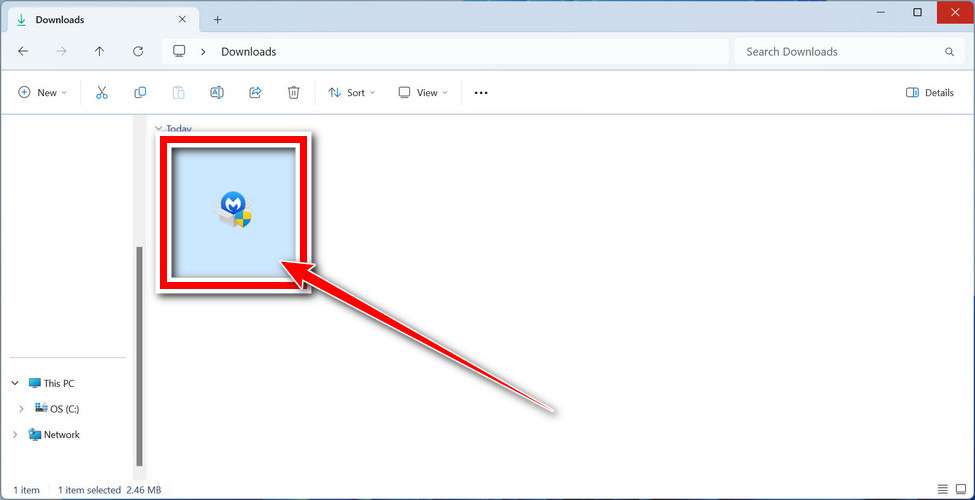
Follow the On-Screen Prompts to Install Malwarebytes
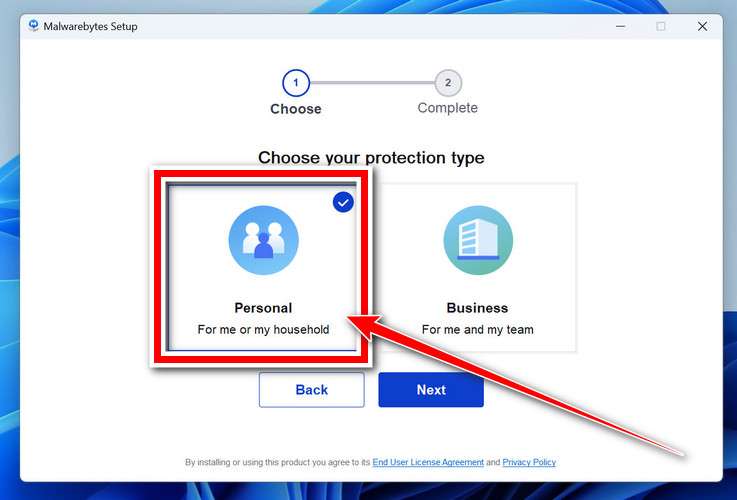
The setup wizard will walk you through a few quick screens:
-
Choose where you’re installing the program — “Personal Computer” or “Work Computer” — then click Next.
-
Malwarebytes will now install on your device. This usually takes under a minute.

-
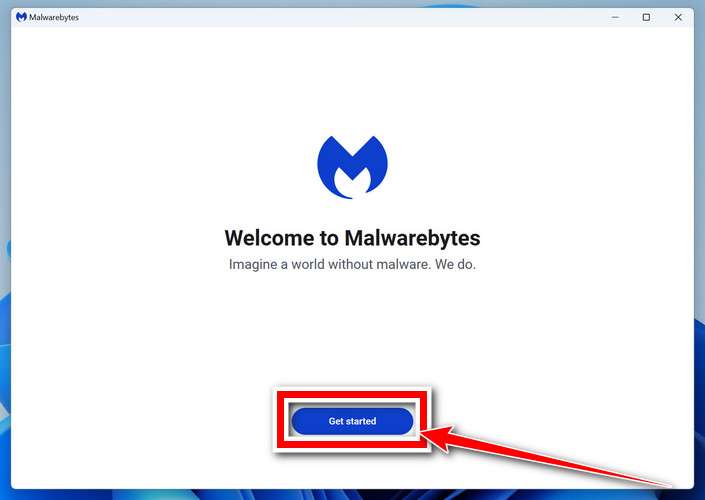
When installation is complete, the “Welcome to Malwarebytes” screen will open automatically.
-
On the final screen, click Open Malwarebytes to launch the program.

-
Enable “Scan for Rootkits”
Before scanning, turn on rootkit detection so Malwarebytes can find even the most hidden threats. Click the Settings gear icon on the left side of the screen.
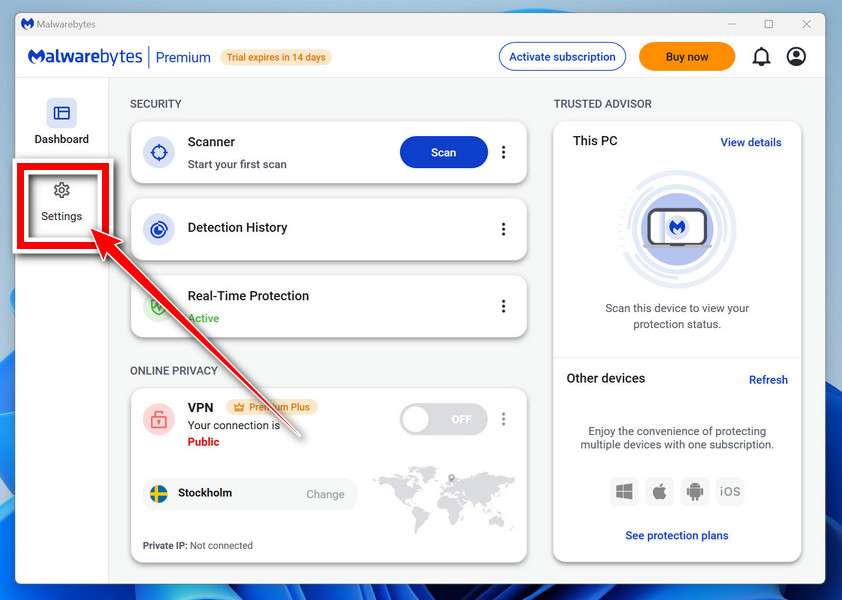
In the settings menu, find “Scan for rootkits” and click the toggle so it turns blue.

Done? Click “Dashboard” in the left pane to return to the main screen.
Start the Scan
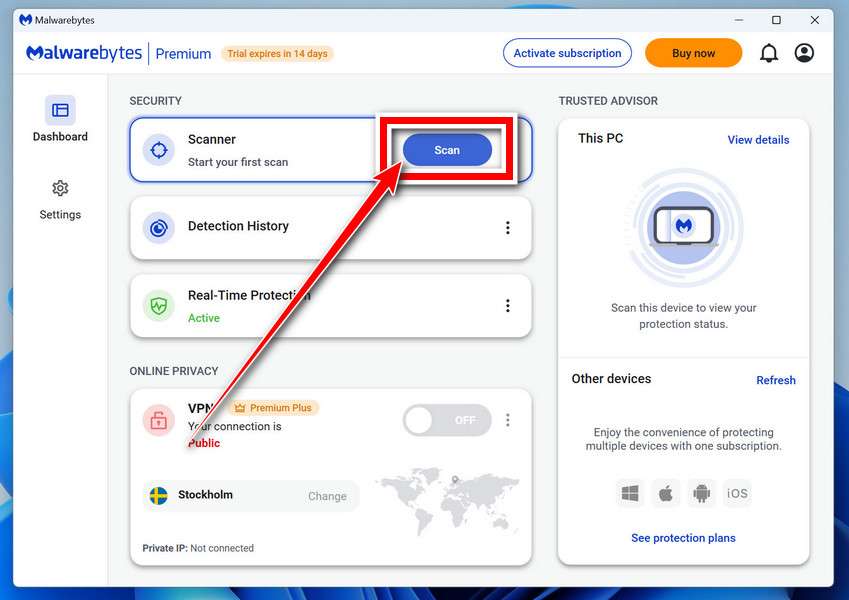
Click the blue Scan button. Malwarebytes will automatically update its virus database and start checking your computer for malware.
-
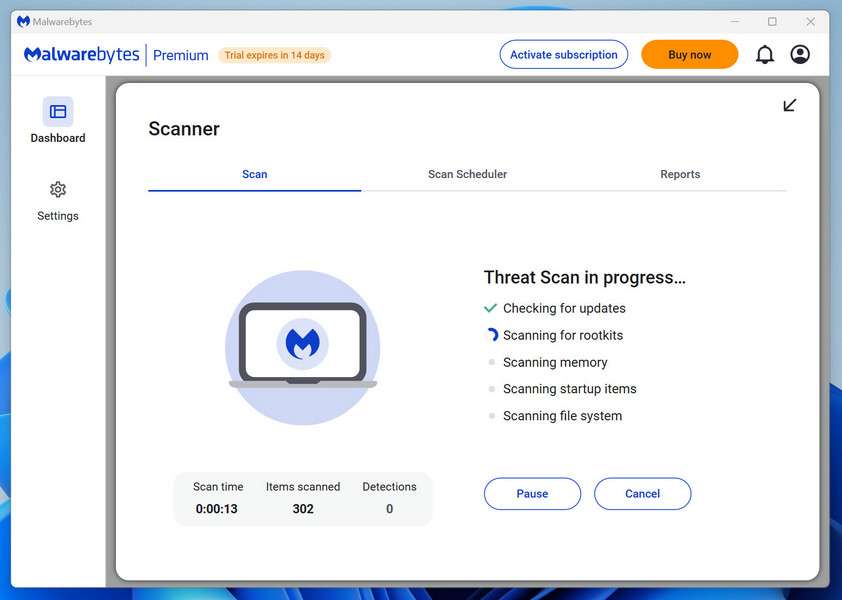
Wait for the Scan to Finish
The scan checks your entire system for browser hijackers and other malicious programs, so it can take 5 to 20 minutes depending on your computer. Feel free to do something else — just check back occasionally to see the progress.
-
Quarantine the Detected Threats
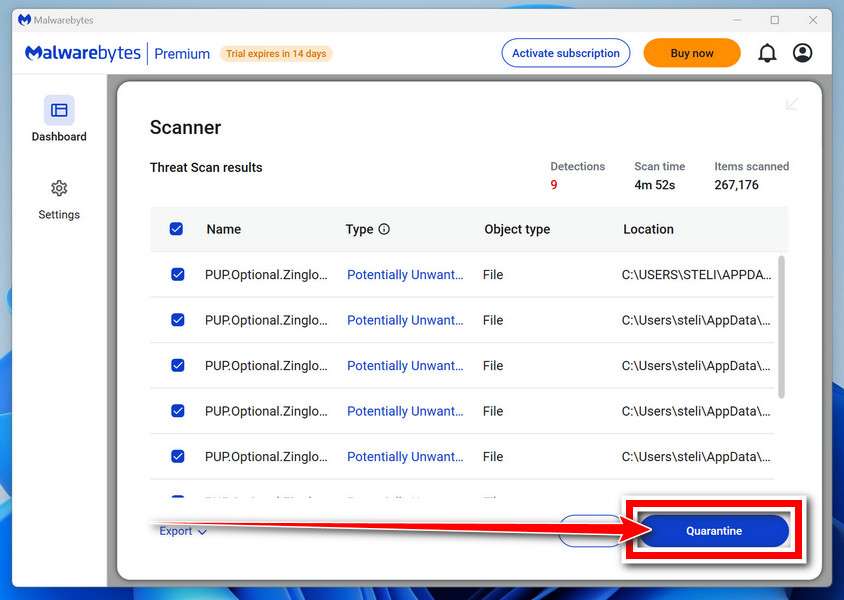
When the scan is done, you’ll see a list of everything Malwarebytes found — malware, adware, and potentially unwanted programs. Click the “Quarantine” button to remove all of them at once.
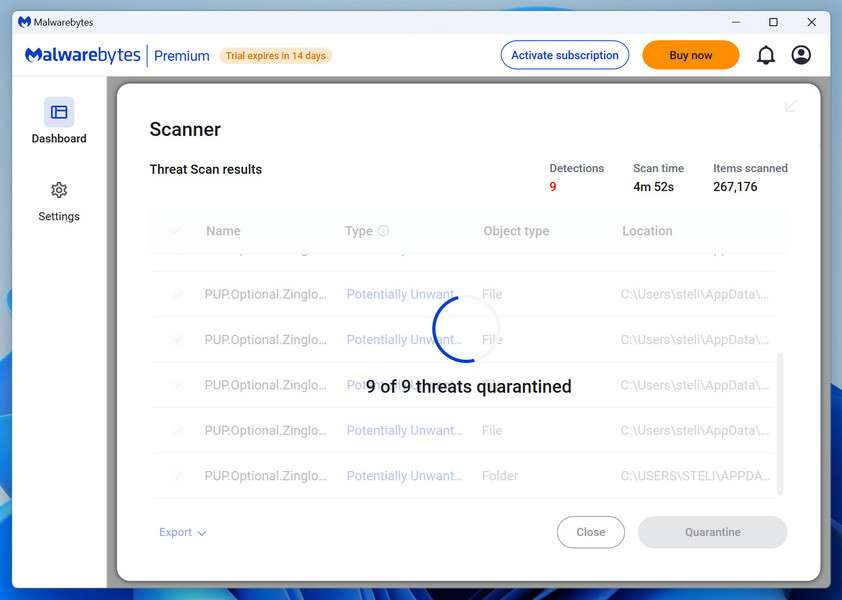
Malwarebytes will now remove the malicious files and registry entries and move them safely into quarantine.
-
Restart Your Computer
Some threats can only be fully removed after a reboot. If Malwarebytes asks you to restart, click Yes. Once you’re logged back in, Malwarebytes has finished removing the threats it found.
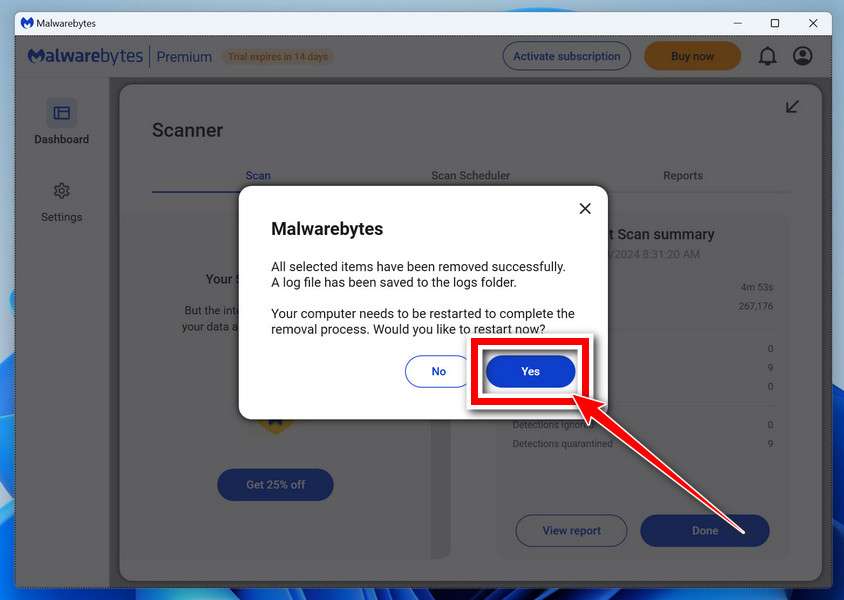
That’s it — your Windows PC is now clean of trojans, adware, and other malware, and should be back to running smoothly.
If you are still having problems with your computer after completing these instructions, then please follow one of the steps:
- Run a computer scan with ESET Online Scanner
- Ask for help in our Windows Malware Removal Help & Support forum.
Run a Malware Scan with Malwarebytes for Mac
Malwarebytes for Mac is a free on-demand scanner that removes the malware other security software tends to miss — adware, browser hijackers, and unwanted programs included. Cleaning an infected Mac with Malwarebytes has always been completely free, and it’s our go-to recommendation. Follow the steps below to scan and clean your Mac in just a few minutes.
-
Download Malwarebytes for Mac
Click the button below to download the latest version of Malwarebytes for Mac.
Download MalwarebytesOfficial installer for macOS. Your download starts right away.Want real-time protection? See Malwarebytes PremiumMalwarebytes Free for MacScans and removes malware at no cost -
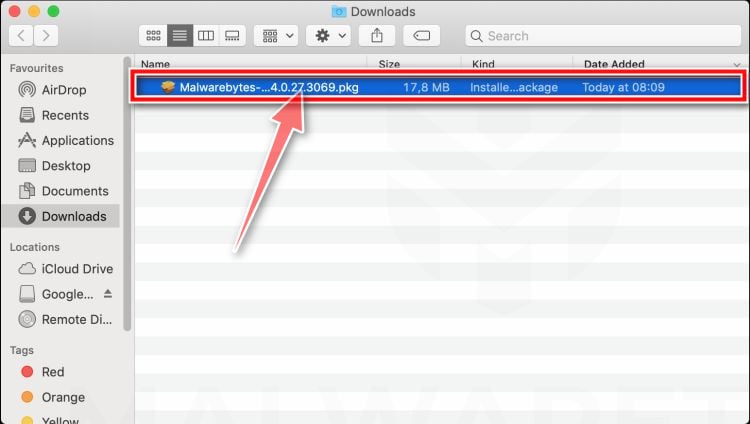
Open the Malwarebytes setup file
When the download finishes, open your Downloads folder and double-click the setup file to begin the installation.
-
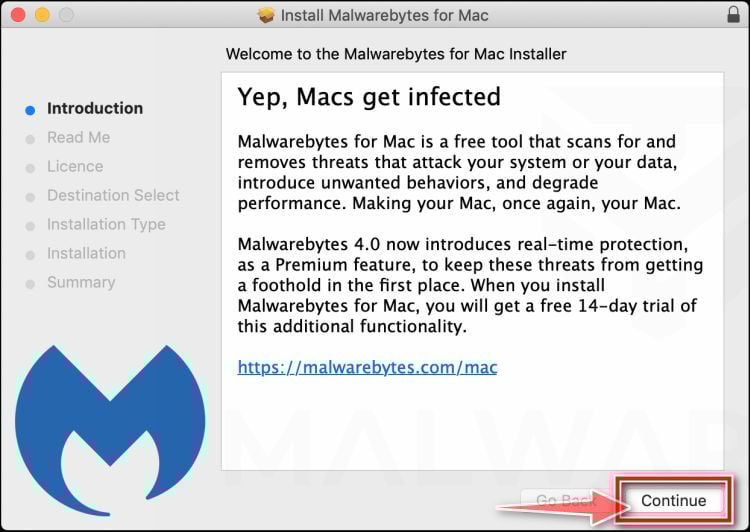
Follow the On-Screen Prompts to Install Malwarebytes
The Malwarebytes for Mac Installer will guide you through a few quick screens. Click “Continue” and keep following the prompts until the installation completes.
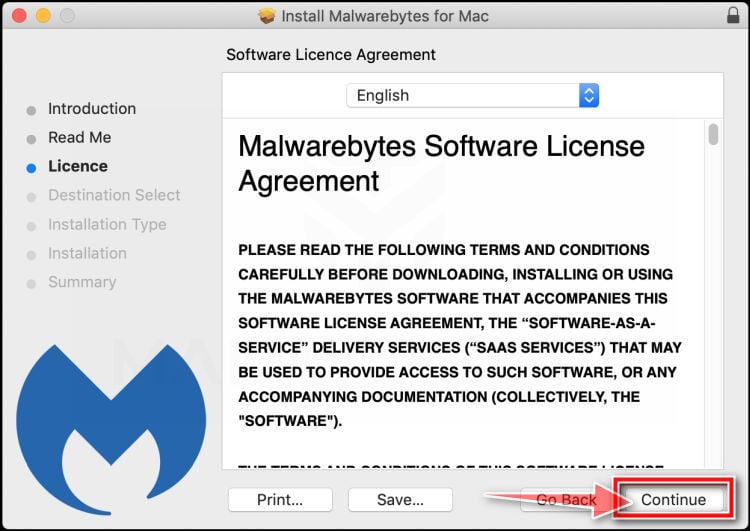
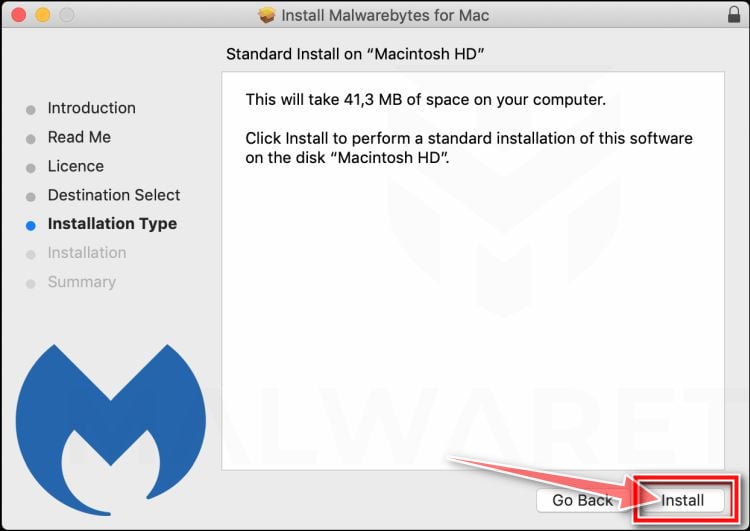
When the installation is complete, Malwarebytes opens to the Welcome to Malwarebytes screen. Click “Get started“.
-
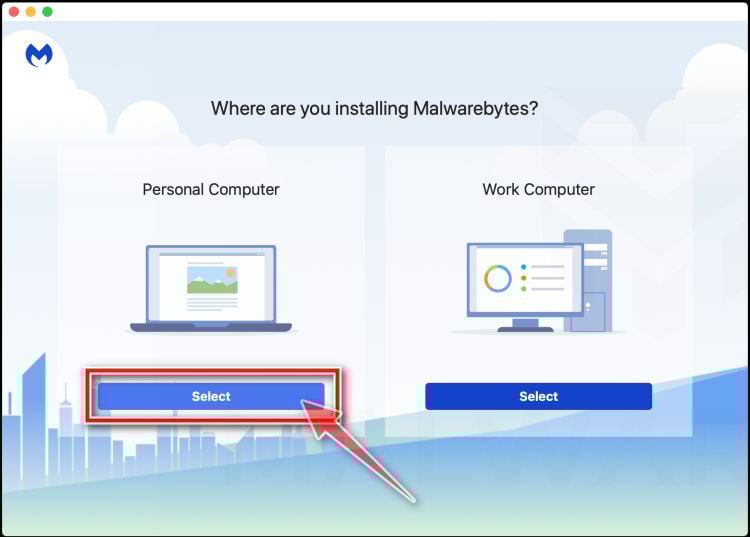
Select “Personal Computer” or “Work Computer”
Malwarebytes will ask what type of computer you’re installing it on. Click either Personal Computer or Work Computer, whichever applies.
-
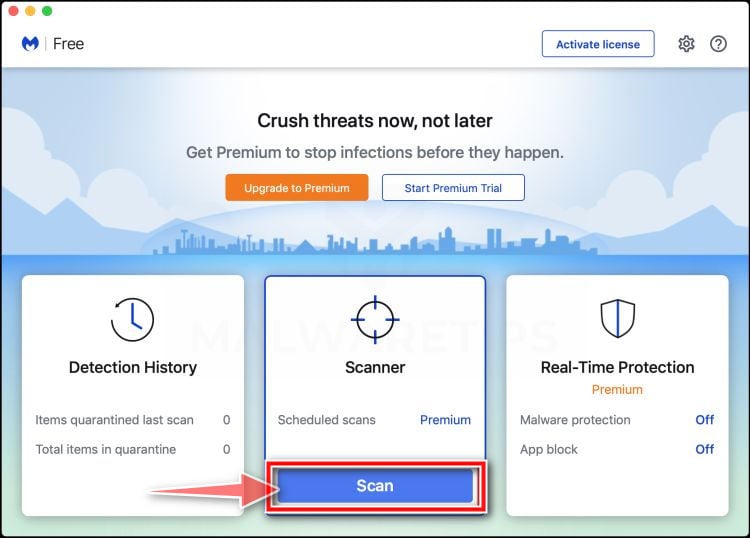
Start the Scan
Click the “Scan” button. Malwarebytes will automatically update its detection database and begin checking your Mac for malware.
-
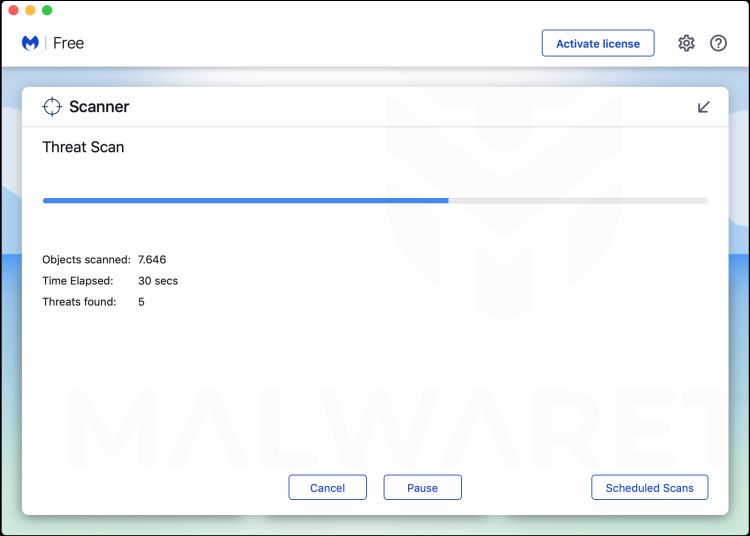
Wait for the Scan to Finish
Malwarebytes will scan your Mac for adware, browser hijackers, and other malicious programs. This can take a few minutes, so feel free to do something else — just check back occasionally to see the progress.
-
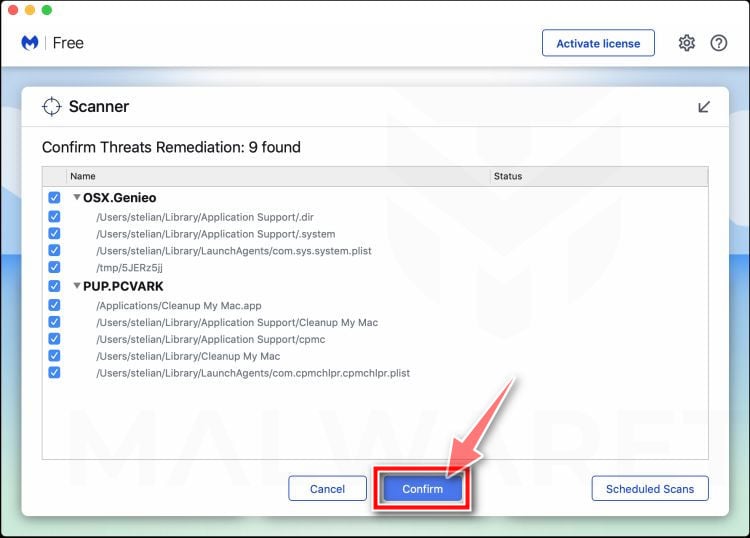
Quarantine the Detected Threats
When the scan is done, you’ll see a list of everything Malwarebytes found. Click the “Quarantine” button to remove all the threats at once.
-
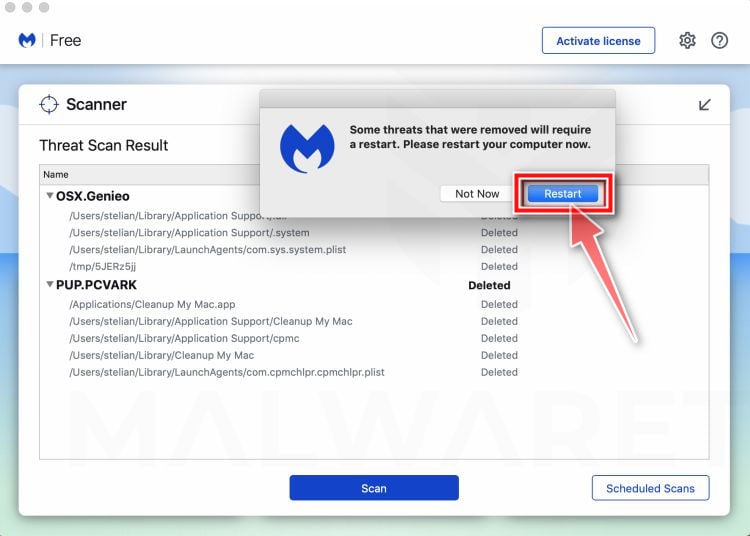
Restart Your Mac
Malwarebytes will now remove all the malicious files it found. Some threats can only be fully removed after a reboot — if Malwarebytes asks you to restart, allow it. Once you’re logged back in, your Mac is clean.
That’s it — your Mac is now free of adware, rogue browser extensions, and other potentially harmful software.
If you are still experiencing problems while trying to remove a malicious program from your computer, please ask for help in our Mac Malware Removal Help & Support forum.
Run a Malware Scan with Malwarebytes for Android
Malwarebytes for Android automatically detects and removes dangerous threats like malware and ransomware so you don’t have to worry about your most-used device being compromised. Aggressive detection of adware and potentially unwanted programs keeps your Android phone or tablet running smooth.
-
Download Malwarebytes for Android.
You can download Malwarebytes for Android by clicking the link below.
Get Malwarebytes for AndroidOpens Google Play in a new tab.Want real-time protection? See Malwarebytes Premium for AndroidMalwarebytes for AndroidScans your phone and removes malware at no cost -
Install Malwarebytes for Android on your phone.
In the Google Play Store, tap “Install” to install Malwarebytes for Android on your device.

When the installation process has finished, tap “Open” to begin using Malwarebytes for Android. You can also open Malwarebytes by tapping on its icon in your phone menu or home screen.

-
Follow the on-screen prompts to complete the setup process
When Malwarebytes will open, you will see the Malwarebytes Setup Wizard which will guide you through a series of permissions and other setup options.
This is the first of two screens that explain the difference between the Premium and Free versions. Swipe this screen to continue.
Tap on “Got it” to proceed to the next step.
Malwarebytes for Android will now ask for a set of permissions that are required to scan your device and protect it from malware. Tap on “Give permission” to continue.
Tap on “Allow” to permit Malwarebytes to access the files on your phone.
-
Update database and run a scan with Malwarebytes for Android
You will now be prompted to update the Malwarebytes database and run a full system scan.

Click on “Update database” to update the Malwarebytes for Android definitions to the latest version, then click on “Run full scan” to perform a system scan.

-
Wait for the Malwarebytes scan to complete.
Malwarebytes will now start scanning your phone for adware and other malicious apps. This process can take a few minutes, so we suggest you do something else and periodically check on the status of the scan to see when it is finished.

-
Click on “Remove Selected”.
When the scan has been completed, you will be presented with a screen showing the malware infections that Malwarebytes for Android has detected. To remove the malicious apps that Malwarebytes has found, tap on the “Remove Selected” button.

-
Restart your phone.
Malwarebytes for Android will now remove all the malicious apps that it has found. To complete the malware removal process, Malwarebytes may ask you to restart your device.
That’s it — your Android phone is now clean — no more malicious apps, adware, or browser redirects.
If you are still having problems with your phone after completing these instructions, then please follow one of the steps:
- Restore your phone to factory settings by going to Settings > General management > Reset > Factory data reset.
- Ask for help in our Mobile Malware Removal Help & Support forum.
Stay Protected: Block Ads and Malicious Sites
Now that your device is clean, keep it that way. Most infections start with a malicious ad or a fake download button — so blocking them at the source is your best defense.
We recommend AdGuard, which blocks malicious ads, phishing pages, and dangerous redirects before they can reach you.
👉 Download AdGuard and browse safely
How to Protect Yourself From Similar Job Scams
The WBD Global Streaming text is only one version of a much larger scam trend. Similar fake job messages may use other company names, platforms, or industries.
To stay safer, follow these rules:
- Be skeptical of random job texts from unknown numbers
- Verify companies through official websites
- Never pay money to get a job
- Do not trust fake dashboards showing easy earnings
- Avoid job offers that only use WhatsApp or Telegram
- Do not share ID documents with unverified recruiters
- Search the company name plus “scam” before responding
- Be careful with remote jobs promising unusually high daily pay
- Do not install apps from links sent by strangers
- Trust your instincts if the process feels rushed or strange
A real job may be competitive, but it will not require secret payments, fake tasks, or strange withdrawal rules.
Frequently Asked Questions About the WBD Global Streaming Scam Text
Is the WBD Global Streaming job offer text real?
No. The message is a scam if it randomly offers remote work, high daily pay, and asks you to continue on WhatsApp. It is not a legitimate Warner Bros. Discovery job offer.
Is Warner Bros. Discovery behind these messages?
No. Scammers are abusing the WBD name to make the fake job offer look credible. The messages are sent by criminals, not by the real company.
Why does the scam promise $100-$800 per day?
The high pay is bait. Scammers use unrealistic earnings to get people to respond quickly. Simple tasks such as watching videos or reviewing apps do not normally pay that kind of money.
What happens if I reply to the text?
Replying may confirm that your number is active. The scammer may then move you to WhatsApp, send fake job details, ask for personal information, or eventually pressure you to deposit money.
Can I lose money from this scam?
Yes. Many job task scams ask victims to pay deposits, recharge fake accounts, unlock withdrawals, or complete paid tasks. Once money is sent, the scammer may keep demanding more.
What if I already gave them my personal information?
Change passwords, monitor your accounts, enable two-factor authentication, and watch for identity theft. If you sent ID documents or financial details, contact your bank and consider filing a report.
What if the fake platform shows that I earned money?
The balance is not real. Scam websites can display any amount they want. If you are told to pay money before withdrawing, it is part of the scam.
Should I pay the withdrawal fee to get my earnings?
No. Paying a withdrawal fee will likely lead to another fee. Scammers use this tactic to keep victims sending money.
Can I recover money sent to the scammers?
It depends on the payment method. Contact your bank, card provider, payment app, or crypto exchange immediately. Avoid anyone who asks for an upfront fee to recover your funds.
The Bottom Line
The WBD Global Streaming scam text is a fake remote job offer that uses the name of a real entertainment company to build trust. The promise of $100-$800 per day for simple online work is not a legitimate opportunity. It is bait.
If you receive this message, do not click links, do not move the conversation to WhatsApp, and do not send personal information or money. Real employers do not ask workers to pay deposits, recharge accounts, or unlock withdrawals before getting paid.
The safest response is to ignore, block, and report the message. If you already interacted with the scam, stop communication immediately, save evidence, contact your bank, and secure your accounts.








