Roblox gamers are being targeted by an insidious scam promising free Robux. Thousands of identical YouTube shorts suggest users can earn 5,000 free Robux from Roblox itself. But the offer is completely bogus.
This fraud operates through fake promotions, automation tools, and slick websites to reel users in. Then it leverages human psychology and our innate desire for rewards to manipulate victims into downloading apps, sharing referrals, and surrendering their personal data.
It may sound too brazen to be real. But make no mistake – the Bloxclaim.com 5000 Robux Giveaway scam has constructed an entire criminal enterprise around deception. This fraud is spinning a web with enough authentic-looking threads to trap even savvy players.
In this comprehensive guide, we’ll outline exactly how the scam ensnares victims step-by-step. We’ll also provide advice to avoid being manipulated and detail actions to take if you or someone you know has fallen prey to this fraud.
Scam Overview
Roblox giveaway scams have been circulating widely on platforms like YouTube, falsely promising free Robux if users complete certain tasks. One prominent example is the “Bloxclaim.com 5000 Robux Giveaway”, which uses fake promotions and YouTube shorts to lure users in.
This scam operates by:
Creating multiple YouTube channels that post identical sounding shorts announcing the giveaway. The channels appear automatically generated, with default icons and no other content.
The videos showcase “proof” via a supposed screenshot of Roblox announcing the giveaway on their Twitter account. However, no such tweet exists on Roblox’s official page.
Each video directs users to visit Bloxclaim.com to collect their promised 5,000 free Robux.
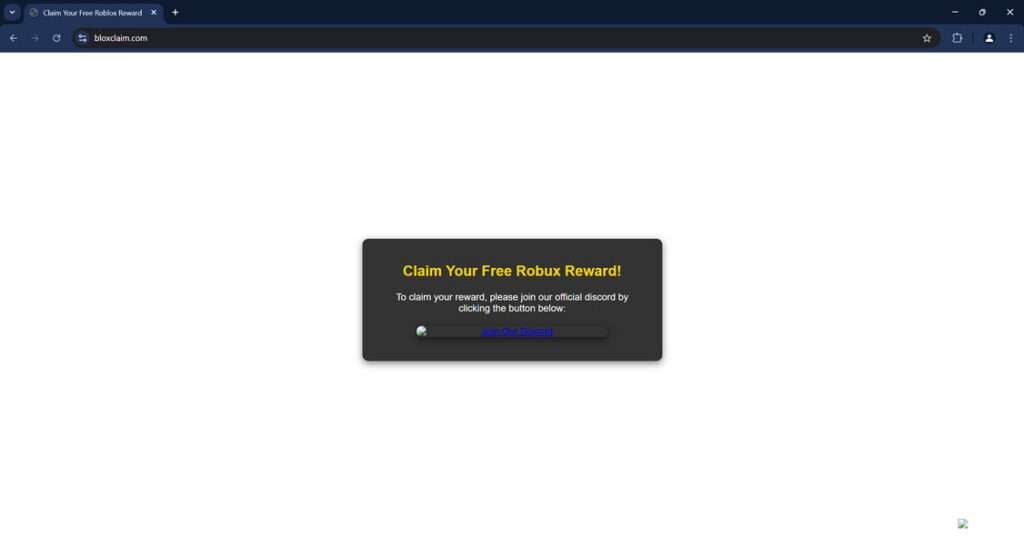
At the site, users are instructed to join a Discord server and complete further steps to claim their reward.
These additional steps often involve downloading unrelated apps, submitting personal information, or providing referral codes.
The promised 5,000 Robux is never actually delivered.
The goal behind the scam is to get users to download apps, create accounts, input personal data, or share referral links. This benefits the scammers through app downloads, referrals, and harvesting users’ personal information.
By falsely promising free Robux in exchange for simple actions, scammers take advantage of people’s desire to gain items for free in Roblox. But legitimate giveaways would never ask users to perform suspicious extra steps for rewards.
The scam uses the appearance of authenticity in the YouTube videos and the mention of Roblox’s 18th birthday to seem convincing. But examining the channels, claims, and reward process reveals multiple inconsistencies that expose it as fraudulent.
How the Bloxclaim.com 5000 Robux Giveaway Scam Works
The Bloxclaim.com scam operates through the following deceptive steps:
1. Mass Creation of YouTube Shorts Videos
Scammers set up dozens of identical looking YouTube channels with default icons and no additional content.
Each channel uploads several shorts; all using similar formats, titles, background images, and narration.
The shorts announce a special 5000 Robux giveaway in honor of Roblox’s 18th birthday.
They reference the supposed 300 million active players, making the giveaway seem more legitimate.
The videos showcase supposed “proof” of Roblox promoting the giveaway via Twitter.
This includes a screenshot of the @Roblox account tweeting details of the 5000 Robux giveaway.
But checking Roblox’s actual Twitter feed reveals no such tweet ever existed. The screenshot has been faked.
3. Directing Users to Bloxclaim.com
Each video tells viewers to go to Bloxclaim.com to collect their free 5000 Robux.
The site appears professionally designed to look official, with Roblox imagery and colors.
This builds a false sense of security when in reality the site is run by scammers.
4. Suspicious Discord Server and Rewards Steps
Upon visiting Bloxclaim.com, users are prompted to join a Discord server to claim their reward.
In the server, additional steps are outlined that users must complete to get their promised Robux.
These extra steps often include downloading separate apps, submitting personal info, or providing referral codes.
None of these actions are logically related to getting free Robux from Roblox.
5. Failure to Deliver the Promised Rewards
Despite completing all demanded tasks, users never actually receive the promised 5000 Robux.
The Discord server gives vague excuses for why rewards are delayed, and perpetually strings users along.
Even after installing apps, sharing referrals, and providing personal data, no Robux is ever transferred.
6. Benefiting From Downloads, Referrals and Data Harvesting
The true purpose behind this scam is to get users to download specific apps, use referral codes, and input personal info.
This benefits scammers through app downloads, commission from referrals, and selling or exploiting users’ data.
No free Robux is ever dispensed, as it was never the scammers’ intention in the first place.
By recognizing these deceptive steps, Roblox players can avoid falling victim to bloxclaim.com and similar Robux scams. Real giveaways will never require suspicious extra steps before releasing rewards.
What to Do If You Have Fallen Victim to the Bloxclaim.com Scam
If you downloaded apps, shared referrals, or submitted any personal information to bloxclaim.com or its affiliated Discord server, here are important steps to take:
Report the YouTube Channels Hosting the Scam Videos
Locate the channel links that directed you to the scam website.
Flag them to YouTube as spam/fraud using the report function. More reports increase the chance of YouTube removing them.
Leave the Discord Server Immediately
Exit out of any Discord servers related to this scam to prevent further risk.
Do not engage with anyone reaching out to you from these servers.
Change Passwords On Any Accounts You Accessed
If you used the same password anywhere else as on the scam server, update your logins and security questions to be unique.
Monitor Bank Statements for Unauthorized Charges
Keep watch for any potential fraudulent charges made to payment methods linked to accounts accessed on the scam apps/websites.
Run Security Scans on Your Devices
Download malware/virus scans to check your devices for any potentially unwanted programs picked up during the process.
Beware of Recovery Scams
Scammers may reach out pretending they can recover your lost funds or items from the initial scam. Do not engage or provide further info.
Report the Scam
File reports about bloxclaim.com and associated Discord servers to Roblox and fraud tracking agencies like the FTC.
By acting quickly, you can limit the fallout from providing data to tech support scams. Be more cautious of supposed free offers in the future, as most that seem too good to be true usually are. Legitimate giveaways will never require you to complete sketchy prerequisites.
Is Your Device Infected? Run a Free Malware Scan
Slow performance, constant pop-ups, or strange behavior? These are classic signs of a malware infection. The fastest way to find out is to scan your device with Malwarebytes Anti-Malware Free — one of the most trusted malware removal tools available.
The free version detects and removes the most common threats, including:
Adware — the cause of those annoying pop-ups
Browser hijackers — unwanted redirects and changed homepages
Trojans and spyware — hidden programs stealing your data
Potentially unwanted programs (PUPs) — software you never asked for
👉 Select your device below — Windows, Mac, or Android — then follow the simple steps to download Malwarebytes, scan your system, and remove any threats it finds. The whole process takes about 5 minutes.
Malwarebytes for WindowsMalwarebytes for MacMalwarebytes for Android
Run a Malware Scan with Malwarebytes for Windows
Malwarebytes is one of the most popular and trusted anti-malware tools for Windows — and it’s completely free for removing infections. It catches threats that many antivirus programs miss, including adware, browser hijackers, and trojans. Follow the steps below to scan and clean your PC in just a few minutes.
Download Malwarebytes
Click the button below to download the latest version of Malwarebytes for Windows from the official source. The free version is all you need — it will scan your computer and remove adware, browser hijackers, and other malicious software at no cost.
(The link opens in a new page where your download will start)
Install Malwarebytes
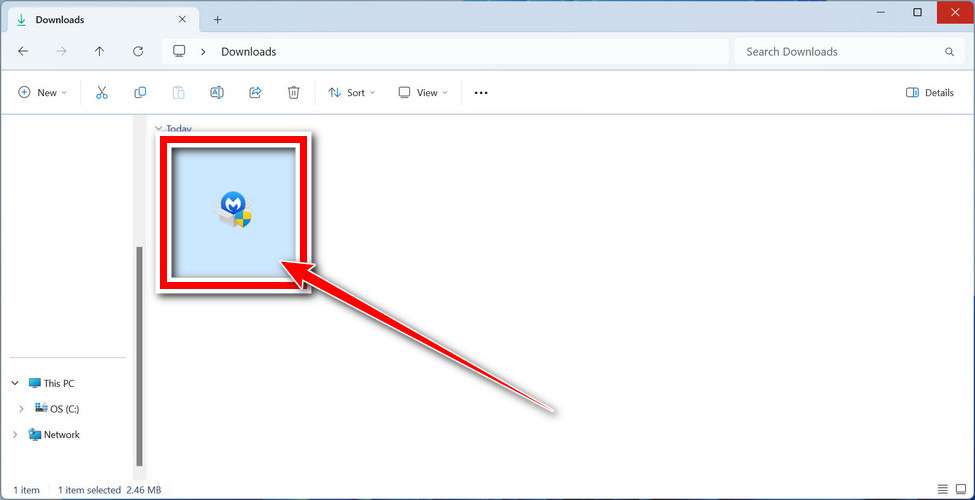
When the download finishes, open your Downloads folder and double-click the MBSetup file. If Windows shows a User Account Control pop-up, click “Yes” to allow the installation.
Follow the On-Screen Prompts to Install Malwarebytes
The setup wizard will walk you through a few quick screens:
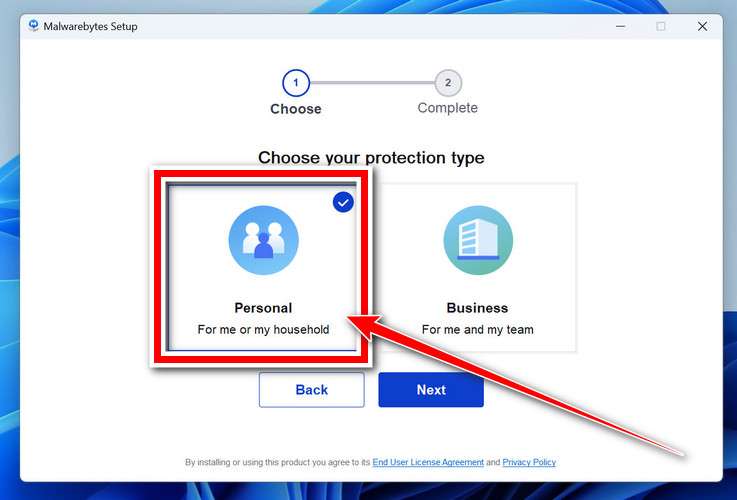
Choose where you’re installing the program — “Personal Computer” or “Work Computer” — then click Next.
Malwarebytes will now install on your device. This usually takes under a minute.
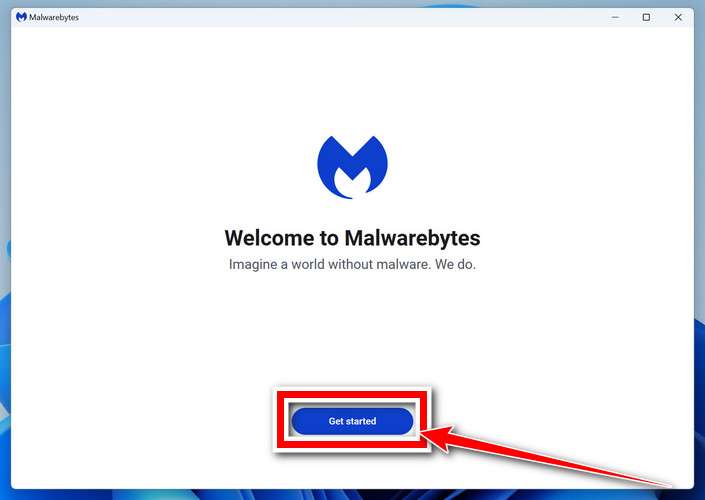
When installation is complete, the “Welcome to Malwarebytes” screen will open automatically.
On the final screen, click Open Malwarebytes to launch the program.
Enable “Scan for Rootkits”
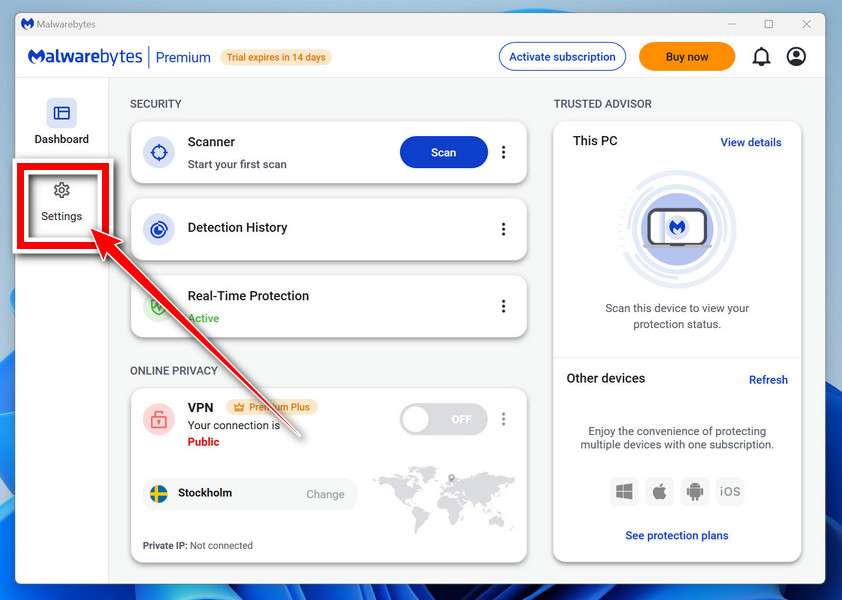
Before scanning, turn on rootkit detection so Malwarebytes can find even the most hidden threats. Click the Settings gear icon on the left side of the screen.
In the settings menu, find “Scan for rootkits” and click the toggle so it turns blue.
Done? Click “Dashboard” in the left pane to return to the main screen.
Start the Scan
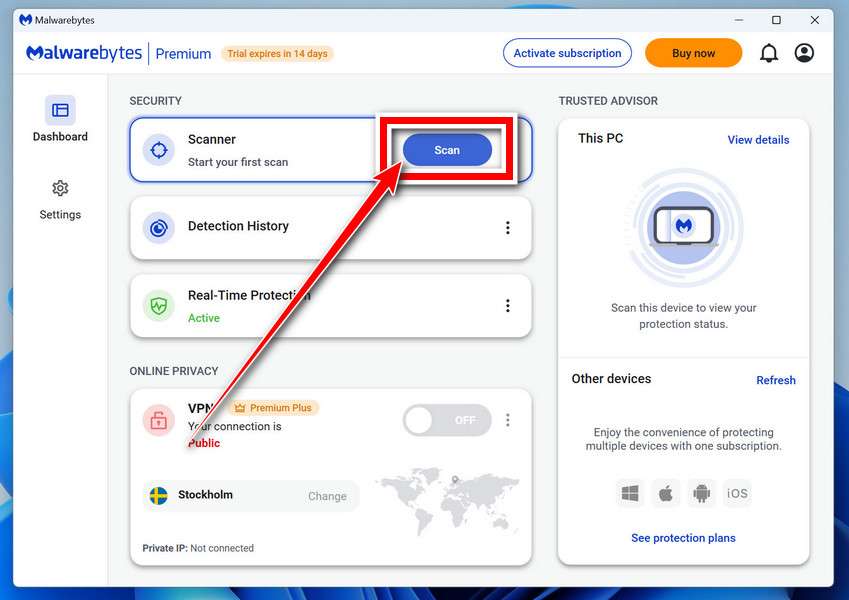
Click the blue Scan button. Malwarebytes will automatically update its virus database and start checking your computer for malware.
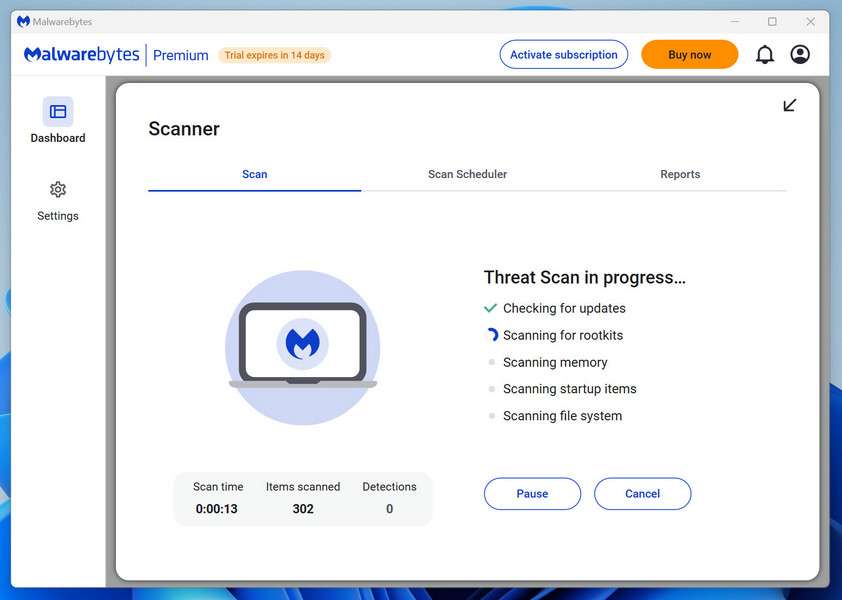
Wait for the Scan to Finish
The scan checks your entire system for browser hijackers and other malicious programs, so it can take several minutes. Feel free to do something else — just check back occasionally to see the progress.
Quarantine the Detected Threats
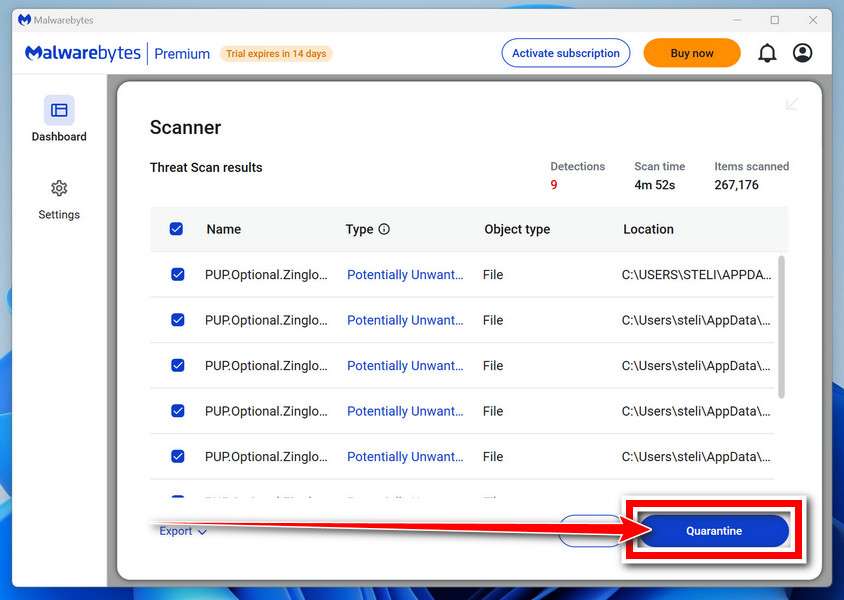
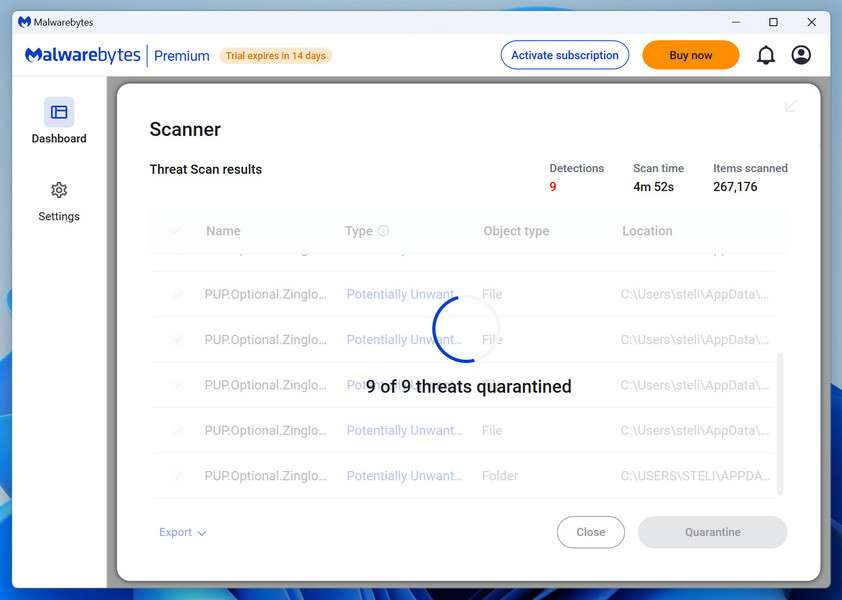
When the scan is done, you’ll see a list of everything Malwarebytes found — malware, adware, and potentially unwanted programs. Click the “Quarantine” button to remove all of them at once.
Malwarebytes will now remove the malicious files and registry entries and move them safely into quarantine.
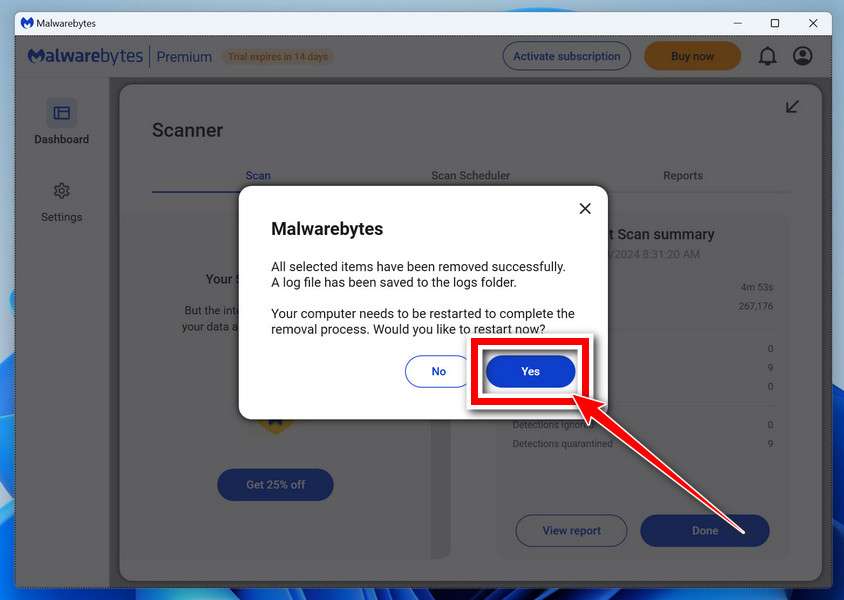
Restart Your Computer
Some threats can only be fully removed after a reboot. If Malwarebytes asks you to restart, click Yes. Once you’re logged back in, your PC is clean and you can continue with the next steps in this guide.
When the scan finishes, click Quarantine to remove everything Malwarebytes found. That’s it — your Windows PC is now clean of trojans, adware, and other malware, and should be back to running smoothly.
If your current antivirus allowed this malicious program on your computer, you may want to consider purchasing Malwarebytes Premium to protect against these types of threats in the future. If you are still having problems with your computer after completing these instructions, then please follow one of the steps:
Malwarebytes for Mac is a free on-demand scanner that removes the malware other security software tends to miss — adware, browser hijackers, and unwanted programs included. Cleaning an infected Mac with Malwarebytes has always been completely free, and it’s our go-to recommendation. Follow the steps below to scan and clean your Mac in just a few minutes.
Download Malwarebytes for Mac
Click the button below to download the latest version of Malwarebytes for Mac.
When the download finishes, open your Downloads folder and double-click the setup file to begin the installation.
Follow the On-Screen Prompts to Install Malwarebytes
The Malwarebytes for Mac Installer will guide you through a few quick screens. Click “Continue” and keep following the prompts until the installation completes.
When the installation is complete, Malwarebytes opens to the Welcome to Malwarebytes screen. Click “Get started“.
Select “Personal Computer” or “Work Computer”
Malwarebytes will ask what type of computer you’re installing it on. Click either Personal Computer or Work Computer, whichever applies.
Start the Scan
Click the “Scan” button. Malwarebytes will automatically update its detection database and begin checking your Mac for malware.
Wait for the Scan to Finish
Malwarebytes will scan your Mac for adware, browser hijackers, and other malicious programs. This can take a few minutes, so feel free to do something else — just check back occasionally to see the progress.
Quarantine the Detected Threats
When the scan is done, you’ll see a list of everything Malwarebytes found. Click the “Quarantine” button to remove all the threats at once.
Restart Your Mac
Malwarebytes will now remove all the malicious files it found. Some threats can only be fully removed after a reboot — if Malwarebytes asks you to restart, allow it. Once you’re logged back in, your Mac is clean.
Once the scan is done, remove every threat it detected. Your Mac is now free of adware, rogue browser extensions, and other potentially harmful software.
If your current antivirus allowed a malicious program on your computer, you might want to consider purchasing the full-featured version of Malwarebytes Anti-Malware to protect against these types of threats in the future. If you are still experiencing problems while trying to remove a malicious program from your computer, please ask for help in our Mac Malware Removal Help & Support forum.
Run a Malware Scan with Malwarebytes for Android
Malwarebytes for Android automatically detects and removes dangerous threats like malware and ransomware so you don’t have to worry about your most-used device being compromised. Aggressive detection of adware and potentially unwanted programs keeps your Android phone or tablet running smooth.
Download Malwarebytes for Android.
You can download Malwarebytes for Android by clicking the link below.
In the Google Play Store, tap “Install” to install Malwarebytes for Android on your device.
When the installation process has finished, tap “Open” to begin using Malwarebytes for Android. You can also open Malwarebytes by tapping on its icon in your phone menu or home screen.
Follow the on-screen prompts to complete the setup process
When Malwarebytes will open, you will see the Malwarebytes Setup Wizard which will guide you through a series of permissions and other setup options. This is the first of two screens that explain the difference between the Premium and Free versions. Swipe this screen to continue. Tap on “Got it” to proceed to the next step. Malwarebytes for Android will now ask for a set of permissions that are required to scan your device and protect it from malware. Tap on “Give permission” to continue. Tap on “Allow” to permit Malwarebytes to access the files on your phone.
Update database and run a scan with Malwarebytes for Android
You will now be prompted to update the Malwarebytes database and run a full system scan.
Click on “Update database” to update the Malwarebytes for Android definitions to the latest version, then click on “Run full scan” to perform a system scan.
Wait for the Malwarebytes scan to complete.
Malwarebytes will now start scanning your phone for adware and other malicious apps. This process can take a few minutes, so we suggest you do something else and periodically check on the status of the scan to see when it is finished.
Click on “Remove Selected”.
When the scan has been completed, you will be presented with a screen showing the malware infections that Malwarebytes for Android has detected. To remove the malicious apps that Malwarebytes has found, tap on the “Remove Selected” button.
Restart your phone.
Malwarebytes for Android will now remove all the malicious apps that it has found. To complete the malware removal process, Malwarebytes may ask you to restart your device.
After the scan, tap Remove Selected to delete all detected threats. Your Android phone is now clean — no more malicious apps, adware, or browser redirects.
If your current antivirus allowed a malicious app on your phone, you may want to consider purchasing the full-featured version of Malwarebytes to protect against these types of threats in the future. If you are still having problems with your phone after completing these instructions, then please follow one of the steps:
Restore your phone to factory settings by going to Settings > General management > Reset > Factory data reset.
Now that your device is clean, keep it that way. Most infections start with a malicious ad or a fake download button — so blocking them at the source is your best defense.
We recommend AdGuard, which blocks malicious ads, phishing pages, and dangerous redirects before they can reach you.
The bloxclaim.com 5000 Robux giveaway scam uses deceptive YouTube videos, fake Roblox promotion, and a network of suspicious websites/Discord servers to trick users. By enticing people with the promise of free limited items, scammers can profit off app downloads, referrals, and compromised personal information.
Always verify supposed giveaways directly through official company channels, not random videos or sites. Any offer requiring you to complete unrelated tasks before getting rewards should be considered highly suspicious. Through education and awareness of common tactics, Roblox players can avoid these fraudulent free Robux scams entirely.
10 Rules to Avoid Online Scams
Here are 10 practical safety rules to help you avoid malware, online shopping scams, crypto scams, and other online fraud. Each tip includes a quick “if you already got hit” action.
Stop and verify before you click, log in, download, or pay.
Most scams win by creating urgency. Verify using a trusted method: type the website address yourself, use the official app, or call a known number (not the one in the message).
If you already clicked: close the page, do not enter passwords, and run a malware scan.
Keep your operating system, browser, and apps updated.
Updates patch security holes used by malware and malicious ads. Turn on automatic updates where possible.
If you saw a scary “update now” pop-up: close it and update only through your device settings or the official app store.
Use layered protection: antivirus plus an ad blocker.
Antivirus helps block malware. An ad blocker reduces scam redirects, phishing pages, and malvertising.
If your browser is acting weird: remove unknown extensions, reset the browser, then run a full scan.
Install apps, software, and extensions only from official sources.
Avoid cracked software, “keygens,” and random downloads. During installs, choose Custom/Advanced and decline bundled offers you do not recognize.
If you already installed something suspicious: uninstall it, restart, and scan again.
Treat links and attachments as untrusted by default.
Phishing often impersonates delivery services, banks, and popular brands. If it is unexpected, do not open attachments or log in through the message.
If you entered credentials: change the password immediately and enable 2FA.
Shop safely: research the store, then pay with protection.
Be cautious with brand-new stores, “closing sale” stories, and prices that make no sense. Prefer credit cards or PayPal for dispute options. Avoid wire transfers, gift cards, and crypto payments.
If you already paid: contact your card issuer or PayPal quickly to dispute the transaction.
Crypto rule: never pay a “fee” to withdraw or recover money.
Common patterns include fake profits, then “tax,” “gas,” or “verification” fees. Another is a “recovery agent” who demands upfront crypto.
If you already sent crypto: stop paying, save evidence (wallet addresses, TXIDs, chats), and report the scam to the platform used.
Secure your accounts with unique passwords and 2FA (start with email).
Use a password manager and unique passwords for every account. Enable 2FA using an authenticator app when possible.
If you suspect an account takeover: change passwords, sign out of all devices, and review recent logins and recovery settings.
Back up important files and keep one backup offline.
Backups protect you from ransomware and device failure. Keep at least one backup on an external drive that is not always connected.
If you suspect infection: do not connect backup drives until the system is clean.
If you think you are a victim: stop losses, document evidence, and escalate fast.
Move quickly. Speed matters for disputes, account recovery, and limiting damage.
Stop payments and contact: do not send more money or respond to the scammer.
Call your bank or card issuer: block transactions, replace the card if needed, and start a dispute or chargeback.
Secure your email first: change the email password, enable 2FA, and remove unfamiliar recovery options.
Secure other accounts: change passwords, enable 2FA, and log out of all sessions.
Scan your device: remove suspicious apps or extensions, then run a full malware scan.
Save evidence: screenshots, emails, order pages, tracking pages, wallet addresses, TXIDs, and chat logs.
Report it: to the payment provider, marketplace, social platform, exchange, or wallet service involved.
These rules are intentionally simple. Most online losses happen when decisions are rushed. Slow down, verify independently, and use payment methods and account controls that give you recourse.
Thomas is an expert at uncovering scams and providing in-depth reporting on cyber threats and online fraud. As an editor, he is dedicated to keeping readers informed on the latest developments in cybersecurity and tech.