


The prices on Buyaor.com are built to stop you mid-scroll, with item after item listed for a fraction of the usual price.
On screen, the photos are lovely. In your mailbox, it’s often another story, and getting a refund can take far more effort than checking out did.
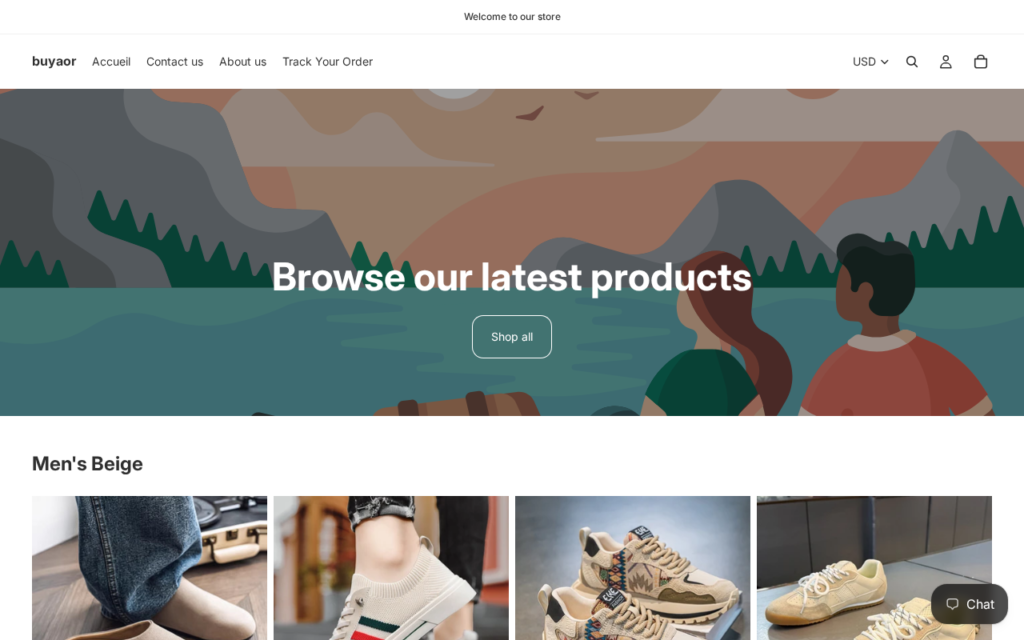
Overview
The store is a dropshipper, not a brand
Buyaor.com makes none of its stock. It follows the same playbook as thousands of similar shops: list items from low-cost suppliers, then ship them directly out of warehouses in China.
The products skip the store entirely. It sets the prices, runs the ads and collects payment, while a supplier you’ll never hear from boxes up your order and mails it.
Think of Buyaor.com as one copy of many. The scam network behind it clones the same templates, product photos and return policies across near-identical stores that reopen under new names.
Low-quality goods that bear no resemblance to the ads
Here’s the core problem: the photos are usually borrowed from other sellers or brands. You see one product, then receive a very low-quality item that looks nothing like it.
Why returning an order doesn’t pay off
On the surface, the refund policy can sound reassuring. The details say otherwise:
- China is the return address. That’s usually where unwanted items have to go, and you cover the postage to get them there.
- The postage beats the refund. International shipping on a $25 item can run higher than its price.
- Partial refunds replace full ones. Request a return and the usual reply is 15% to 30% back to keep the item, rather than a full refund.
- Support drags. Each email reply can take days, and email is usually the only channel you get.
Treat Buyaor.com as high risk. Do not buy from it. You’ll likely hand over far more than the item is worth, and a practical return simply isn’t available.
What Happens When You Order from Buyaor.com
The same pattern repeats in most orders. Know it up front, and you can avoid losing the money and weeks to back-and-forth emails.
Step 1: An ad flashes a price that seems too low
Usually you’ll spot it on Facebook, Instagram or TikTok: a polished photo or short video, the product at a deep discount, and often a “limited time” label.
Search around and you’ll often find the same video advertising dozens of other shops. All of them buy from shared suppliers and borrow the same marketing material.
Step 2: The shop puts on a big-store front
Browse Buyaor.com and it feels established, with categories, star ratings and a friendly About Us page. Often, there’s little more than a template and a supplier list underneath.
The About Us page usually follows a template too. Whether it describes a small family business or a passionate founder, you’ll see the same lines on many unrelated shops.
Step 3: You wait, and keep waiting, for delivery
The 5 to 7 days quoted can turn into three or four weeks. That’s because the parcel is shipped from China, and tracking updates can stop moving for days.
Some orders are also split into several small packages, each tracked separately. If one of them never arrives, proving what’s missing can be hard.
Step 4: The real item differs from the website photos
The ad showed one thing. The package that finally arrives holds something smaller, thinner or simpler, the kind of item that sells for pocket change elsewhere.
The complaints follow a familiar pattern. Materials feel cheap, details from the photos are missing, and sizes or measurements don’t match the listing.
Step 5: Returning it costs more than it’s worth
Support wants photos before it will talk about money. After that, the instruction is to send the item to China, and postage alone can swallow the refund.
Usually, support counters with a partial refund: keep the item, get 15% to 30% back. Sounds fair, until you realize most of the price is gone on something unwanted.
Many buyers stop pushing at this point. That outcome is exactly what the policy’s wording is built for.
Red Flags at Buyaor.com
Each of the signs below takes a minute to check, and each one shows Buyaor.com isn’t the bargain it looks like. Do it before you pay.
Price tags that make no sense for the item
Deals this steep aren’t a stroke of luck. That kind of price buys a much cheaper version than the photos promise.
The struck-out “original” price is another trick. It’s rarely real in the first place; it’s there to make an ordinary price read like a discount.
Product pictures found on other sites
Run a reverse image search and you’ll often see the same pictures on other stores, on marketplaces or on a brand’s own website.
When the photo is a brand’s, don’t expect that brand to make what you receive. When it’s a marketplace listing, the same item is often cheaper there.
Who runs the store? You can’t check
Look for a registered company name, tax number or local address and you’ll rarely find one in this network. That makes the seller hard to pin down when problems start.
Help is limited to email
There’s usually no one to call and no chat window to open, just an email address or a form. Urgent issues can drift on for weeks.
Slow replies have a second cost: they eat into your time to open a dispute with your bank or PayPal. Keep an eye on the deadlines while you wait.
Fake deadlines and false scarcity
Notice how the timer begins again after a reload, and how “only 2 left” appears on everything? That’s urgency on demand. Real inventory doesn’t work like that.
Here’s a quick check: shut the tab and return later. Finding the “sale” still live means the limit was never real.
Extra charges at checkout
Before paying, read every line of the total. Shipping protection, priority handling or an extra item can be sitting in your cart, already ticked.
Don’t expect much from those add-ons: they rarely mean faster delivery or genuine cover. They do make the bill bigger, on an order that may already be worth far less.
Checkout lands on an unrelated payment page
A sudden switch to a payment page carrying someone else’s unrelated name is your signal to stop. Whoever that unfamiliar company is, it would get your card details.
Connected to a network of lookalike scam stores
One About Us story, one set of policies, one set of product photos, spread across dozens of shops. When a name gets burned, the catalog moves to a new one.
How to Check an Online Store Before You Buy
A few minutes of checking can tell you whether an online shop is worth your money. Start with these questions before you pay:
- Who is selling to you? Look for a company name, a registration or tax number and an address. A shop that names nobody is hard to hold to a promise.
- Where do returns go? Find the return address in the refund policy. If it’s overseas or missing, assume a return will cost more than it’s worth.
- How old is the website? Paste the address into the MalwareTips Website Scanner. It shows the domain’s age and any known warning signs in seconds.
- Are the photos original? Run a reverse image search on a product photo. If the same picture appears on many sites, the item is a generic product.
- What do buyers say elsewhere? Search the store on Trustpilot and in search results, not just the reviews on the shop itself.
- Is the ad real footage? Many shop ads now use AI-generated videos and photos. If the product only ever appears in slick renders, expect something plainer.
- Does the price make sense? Compare it with the same item on a major marketplace. A huge markdown on an unknown shop is a reason to slow down.
- Can you reach a person? A phone number or live chat is a good sign. An email address alone means problems will take a long time to solve.
If several answers come back wrong, close the tab. There’s almost always a seller with a clearer return policy and a company you can actually look up.
For extra protection while you browse, Malwarebytes Browser Guard warns you about many known scam and phishing sites before they load.
Where to Buy Instead
Liked a product on Buyaor.com? Try one of these safer options instead:
- Run a search on a major marketplace. It often lists the same thing much cheaper, and buyer protection and real reviews come with it.
- Pick sellers with a local return address. If sending something back is cheap, you’ll actually do it.
- Look past the ad to buyer photos. Real customers photograph what actually arrives, not what the ad promised.
- Check the seller’s location before ordering. Marketplaces make it visible. Shipping from a local warehouse brings faster delivery and returns you can manage.
- Keep a dispute option open. Pay with a credit card or PayPal so you can challenge the charge if needed.
The cost may run slightly higher. What you gain is the item you paid for and a seller that honors refund requests.
What to Do If You Already Ordered from Buyaor.com
Ordering from a shop like this doesn’t mean the money is gone. Acting early gives you the best chance of fixing the order or getting a refund.
- Save everything. Keep the order confirmation, the tracking number, every email from the store and screenshots of the product page as it looked when you bought.
- Photograph what arrives. Take clear photos of the item, the label and the packaging, especially anything that doesn’t match the listing.
- Ask the store in writing. Email support, describe the problem plainly and say what you want: a full refund or a replacement. Give them a short deadline.
- Don’t pay for an overseas return yet. If the store asks you to ship the item to China, check with your card issuer or PayPal first.
- Don’t accept a token refund. Offers of 15% to 30% back to keep the item are common. If the item isn’t as described, a dispute may get you more.
- Open a dispute if the store stalls. Use “item not received” or “not as described” with your card issuer or PayPal, and attach your evidence.
- Watch the deadlines. Card disputes often allow around 120 days, and PayPal generally accepts claims within 180 days of payment. Don’t let weeks of unanswered emails use them up.
- Ignore “customs fee” texts. Fake delivery messages asking you to pay a fee or update your address often follow online orders. Don’t pay or click.
- Leave an honest review. A short review on an independent site, with photos, helps the next shopper decide.
If you paid by bank transfer, contact your bank right away and ask whether the payment can be recalled. The sooner you call, the better the odds.
If the store won’t cooperate, file a complaint at econsumer.gov, which handles cross-border shopping complaints, or at ReportFraud.ftc.gov in the US.
Frequently Asked Questions
Is Buyaor.com a scam?
We rate Buyaor.com High Risk because it belongs to a scam network. Orders may ship, but they bring very low-quality items, and returns cost too much. Do not buy.
Where does Buyaor.com ship from?
Suppliers in China send most orders out directly. A wait of several weeks for delivery can be normal here, and slow tracking updates are often part of it.
Why does the product look so different from the photos?
The store usually borrows its photos from other sellers or brands. Your package then holds a cheaper version, made to reach a low price.
Can I return an item to Buyaor.com?
Returns usually mean mailing the item to China on your own dime. If what you bought was cheap, the shipping can cost more than the money coming back.
Talk to your card issuer or PayPal before the package goes anywhere. Find out whether a “not as described” dispute would cover you instead.
My order never arrived or isn’t as described. What now?
Give the store a chance in writing first. When that brings a refusal or delays, open a dispute through your card issuer or PayPal, with item photos and listing screenshots.
Are the reviews on Buyaor.com real?
Stay cautious with them. A shop can fill its own reviews with glowing ratings very easily. What buyers post on independent sites, especially photos and comments, carries more weight.
The Bottom Line
Buyaor.com is a high-risk store in a scam network of lookalike shops. Behind the ads sit very low-quality items that look nothing like them, and returns rarely make sense.
Skip Buyaor.com entirely. Do not buy there, and if one of its items appeals to you, hunt for it on a marketplace that protects buyers.
Ordered? Don’t delete anything. The order email, product screenshots and photos of what arrives are your proof for a card or PayPal dispute if the store won’t fix it.

Reviews & discussion
0 commentsShare a firsthand experience, or ask a question.
Community reviews
buyaor.com
Moderated reader experiences, not an editorial verdict.
Start the conversation
Have a question or something useful to share? Add the first comment.