

Casezi.one has been aggressively marketed across social media platforms like Facebook, TikTok, and Instagram as an online retailer offering huge discounts on popular products. However, behind the seemingly irresistible deals lies an elaborate scam designed to ensnare unsuspecting shoppers into expensive monthly subscription fees that are exceptionally difficult to cancel.
Overview of the Casezi.one Scam
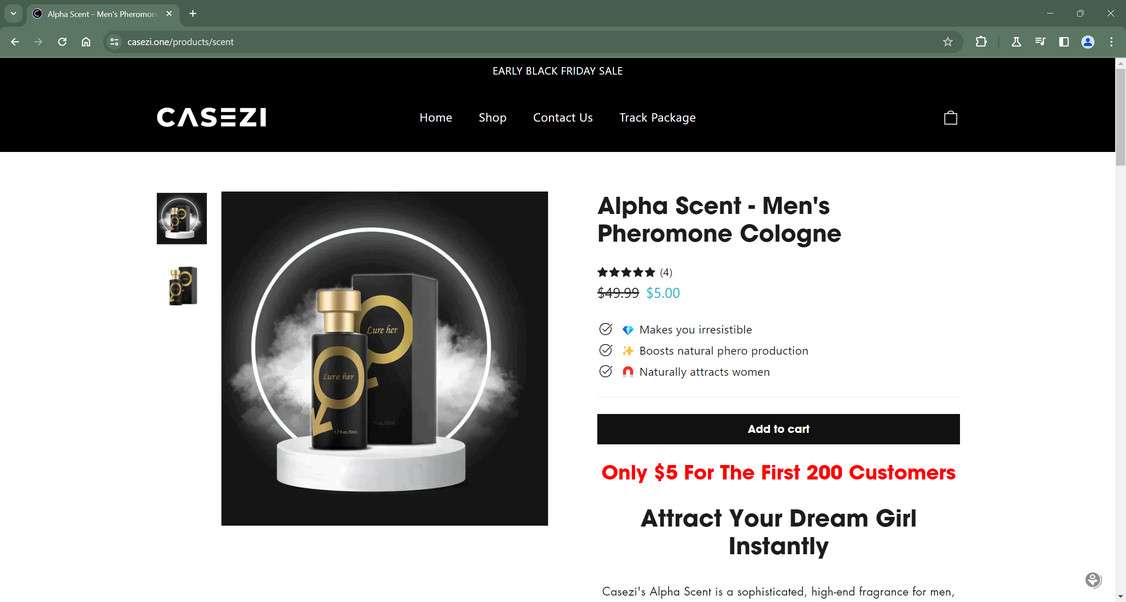
Casezi.one operates under the guise of a legitimate ecommerce store, offering deep discounts on trendy electronics, gaming accessories, jewelry, fragrances, phone cases, and more. The scam centers around the ‘Casezi Club’ subscription that is automatically activated during checkout, resulting in recurring monthly charges to customers’ payment methods.
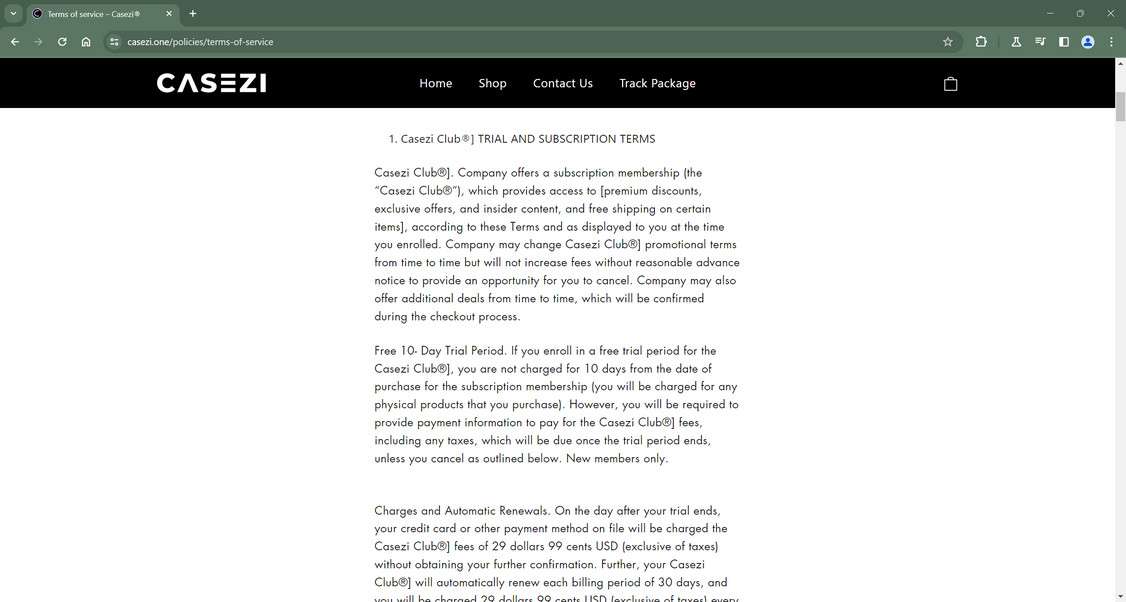
The site advertises the subscription as providing access to ‘premium discounts, exclusive offers, insider content, and free shipping’, but in reality it exists solely to generate recurring revenue through monthly fees that customers didn’t intend to sign up for.
The scam takes advantage of shoppers’ excitement over the advertised discounts and rush to checkout quickly before deals sell out. Buried in the fine print during checkout is the fact that by completing their purchase, customers are automatically enrolled in a ‘free trial’ of the Casezi Club, which converts to a paid monthly subscription after 10 days.
This deceptive tactic makes it very easy for customers to overlook the terms and unintentionally sign up for a costly monthly subscription they never wanted. Cancelling is made deliberately difficult, requiring contacting customer support via phone during limited hours.
How the Casezi.one Scam Works
The operators of Casezi.one have devised an intricate scam designed to mislead shoppers and charge recurring monthly fees without consent. Here is a step-by-step look at how their deceptive scheme works:
1. Advertise on Social Media
Casezi.one relies heavily on Facebook, Instagram, and TikTok ads to drive traffic to their site. These ads highlight unbelievable discounts on hot products like video game accessories and fragrances. The fear of missing out on LIMITED TIME DEALS! creates urgency and entices social media users to click through to the site.
2. Misrepresent the Casezi Club
On the site, a ‘Casezi Club’ membership is advertised in positive terms like providing access to special offers and free shipping. There is no indication that this is actually a monthly subscription. Its inclusion in product listings and the checkout flow is designed to misconstrue it as a loyalty program rather than a paid service.
3. Bury the Subscription Terms
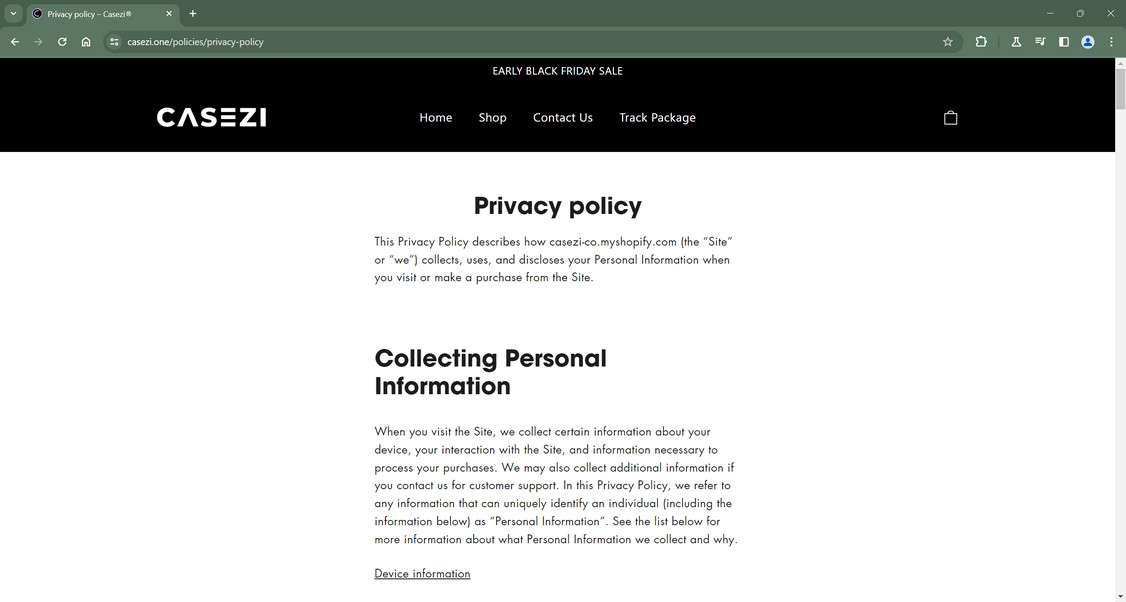
During checkout, a ‘Free 10-Day Trial Period’ for the Casezi Club is mentioned but the recurring billing is buried in fine print. Language like ‘you will be required to provide payment information’ obscures the fact that customers will be charged after the trial ends.
4. Sign Up Customers Without Consent
By completing the checkout process, the site takes this as authorization to enroll customers in the trial and charge their payment method on file after 10 days. No additional consent is obtained before transitioning trial members to paid monthly subscribers.
5. Make Cancellations Difficult
Canceling requires contacting customer support via phone during limited hours. The site also continues charging until cancellation is confirmed, so delays increase fees. They discourage chargebacks, beting on the hassle of stopping payments to retain unwilling recurring revenue.
6. Enrich Scammers with Recurring Fees
Each month, thousands of customers who never intentionally signed up for Casezi Club get billed $29.99. These unauthorized credit card charges pad the pockets of the scam operators, while banks decline fraud victims’ chargeback attempts due to ‘terms authorization’ during checkout.
What to Do if You’ve Fallen Victim to the Casezi.one Scam
If you’ve completed a purchase on Casezi.one and later discovered unexpected recurring charges from Casezi Club on your credit card or bank statement, here are some important steps to take in response:
Cancel The Subscription Immediately
Act quickly to prevent being billed again next month. Call Casezi.one customer support right away at (888) 819-1543 to cancel the unauthorized subscription. Get confirmation over email as well by sending a cancellation request to their support email.
Keep a record of these communications showing you revoked consent for further charges. If they are unresponsive via phone and email, send a cancellation letter via certified mail as further proof.
Dispute The Charges
Notify your credit card company or bank immediately to dispute any fraudulent Casezi Club charges. Explain that the monthly subscription was activated without your consent and you want the payments reversed.
Provide copies of any cancellation confirmations you received from the company. If the bank sides with the merchant, you may need to escalate to a chargeback claim by providing police reports regarding the unauthorized billing.
Beware Recurring Payments
Even after canceling the subscription itself, keep monitoring statements closely for any further Casezi.one charges. Disreputable merchants often continue billing cancelled recurring payments due to ‘errors’. Dispute any new charges promptly.
Consider proactively contacting your bank to revoke authorization rights from the merchant to charge your payment method again without consent. This provides an extra layer of protection.
Adjust Payment Method Settings
To prevent other shady merchants from being able to charge your accounts in the future, update your payment method preferences. For credit cards, set up transaction alerts and limit recurring payments. For bank accounts, remove authorization for overdraft coverage on purchases.
Report Fraudulent Activity
File formal complaints about the scam with the FTC, state attorney general, and BBB to join other defrauded customers in seeking accountability. These reports help authorities identify shady businesses engaging in illegal billing practices for further investigation.
Also leave reviews about the experience across consumer sites to warn others before they fall into the subscription trap. Spreading awareness can help curb their social media advertising reach.
Frequently Asked Questions about the Casezi.one Scam
The Casezi.one scam has left many online shoppers confused after discovering unexpected subscription fees hit their accounts. Below are answers to some frequently asked questions about how their deceptive tactics work and how to respond.
What is Casezi.one?
Casezi.one portrays itself as an online retailer offering deep discounts on popular consumer products like electronics, jewelry, fragrances, and phone cases. However, it operates a deceptive subscription scam ensnaring customers into recurring credit card charges without consent.
How does the Casezi.one scam work?
The site tricks customers into signing up for a subscription called the “Casezi Club” by burying the terms in fine print during checkout. A “free trial” converts to paid monthly fees after 10 days. Cancelling requires phoning support, so many never realize they’ve been subscribed until the charges hit their accounts.
What products does Casezi.one sell?
Hot electronic items like video game accessories and phone cases are advertised at huge discounts to lure shoppers. But the real goal is signing people up for the monthly Casezi Club subscription without consent, not selling products.
How much does the Casezi.one subscription cost?
After a 10-day trial period, the Casezi Club automatically starts charging customers’ payment methods on file $29.99 monthly. These unauthorized recurring fees continue until the subscription is specifically cancelled through their support.
Does Casezi.one offer free shipping?
Free shipping is promoted as a subscription benefit. However, it is highly unlikely any physical products ordered actually get shipped. The “deals” are a front to obtain payment info to bill monthly Casezi Club fees.
How do I cancel Casezi.one to avoid charges?
Cancelling requires calling their support at (888) 819-1543 during limited hours. You can also email their support team or send a cancellation letter via certified mail. Get cancellation confirmation in writing before the next billing date.
I was charged by Casezi.one – what can I do?
If you see charges from Casezi.one for a subscription you never signed up for, immediately dispute the payments with your credit card issuer or bank as fraudulent. File complaints with the FTC, BBB, and state attorney general.
How can I get my money back from Casezi.one?
Notify your card issuer or bank to reverse any unauthorized Casezi.one charges. Provide copies of cancellation confirmations, highlight the scam tactics used, and escalate to a chargeback claim if needed. Report them for illegally billing customers.
Is Casezi.one a legitimate business?
No – Casezi.one is a fraudulent subscription scam. They lure customers in with fake discounts before enrolling them in recurring credit card charges without consent via deceptive checkout tactics.
How can I avoid the Casezi.one scam?
Be wary of too-good-to-be-true discounts on social media and closely scrutinize terms during checkout on unfamiliar sites. Avoid sites that bury subscription terms or don’t clearly confirm your billing consent. Monitor statements closely and dispute suspicious charges.
Can I get Casezi.one shut down?
You can report them to the FTC, state attorney general, and BBB to raise awareness of their illegal billing practices. Consumer complaints help authorities identify shady merchants and may lead to investigations that could ultimately shut down the scam.
The Bottom Line on Casezi.one
Casezi.one relies heavily on social media ads and exploitative sales tactics to push overpriced subscriptions and charge customers’ payment methods without consent. Their elaborate scam results in thousands of victims unwittingly enrolled in a difficult-to-cancel monthly membership they never wanted.
Shoppers enticed by the advertised deals discover too late that completing a purchase triggers ‘authorization’ for recurring Casezi Club fees. Canceling the unwanted subscription requires frustrating communication attempts before more charges hit. Many ultimately close affected accounts to halt the billing authorization.
Stay vigilant against subscription scams that mislead customers during checkout and make canceling a nightmare. Limit payment method overdrafts, monitor statements closely, and dispute any fraudulent charges promptly to protect yourself. Report illegal billing activities to authorities so regulatory pressure can help shut down these dishonest schemes targeting deal seekers across social media.








