

The CineMaster Pro is a 4K LED projector that promises to deliver a cinematic viewing experience right at home. With claims of stunning 100-inch visuals, built-in Google Play Store access, and auto image correction, it certainly sounds enticing to movie lovers. But with its conspicuous marketing tactics and lack of transparency, potential buyers need to dig deeper before purchasing.
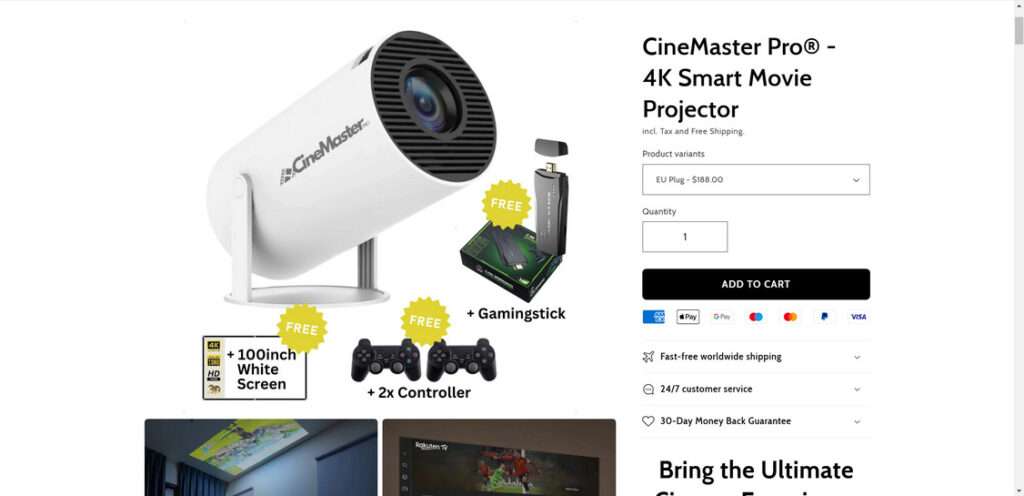
Aggressive Marketing Raises Red Flags
While the CineMaster Pro website showcases the projector’s capabilities and frames it as a dream gadget for home theaters, it utilizes several aggressive marketing tactics that should give pause:
- Only positive reviews are highlighted, while negative feedback on Reddit is omitted.
- Big discounts, free gifts, and limited-time offers create false urgency.
- Bold claims of “turning any room into a cinema” seem exaggerated.
- Stats of 82,000+ happy customers are dubious for a relatively new site.
These techniques aim to entice buyers but mask potential downsides. Independent research is needed to counteract this slanted perspective.
Questionable Quality and Misleading Claims
While the CineMaster Pro is advertised as an ultra HD 4K projector, users dispute this specification. Reviews state lower resolution, brightness, and overall performance than marketed.
Graphics also showcase Netflix, YouTube and other apps that may not be officially supported. This obfuscation raises concerns about misleading advertising.
Lack of Transparency Around Company and Support
The CineMaster Pro website lacks any information about a parent company, physical address, or phone contact. It only provides a web form for customer service inquiries.
This lack of transparency regarding who stands behind the product and how to reach them directly makes it riskier for customers if issues arise. It prevents buyers from verifying the business legitimacy.
Pricing and Availability Point to Reselling
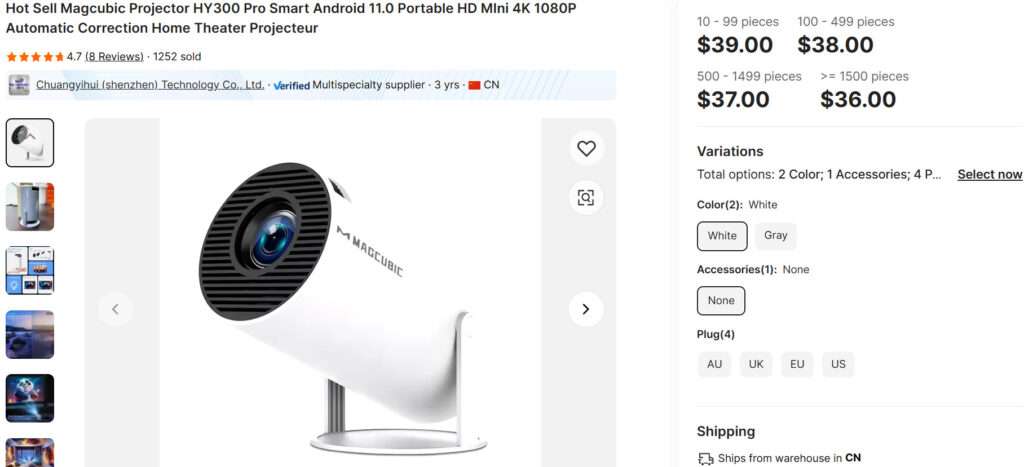
While the CineMaster Pro costs $190 USD on its website, Alibaba listings showcase similar projectors for under $30 USD. This enormous price difference indicates the website is likely not the original manufacturer but rather a middleman reseller.
Frequently Asked Questions about the CineMaster Pro Projector
1. Is the CineMaster Pro projector legit or a scam?
The CineMaster Pro exhibits several red flags that point to it being a scam. Aggressive marketing tactics, inflated pricing, lack of company transparency, exaggerated claims, and questionable reviews suggest buyers should be very cautious and avoid purchasing this projector. Cheaper, more reputable alternatives likely exist.
2. What are some of the concerns with the CineMaster Pro?
Concerns include misleading advertising about 4K resolution, brightness, and app support. The website also lacks proof of claimed safety certifications, company address and contact details. Pricing is far higher than Alibaba costs for similar Chinese projectors. Overall the projector seems overhyped.
3. Why is the pricing of the CineMaster Pro suspicious?
The projector costs $190 on its website, but Alibaba shows essentially the same gadget for under $30. This huge markup indicates CineMaster Pro is likely a “white label” middleman reseller, not the manufacturer.
4. Are the CineMaster Pro reviews reliable or fake?
Reviews on the website appear suspiciously glowing, while negative feedback on Reddit is omitted. Questionable claims of 82,000+ happy buyers also seem bogus for a new site. Reviews are likely manipulated or fabricated.
5. Is the company behind CineMaster Pro reputable?
There are no details about the company available on the website, casting doubt on its reputation. Lack of physical address, phone number, or company history makes the business seem unreliable.
6. How does CineMaster Pro customer service/support appear?
No phone or email contact is provided, only a web form. This lack of direct customer service channels is concerning, especially if product issues arise. It seems best to avoid the potential hassle.
7. What precautions should be taken if buying this projector?
It’s likely safest to avoid this projector entirely. But if purchasing, use a credit card for buyer protection. Verify return policies and warranties in writing. Research the company behind it thoroughly first.
8. What are better home projector alternatives?
For a similar price, consider reputable brands like Optoma, ViewSonic or BenQ. Read reviews on Rtings, Amazon, Best Buy etc. Prioritize transparent companies with direct support contacts provided.
Should You Buy the CineMaster Pro Projector?
The CineMaster Pro makes big promises about delivering an elite home cinema experience, but its slick marketing provides an incomplete picture. Questionable claims, lack of technical transparency, unavailable company details, and inflated pricing point to this being a “white label” projector resold at a steep markup.
Potential buyers would be prudent to take its advertisements with a grain of salt. Carefully weighing its pros, cons and unknowns against alternatives in the market is recommended before purchasing. For most movie lovers, cheaper projectors with more transparent company track records likely represent a smarter choice.
This article is for educational purposes only and does not constitute professional, financial or legal advice. The content is intended for general information and should not be construed as definitive guidance. Information contained herein is subject to change without notice.  For concerns, please contact us via the provided form.
If you are the owner of the website or product in question and wish to offer clarifications regarding your business or website, please reach out to us through the provided Contact Form.

Join the discussion
0 commentsShare your experience or ask a question about this article.
Discussion
Start the conversation
Have a question or something useful to share? Add the first comment.