

When it comes to computer security, it’s important to understand the various components and software that are installed on your system. One such component that you may come across is the Cisco PEAP Module. In this article, we will explore what the Cisco PEAP Module is, its purpose, and whether or not you should consider uninstalling it.
What is the Cisco PEAP Module?
The Cisco PEAP Module, also known as the Protected Extensible Authentication Protocol Module, is a software component developed by Cisco Systems. It is designed to provide secure authentication for wireless networks using the PEAP protocol. PEAP is an authentication method that encapsulates the authentication process within an encrypted tunnel, ensuring the confidentiality of user credentials.
The Cisco PEAP Module is typically installed on systems that use Cisco wireless network equipment or connect to networks that employ Cisco’s wireless infrastructure. It works in conjunction with other software components, such as Cisco AnyConnect, to establish a secure connection between the user’s device and the wireless network.
Why is the Cisco PEAP Module Installed?
The primary purpose of the Cisco PEAP Module is to enhance the security of wireless network connections. By using the PEAP protocol, it ensures that user credentials are transmitted securely over the network, protecting them from potential eavesdropping or interception.
Wireless networks are inherently more vulnerable to security threats compared to wired networks. Without proper security measures, attackers can easily intercept wireless communications and gain unauthorized access to sensitive information. The Cisco PEAP Module helps mitigate these risks by providing a secure authentication mechanism.
Should I Uninstall the Cisco PEAP Module?
Whether or not you should uninstall the Cisco PEAP Module depends on your specific needs and circumstances. Here are a few factors to consider:
1. Do you use Cisco wireless network equipment?
If you use Cisco wireless network equipment or connect to networks that utilize Cisco’s wireless infrastructure, it is recommended to keep the Cisco PEAP Module installed. Removing it may prevent you from connecting to these networks or cause compatibility issues.
2. Do you frequently connect to public Wi-Fi networks?
If you frequently connect to public Wi-Fi networks, such as those found in coffee shops, airports, or hotels, it is generally advisable to keep the Cisco PEAP Module installed. Public Wi-Fi networks are often targeted by attackers, and having the additional security provided by the Cisco PEAP Module can help protect your credentials and data.
3. Are you experiencing any issues or conflicts?
If you are experiencing any issues or conflicts with the Cisco PEAP Module, such as system instability or performance problems, you may consider uninstalling it. However, before doing so, it is recommended to seek assistance from technical support or consult relevant online forums to troubleshoot the issue.
How to Uninstall the Cisco PEAP Module?
If you have decided to uninstall the Cisco PEAP Module, here are the general steps to follow:
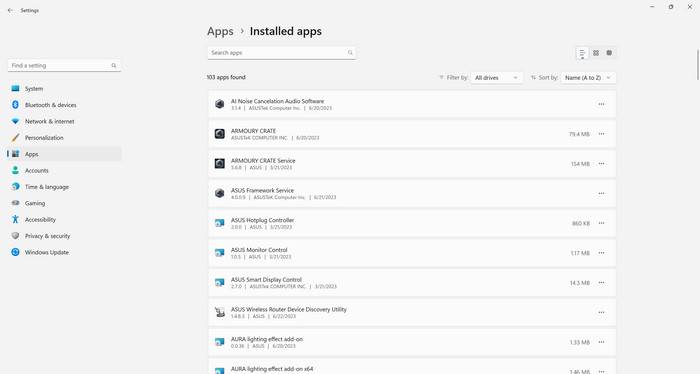
- Open the Control Panel on your Windows computer.
- Select “Programs” or “Programs and Features.”
- Locate the Cisco PEAP Module in the list of installed programs.
- Right-click on the Cisco PEAP Module and select “Uninstall” or “Remove.”
- Follow the on-screen prompts to complete the uninstallation process.
It is important to note that the exact steps may vary depending on your operating system version and configuration. If you encounter any difficulties during the uninstallation process, it is recommended to consult the official documentation or seek assistance from technical support.
Conclusion
The Cisco PEAP Module is a software component that enhances the security of wireless network connections by using the PEAP protocol. While it is generally recommended to keep the Cisco PEAP Module installed if you use Cisco wireless network equipment or frequently connect to public Wi-Fi networks, the decision to uninstall it ultimately depends on your specific needs and circumstances.
If you decide to uninstall the Cisco PEAP Module, make sure to follow the appropriate steps and consult official documentation or technical support if needed. Additionally, it is always a good practice to regularly scan your system for malware using reliable security software like Malwarebytes Free to ensure the overall security of your computer.

Join the discussion
0 commentsShare your experience or ask a question about this article.
Discussion
Start the conversation
Have a question or something useful to share? Add the first comment.