

The Crypto Recovery scam targets cryptocurrency investors who have lost access to their assets. Scammers pose as legitimate recovery services to trick victims into paying exorbitant upfront fees, only to disappear with the money. This guide provides an in-depth look at how the scam operates, who is behind it, and most importantly, how to avoid falling victim yourself. We also outline steps to take if you already paid a scam recovery service.


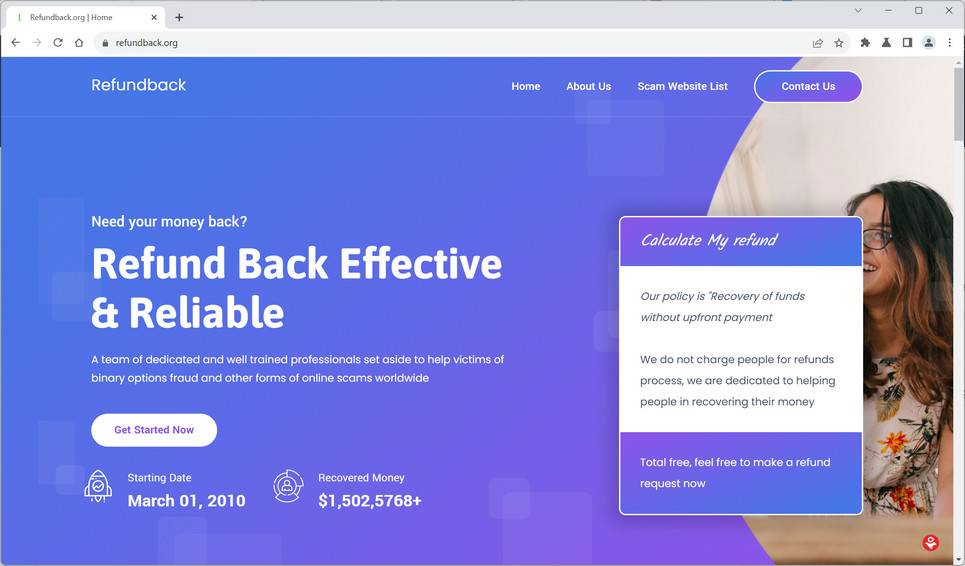
Crypto Recovery Scam Overview
The Crypto Recovery scam is a fraudulent scheme that targets victims who have lost access to their cryptocurrency wallets or had crypto stolen from them. Scammers pose as a legitimate recovery service that can help victims regain access to their lost crypto assets. However, it is simply a ploy to steal more funds from victims.
This scam relies on victims’ desperation to recover their lost cryptocurrency. Scammers claim they can recover wallets or reverse fraudulent transactions, but request an upfront fee before services are provided. Of course, after sending the fee, victims never hear back from the “recovery service.”
The Crypto Recovery scam has surged in popularity over the last year as cryptocurrency adoption has increased. With more people investing in crypto, there are unfortunately more targets for this scam. Major cryptocurrencies like Bitcoin and Ethereum have been used to dupe victims out of thousands of dollars.
This guide will provide an in-depth look at how the Crypto Recovery scam operates, who is behind it, and most importantly, how to avoid falling victim yourself. We will also outline what to do if you already paid a scam recovery service, as well as provide a FAQ section to address common questions and concerns.
How the Crypto Recovery Scam Works
The Crypto Recovery scam begins when scammers set up a fake recovery website or customer support line. They make bold claims about their ability to recover lost cryptocurrency funds. The website or agents use lots of technical jargon to sound legitimate.
Most victims have either lost access to their cryptocurrency wallets or been the target of a theft. They search online for solutions to recover their lost funds. The scam recovery services are designed to show up high in these searches.
When victims make contact, the scammers instruct them to provide details about their case. This usually includes:
- Type of wallet and login details (if available)
- Approximate amount of cryptocurrency lost
- Circumstances around loss of funds
- Cryptocurrency addresses associated with the missing assets
The scammers claim they can initiate the recovery process. However, they first require an upfront fee, typically 10-30% of the total value of the missing cryptocurrency. Scammers insist the fee is essential for securing the victim’s spot in the recovery queue or to unlock the recovery process.
If victims comply and send the fee, the scammers cut off all communication. They disappear with the money, leaving victims both without the original missing cryptocurrency or the recovery fee they paid.
Some variations of the scam include:
- Impersonating legitimate companies: Scammers create fake websites and customer service numbers that look identical to real cryptocurrency recovery firms. This helps them appear credible.
- Romance scams: Scammers develop a relationship with the victim online and then claim they can recover lost cryptocurrency funds for them. This builds trust to convince the victim to send a recovery fee.
- Blackmail: Scammers threaten to expose sensitive information about the victim unless they pay a recovery fee to regain access to their cryptocurrency.
- Multi-level fees: Scammers claim the initial fee only begins the recovery process. They then insist on several additional fees for fake costs and taxes before the funds can be returned.
The scam takes advantage of desperate victims who have limited avenues for recovering their lost cryptocurrency. Unfortunately, once the scammers receive the upfront fee, the victim’s money is as good as gone.
Who is Behind the Crypto Recovery Scam?
The Crypto Recovery scam is orchestrated by cybercriminal networks, mainly operating out of regions like Russia, China, Ukraine, and Nigeria. Individual scammers play various roles in the scheme:
- Tech-savvy scammers build the fake recovery websites, customer service chat bots, and payment processing funnels.
- Smooth-talking scammers interact with victims as fake customer service agents via phone, email, or chat.
- Money mules provide cryptocurrency wallet addresses to receive and cash out the scam proceeds.
- Organized crime rings bankroll the operation and collect the stolen funds from money mules. They invest a portion of proceeds into scaling the scam.
- Hackers gain access to victims’ devices and accounts, then sell the stolen cryptocurrency to the crime rings. The rings use this crypto to bait victims during recovery scams.
The individuals who interact directly with victims are typically low-level players carrying out the grunt work. They receive a small cut of the profits. The big money goes upstream to the crime ring leaders funding and orchestrating the scam.
These organized groups operate internationally to take advantage of jurisdiction gaps. They are aggressive about scaling their crypto recovery scam operations to cast a wider net for victims. Losses per victim commonly reach $5,000 to $20,000 USD or higher.
Warning Signs of a Crypto Recovery Scam
Here are some red flags to help spot a disingenuous cryptocurrency recovery service:
- They guarantee recovery of funds: No legitimate recovery service can guarantee results. The scammers promise unrealistic outcomes to build false hope.
- They urgently pressure you to pay: Scammers insist you must act quickly or risk losing your funds forever. Real recovery attempts can take weeks with no guarantees.
- Only cryptocurrency payments accepted: They will not accept credit card, wire transfer or other common payment methods. Cryptocurrency payments are irreversible.
- Anonymous owners and operators: The website provides no background on the company, ownership, or agents. Scams stay anonymous to avoid accountability.
- No physical address: Search the company name online and you’ll find no business registration or physical address.
- Too many glowing reviews: The website has tons of 5-star reviews praising their service. Look closer and the reviews seem fake or paid.
- Grammar and spelling mistakes: Scam sites contain typos, bad grammar, and misspellings. Legitimate companies proofread content.
- Aggressive customer support: Agents pressure you excessively to pay the fee without considering your circumstances.
- No money-back guarantee: There is no refund offered if the recovery fails, a huge red flag.
Conduct thorough research before agreeing to any cryptocurrency recovery service. Look for online reviews and complaints. Contact your local consumer protection agency for any known scams. A legitimate company will not pressure you to act instantly.
How to Avoid Falling Victim
Here are some tips to avoid this devastating scam:
- Never share wallet login details or recovery phrases. Scammers will steal any cryptocurrency they gain access to.
- Beware of people contacting you directly about recovery options. Only initiate contact yourself after thorough vetting.
- Research the company extensively beforehand. Search for negative reviews, complaints, and suspicious information.
- Don’t trust slick websites at face value. Scammers create professional looking sites to gain confidence. Verify legitimacy.
- Avoid companies that require upfront fees. Only send money once some recovery has been demonstrated.
- Double check cryptocurrency addresses before sending funds. Make sure the address belongs to the intended recipient.
- Use a reputable recovery company. Reliable options exist, especially for popular cryptocurrencies like Bitcoin.
- Store cryptocurrency securely. Keep private keys and seed phrases safe to reduce chances of loss or theft in the first place. Enable 2-factor authentication.
- Report scam attempts to authorities and consumer agencies so they can warn others. This helps undermine the scammers’ efforts.
With vigilance and safe cryptocurrency habits, you can avoid this scam entirely. Don’t let scammers capitalize on desperation after a cryptocurrency loss – stay cautious of miracle recovery solutions.
What to Do if You Paid a Scam Recovery Service
If you already fell victim to a scam recovery website or agent, take these steps right away:
- File a report with your local police department and the FBI Internet Crime Complaint Center at www.ic3.gov. Provide all available details about the scam website, agents, cryptocurrency addresses, and payment transactions.
- Notify your bank or payment provider. Report the transactions as fraudulent so they can attempt to reverse the payments and prevent further losses.
- Report the scam website and agents to consumer protection groups in your area and online scam reporting websites. Try to have their recovery website shutdown.
- Warn others about the scam by reporting the website on forums, review sites, social media, and to relevant cryptocurrency communities. Spreading awareness helps prevent further victimization.
- Consult with a cybersecurity professional. They may identify additional reporting channels and assist with analyzing transactions to potentially trace the scammers. This can strengthen investigative efforts.
- Be prepared to testify. Authorities may request your testimony to prosecute the scammers down the road. Keep all documentation related to your case.
- Seek legal counsel about civil action options. An attorney can assess if you may have any path to recover lost funds through the legal system, such as suing the scammers if they are caught and funds recovered.
- Let it be a costly lesson. Take steps to prevent falling victim to scams again, such as always conducting thorough due diligence on any blockchain recovery services. Never act from desperation.
Unfortunately, once scammed it is very difficult to recover stolen cryptocurrency funds. But reporting diligently raises hope of eventually identifying the criminals. This saves others from being victimized next.
Crypto Recovery Scam FAQ
Here are answers to some frequently asked questions about the Crypto Recovery scam:
How do scammers find their victims?
Scammers find victims through:
- Search ads for terms like “Bitcoin wallet recovery”
- Active posts on crypto forums describing issues accessing funds
- Contact info obtained from data breaches
- Prior victims referring new targets to the scam service
Why can’t cryptocurrency transactions be reversed?
Unlike credit card or bank transfers, crypto transactions on blockchains like Bitcoin and Ethereum are designed to be irreversible. There is no central authority that can reverse or refund transactions. This prevents double spending but also makes crypto transactions risky.
Can wallet recovery companies legitimately help?
There are legitimate cryptocurrency recovery services, but success is not guaranteed. They use specialized techniques for cases like forgot wallet passwords or seed phrases. However, they should never guarantee results or require upfront payment.
If scammers are caught, can victims get their money back?
Very rarely. It is difficult to identify, catch and prosecute international cybercriminal networks. Even if scammers are apprehended, or cryptocurrency addresses are identified, recovering stolen funds is unlikely. Still, reporting scams is critical to protect others.
How can I check if a recovery company is legit?
Thoroughly research the company for background information, customer reviews, complaints and mentions by cybersecurity or consumer protection authorities. Beware of guarantees, urgency tactics, or requests for upfront payment. Get everything in writing before sending any amount.
What are common scam recovery fees?
Fees typically range from 10% to 40% of the total value of the missing cryptocurrency. The more desperate the victim, the higher the fee scammers can demand. Fees over $5,000 are common. Scammers may also request payments in segments, scamming more money over time.
Can I get in legal trouble if I report the scam anonymously?
You shouldn’t get in legal trouble for reporting anonymously in most regions. Consumer protection groups allow anonymous tips. However, providing your identity can strengthen investigations, or assist if victims take legal action in the future. Only reveal personal details to authorities you trust.
What will happen if I sign a contract with a scam recovery company?
The contract is merely a technique to fabricate legitimacy and pressure victims. The scammers have no intention of providing real recovery services. The contract is fake and unenforceable. Regardless, never sign any documents from an unverified source when trying to recover lost cryptocurrency.
Conclusion
The Crypto Recovery scam is an insidious scheme that exploits vulnerable victims desperately seeking to recover their lost cryptocurrency funds. These professional fraud operations can seem credible and coercive but are only after your money.
With cryptocurrency on the rise, scams now target crypto holders just as frequently as traditional finances. But there are best practices you can follow to avoid being manipulated, like thoroughly vetting any blockchain recovery services and never providing private account information or upfront fees.
If you do fall victim to this scam, cut off contact immediately and report to all relevant authorities and consumer protection services. This helps prevent the scammers from claiming additional victims. While rare, reporting also offers a chance of eventually prosecuting the criminals and potentially recovering some stolen funds.
The Crypto Recovery Services scam offers an expensive lesson about safe cryptocurrency management. Be vigilant in protecting your crypto holdings through security best practices. And always think twice before trusting any unverified recovery services. With caution, you can avoid this scam entirely and enjoy the world of cryptocurrency safely.








