

The advertisement shows a beaded bracelet beside healthy lungs drawn as green leaves, then claims nicotine cravings will collapse because seventeen thousand Gauss magnets rewired the nerves in your wrist. Within three weeks, the copy says, most wearers simply stop wanting cigarettes.
That story travels across clone storefronts with names like Czticle, Newyuo, and Nuturex, often recycling the same percentages, the same penetration depth, and the same twenty one day timeline. What it does not travel with is clinical evidence that a cheap bracelet can replace proven cessation care.
AFP fact checkers reviewed magnetic anti smoking bracelet ads and found no FDA approval and no supporting research from leading tobacco treatment experts. Buying jewelry can remain optional for style, while delaying real quit help because a magnet promised a shortcut remains the costly mistake.
Overview
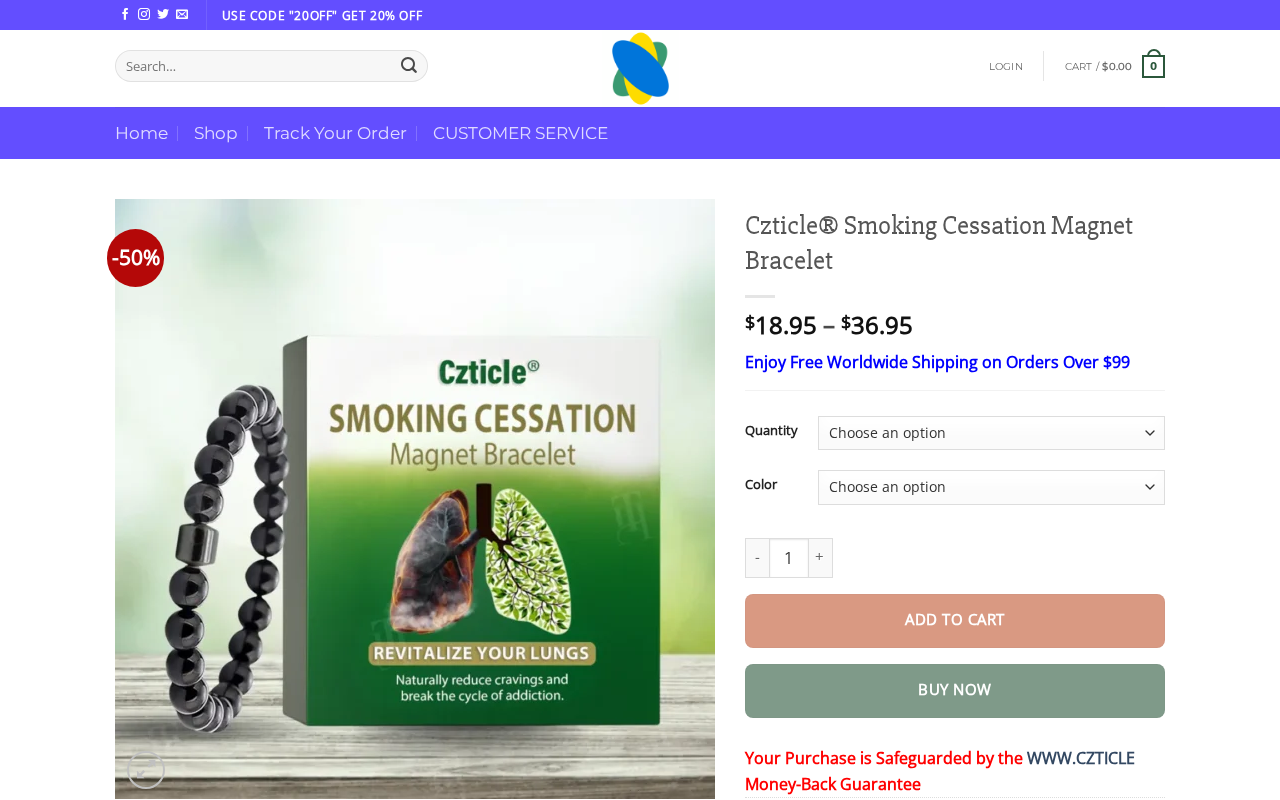
Czticle style ads on the brand storefront promote an anti smoking magnetic bracelet as a natural tool that blocks bioelectric addiction signals at the wrist. Product pages claim medical grade neodymium magnets at about 17,000 Gauss penetrate roughly 2.5 centimeters, interrupt craving pathways, and deliver success rates such as ninety four percent freedom within twenty one days.
Those numbers are presented as if they came from clinical measurement. The pages generally do not identify a peer reviewed trial, an ethics board, a sample size, or an independent laboratory report tied to the finished bracelet you would actually wear.
AFP reported that the U.S. Food and Drug Administration has not approved magnetic bracelets as a smoking cessation method. Tobacco researchers quoted in that fact check said they knew of no supporting studies for the wristband approach promoted on social commerce sites.
Real treatments with evidence include nicotine replacement therapies such as patches, gum, and lozenges, certain prescription medicines when appropriate, counseling, and quit lines. Clinic based transcranial magnetic stimulation is a separate medical procedure using powerful equipment under clinical protocols, not a beaded accessory sold through an ad checkout.
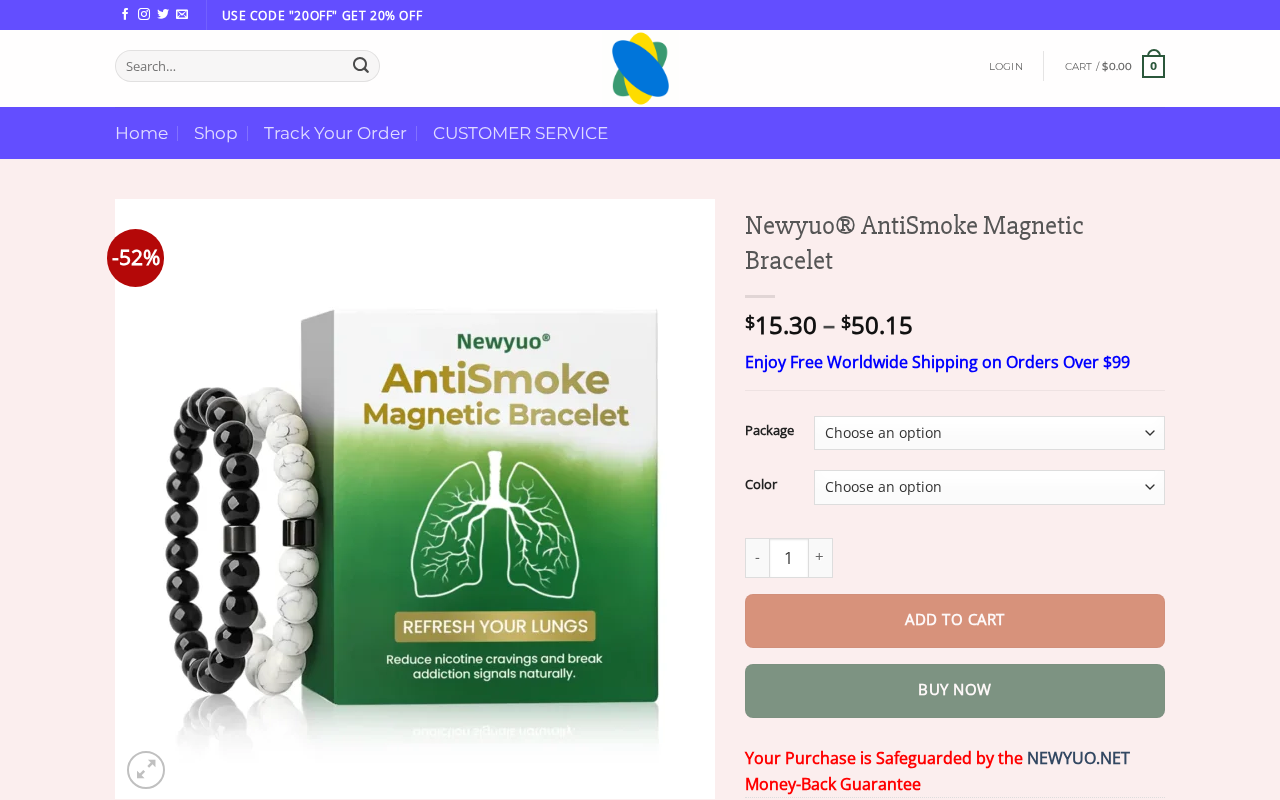
Clone pages under rotating brand domains repeat the Czticle script with swapped logos and discount badges. Prices often land in a wide band around the high teens to mid thirties dollars depending on multipacks, which already hints that the hardware is inexpensive jewelry rather than regulated therapeutic equipment.
Some consumer reviewers of similar magnetic quit bracelets also question whether the beads are meaningfully magnetic at all. Whether a weak magnet is present or absent, the medical claim remains unsupported. A non magnetic bracelet with fake Gauss marketing is simply a clearer illustration of the same overhype machine.
How These Ads Work
1. A feed video promises quitting without withdrawal work
The funnel starts with a short social clip aimed at people who feel exhausted by cravings. A narrator describes decades of smoking ending after a bracelet arrives, usually with before and after energy that skips the messy middle of nicotine withdrawal.
Urgency banners, discount codes, and free shipping thresholds push a click before the viewer compares the claim with FDA quit resources or talks with a clinician. Desperation is the fuel in that moment, and the bracelet is only the prop.
2. Fabricated precision makes jewelry sound like a medical device
Copywriters stack numbers that feel scientific: 17,000 Gauss, 2.5 centimeter penetration, eighty nine percent signal blocking, sixty seven percent craving reduction, seventy eight percent fewer morning urges by day three. Precision without a cited study is still fiction, no matter how confidently those percentages sit beside a dramatic lung illustration.
Buyers are meant to imagine nerve maps and laboratory instruments behind the figures, even when the page never shows a real citation for any of them. What they can usually verify is a product photo of polished beads, a cardboard box with lung artwork, and a checkout button.
3. Clone storefronts rotate while the script stays fixed
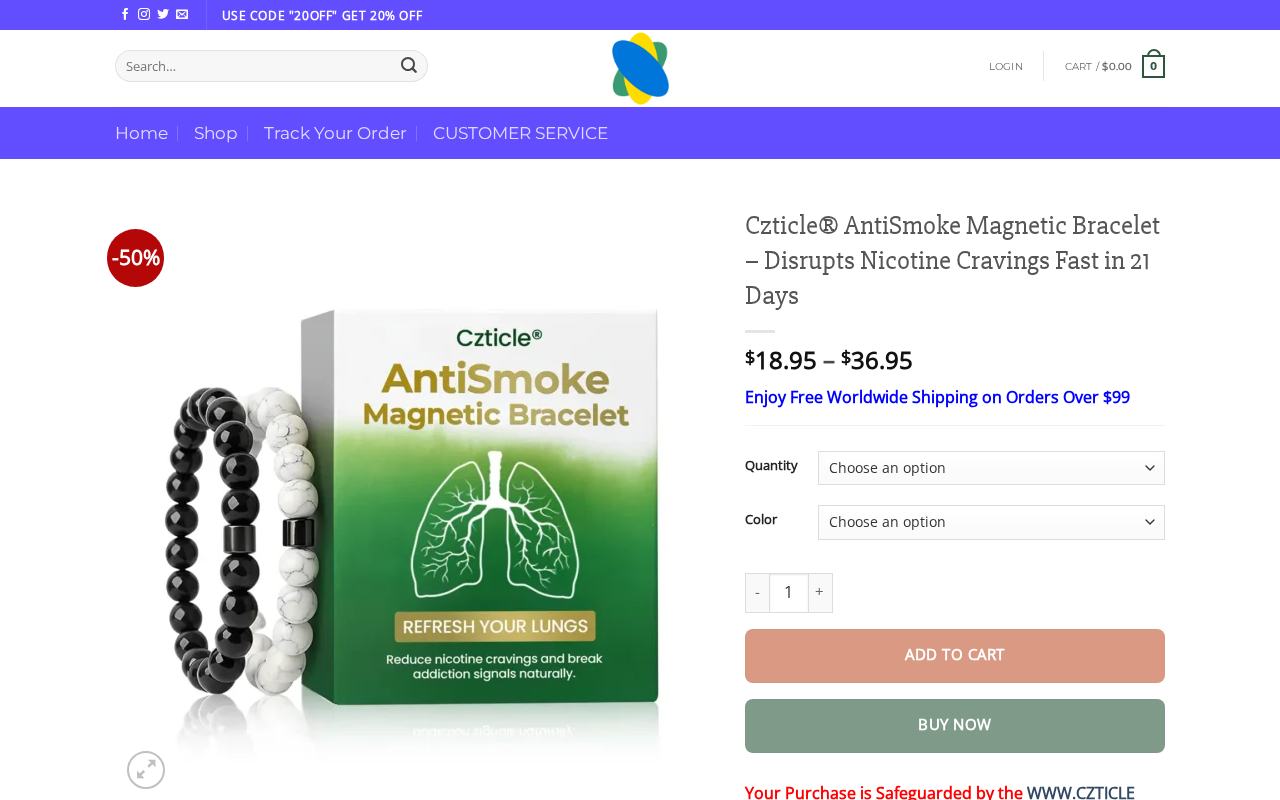
One week the logo says Czticle. Another week it says Newyuo or appears as an official store badge on a third merchant. The lung graphic, the twenty one day calendar, and the heavy smoker FAQ answers travel with almost no rewriting.
That rotation protects the campaign from review piles and ad account bans. It also means a consumer warning should target the claim mechanism rather than one disposable hostname alone.
4. FDA language is borrowed without approval for cessation
Some pages mention FDA registered manufacturing facilities or laboratory standards in ways that suggest regulatory blessing for quitting smoking. Facility registration language is not the same thing as FDA authorization of a bracelet as a cessation device.
AFP and other fact checks have been clear that magnetic bracelets of this type are not approved smoking cessation products. Shoppers who see FDA adjacent wording should read it as a trust costume until an actual indication appears on an official listing.
5. Checkout sells multipacks as if more bracelets equal more science
Quantity selectors encourage two or three piece bundles at stepped discounts. The implication is that buying more hardware increases the chance of quitting, which is a commercial upsell rather than a dose response demonstrated in trials.
Money back guarantee text often appears in bright colors near the buy button. As with other dropship funnels, the practical return path may involve buyer paid shipping, short windows, or slow support once the emotional ad energy is gone.
6. Delivery reveals inexpensive jewelry with outsized promises
Customers who receive a parcel typically get beads on an elastic cord and printed claims repeated from the website. There is no clinician intake, no monitored withdrawal plan, and no validated way to measure the alleged bioelectric blockade at home.
If the bracelet has little or no detectable magnetism, the gap between marketing and object becomes impossible to ignore. Even a genuinely magnetic bead cannot manufacture clinical results that studies have not shown.
7. The hidden cost is postponed cessation care
Every week spent waiting for a bracelet to erase cravings is a week not spent using nicotine replacement, counseling, prescription options when suitable, or a free quit line. Tobacco related disease risk continues during that delay, which is the real cost of treating jewelry marketing as a cessation plan.
Placebo motivation can help some people briefly when any ritual feels like progress, yet that temporary lift is not a substitute for proven cessation care. Relying on fabricated Gauss marketing as a treatment plan is still a dangerous bargain when evidence based tools already exist and remain underused.
What Evidence Based Quitting Looks Like Instead
Nicotine replacement therapies deliver measured nicotine without cigarette smoke, which can reduce withdrawal intensity while a person changes routines. Combining NRT with counseling generally outperforms either approach alone for many smokers.
National quit lines and public health sites walk people through planning, triggers, and medication questions without selling a fashion accessory. Those services are intentionally boring because boredom is often where effective care lives.
Clinic delivered neuromodulation, when used at all, happens under medical supervision with equipment far removed from a wrist bead. Ads that blur that distinction are trading on the word magnetic while discarding the clinical context that gives the word any seriousness.
Why Fabricated Gauss Numbers Spread So Easily
Smoking is sticky, expensive, and loaded with shame for many people who already tried to quit. An ad that offers freedom without patches, without counseling appointments, and without admitting how hard withdrawal can feel will always find an audience.
Social platforms amplify confident medical storytelling faster than they amplify footnotes. A creator can recite seventeen thousand Gauss as if it were a weather report, and viewers have almost no practical way to measure magnetic flux density before the impulse buy completes.
Dropshipping economics then reward claim intensity over product uniqueness. Beads are cheap, boxes are printable, and domain names are disposable, so the creative asset becomes the real inventory while the bracelet remains an interchangeable prop.
Public fact checks help, yet clone pages can outrun a single article by changing a letter in the brand name. Consumers therefore need a mechanism based reflex: extraordinary cessation claims on jewelry are false until a named clinical trial on that finished product says otherwise.
How To Vet A Quit Product Before You Pay
Ask whether the method appears on reputable public health cessation lists, where nicotine replacement, counseling, and certain medicines show up for clear reasons, while magnetic wrist beads do not.
Demand a citation you can open. If the page shouts ninety four percent success, it should name the journal, year, authors, and whether the study tested that exact bracelet rather than an unrelated magnet ritual or an entirely different therapy.
Separate facility slogans from product approvals. A factory can be registered for many kinds of manufacturing without the bracelet itself being authorized to treat nicotine dependence.
Search the image and distinctive phrases. Finding the same lung artwork and FAQ answers under three brand names is a strong signal that you are buying campaign creative, not a breakthrough device.
Price the object as jewelry first. When multipacks still cost less than a few boxes of quality nicotine gum over a month, ask why a supposedly medical grade therapy is priced like fashion accessories from a bulk catalog.
Plan your quit supports before the package ships. If the bracelet fails, you should already know which quit line number to call and which pharmacy product your clinician considers appropriate, so a failed gadget cannot stall the attempt entirely.
Health Risks Of Waiting On A Bracelet
Continuing to smoke while waiting for jewelry to work keeps carbon monoxide, tar, and cardiovascular strain in play. The calendar promises on the sales page do not pause disease risk for twenty one polite days.
People with heart disease, pregnancy, mental health conditions, or heavy dependence often need structured medical advice when they quit. A bracelet ad that claims zero side effects and no withdrawal plan can discourage that conversation at the worst moment.
There is also a quieter psychological harm. After another failed miracle product, some smokers conclude that they are personally incapable of quitting, when the real failure belonged to the marketing claim. That demoralization can postpone the next evidence based attempt for months.
If you already bought the bracelet, you did not fail so much as encounter a persuasive false medical pitch. Use the purchase as a cue to escalate toward proven care rather than as proof that quitting is impossible.
Keep a simple rule beside your phone when the next quit bracelet ad appears. If a piece of jewelry promises to erase nicotine addiction with a magnetic field strength and a three week calendar, close the tab and open a verified cessation resource instead.
You can still enjoy beads as decoration if that brings ordinary pleasure. You should not outsource a life extending health decision to an uncredited percentage on a dropship product page that changes its brand name whenever complaints arrive.
Share this distinction with anyone who forwards the latest quit bracelet video in a group chat. A calming accessory can sit on a nightstand without drama, but a false medical protocol should never replace nicotine replacement, counseling, or a clinician guided plan when someone is ready to stop smoking for good.
What To Do If You Bought One of These Bracelets
1. Stop treating the bracelet as your quit plan. Keep wearing it only if you like the jewelry, but move immediately to evidence based support such as a quit line, nicotine replacement if appropriate, or a clinician visit.
2. Save the marketing claims. Screenshot the 17,000 Gauss promises, success percentages, and any FDA flavored wording beside your order number so you can document misrepresentation.
3. Check your statement for extras. Confirm whether you were charged only once or enrolled into any upsell subscription, then cancel anything recurring in writing.
4. Use the return window if the product was materially not as described. Photograph the bracelet, packaging, and any magnet test you perform for your own records before shipping an authorized return.
5. Ask your card issuer about a dispute when the medical claims were central to the purchase. Provide the AFP style fact context and your screenshots rather than arguing only about bead quality.
6. Report deceptive health advertising to the FTC and to the platform that showed the ad. Pattern reports help more than silence when clone shops rotate weekly and recycle the same Gauss script under fresh logos and discount badges.
7. Protect people around you who may treat the bracelet ad as medical advice instead of jewelry marketing. If a relative is delaying cancer screening, heart care, or cessation medication because a bracelet ad convinced them they already solved smoking, share verified quit resources and encourage clinical follow up.
8. Be wary of recovery upsells. Anyone who messages you offering a second miracle device, a detox kit, or a paid coach who found you through the first order may be extending the same funnel.
The Bottom Line
Czticle style anti smoking bracelets are cheap accessories wrapped in fabricated Gauss figures, invented success rates, and clone storefront branding. AFP reporting and tobacco treatment experts found no reliable evidence that these magnets stop smoking, and the FDA has not approved them for that use.
If you want to quit, put the bracelet claim down and pick up tools that were built from actual research. The beads might look calming on a wrist, yet they are not a substitute for nicotine care, counseling, or medical guidance when cigarettes still own the day.
Ignore the next clone name that inherits the same Gauss script. The fabricated medical story is what these pages are really selling, and that story remains false no matter which logo sits above the cart button.

Join the discussion
0 commentsShare your experience or ask a question about this article.
Discussion
Start the conversation
Have a question or something useful to share? Add the first comment.