

When it comes to managing drivers on your Dell computer, you may have come across a program called Dell Driver Download Manager (DDDM). This software is designed to help users easily download and install the latest drivers for their Dell devices. However, you may be wondering whether you should keep this program or remove it from your system. In this article, we will explore what Dell Driver Download Manager is, how it works, and whether it is necessary for your computer.
What is Dell Driver Download Manager?
Dell Driver Download Manager is a software program developed by Dell to simplify the process of downloading and installing drivers for Dell devices. It is typically pre-installed on Dell computers and can also be downloaded from the Dell website. The program scans your computer for outdated drivers and provides a list of available updates. It allows you to select the drivers you want to update and then downloads and installs them automatically.
The main purpose of Dell Driver Download Manager is to ensure that your Dell devices are running with the latest drivers, which can improve performance, stability, and compatibility. It eliminates the need for manual driver updates and provides a convenient way to keep your system up to date.
How Does Dell Driver Download Manager Work?
When you launch Dell Driver Download Manager, it scans your computer’s hardware and compares it to the latest driver versions available on the Dell website. It then presents you with a list of drivers that have updates available. You can choose to update all the drivers or select specific ones based on your needs.
Once you have selected the drivers you want to update, Dell Driver Download Manager downloads the necessary files from the Dell servers. It then installs the drivers automatically, replacing the outdated versions on your system. The program also provides an option to create a backup of your existing drivers before installing the updates, ensuring that you can revert to the previous versions if needed.
Should I Remove Dell Driver Download Manager?
While Dell Driver Download Manager can be a useful tool for keeping your Dell devices up to date, there are a few factors to consider before deciding whether to remove it:
1. Convenience and Ease of Use
Dell Driver Download Manager simplifies the process of updating drivers by automating the download and installation process. If you prefer a hassle-free approach to driver updates, keeping the program installed may be beneficial.
2. System Performance
Outdated drivers can sometimes lead to performance issues, such as slow response times or compatibility problems. Dell Driver Download Manager helps ensure that your system is running with the latest drivers, which can improve overall performance and stability.
3. Manual Driver Updates
If you are comfortable manually updating drivers or prefer using alternative driver update tools, you may not need Dell Driver Download Manager. There are several third-party driver update programs available that offer similar functionality and may provide additional features.
4. Disk Space
Dell Driver Download Manager takes up disk space on your computer. If you are concerned about storage capacity or want to free up space, removing the program can help reclaim some of that space.
How to Remove Dell Driver Download Manager
If you have decided to remove Dell Driver Download Manager from your computer, there are a few methods you can use:
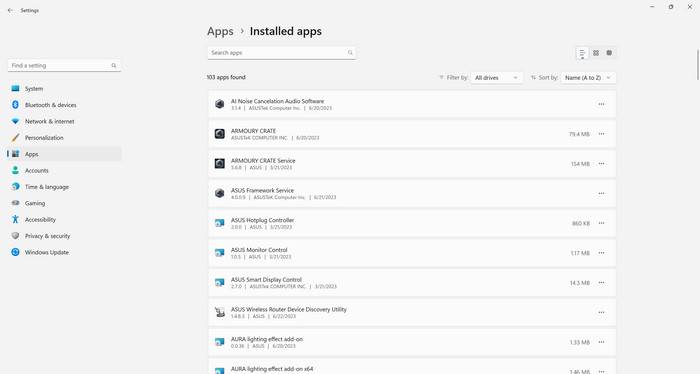
- Uninstall via Control Panel: You can uninstall Dell Driver Download Manager through the Control Panel on your Windows computer. Simply navigate to the “Programs and Features” or “Add or Remove Programs” section, locate Dell Driver Download Manager in the list of installed programs, and click on “Uninstall.”
- Third-Party Uninstaller: Using a third-party uninstaller tool can help ensure a complete removal of Dell Driver Download Manager and any associated files or registry entries. One recommended tool is Revo Uninstaller Free, which offers advanced scanning and cleaning capabilities.
After removing Dell Driver Download Manager, it is recommended to manually check for driver updates periodically or use an alternative driver update tool to ensure your Dell devices remain up to date.
Conclusion
Dell Driver Download Manager is a program designed to simplify the process of updating drivers for Dell devices. While it can be a convenient tool for keeping your system up to date, its necessity depends on your preferences and needs. If you prefer a hassle-free approach to driver updates and want to ensure optimal performance and compatibility, keeping Dell Driver Download Manager installed may be beneficial. However, if you prefer manual driver updates or want to free up disk space, removing the program is a viable option. Ultimately, the decision to keep or remove Dell Driver Download Manager depends on your individual requirements and preferences.

Join the discussion
0 commentsShare your experience or ask a question about this article.
Discussion
Start the conversation
Have a question or something useful to share? Add the first comment.