

Dell Stage is a software suite that comes pre-installed on many Dell computers. It offers a range of multimedia and entertainment features, including music, videos, photos, and games. While some users find Dell Stage to be a useful addition to their computer, others may prefer to remove it for various reasons. In this article, we will explore what Dell Stage is, its features, and whether or not you should consider removing it from your Dell computer.
What is Dell Stage?
Dell Stage is a software interface that provides easy access to multimedia content on Dell computers. It was first introduced in 2010 and has since been included on many Dell desktops and laptops. Dell Stage organizes your media files, such as music, videos, and photos, into a visually appealing and user-friendly interface.
One of the key features of Dell Stage is the ability to sync your media files across multiple devices. This means that you can access your music, videos, and photos from your Dell computer, smartphone, or tablet, as long as they are connected to the same network. This can be particularly useful for users who want to enjoy their media collection on different devices without the hassle of manually transferring files.
In addition to media organization and syncing, Dell Stage also offers a range of entertainment features. It includes a music player, video player, photo viewer, and game center. These features allow you to enjoy your media files and play games without the need for additional software.
Should I Remove Dell Stage?
Whether or not you should remove Dell Stage from your Dell computer depends on your personal preferences and usage patterns. Here are a few factors to consider:
1. Storage Space:
Dell Stage takes up a certain amount of storage space on your computer’s hard drive. If you are running low on storage or prefer to have more control over how your storage is allocated, removing Dell Stage can free up some space for other applications or files.
2. Performance:
Some users have reported that Dell Stage can slow down their computer’s performance, especially if they have an older or less powerful system. If you notice a decrease in performance or experience lag while using Dell Stage, removing it may help improve your computer’s speed and responsiveness.
3. Personal Preference:
Not everyone finds Dell Stage to be a useful addition to their computer. If you rarely use the multimedia features or prefer to use alternative software for media organization and playback, removing Dell Stage may streamline your computer’s interface and make it more tailored to your needs.
How to Remove Dell Stage?
If you have decided to remove Dell Stage from your Dell computer, there are a few different methods you can use:
1. Uninstall via Control Panel:
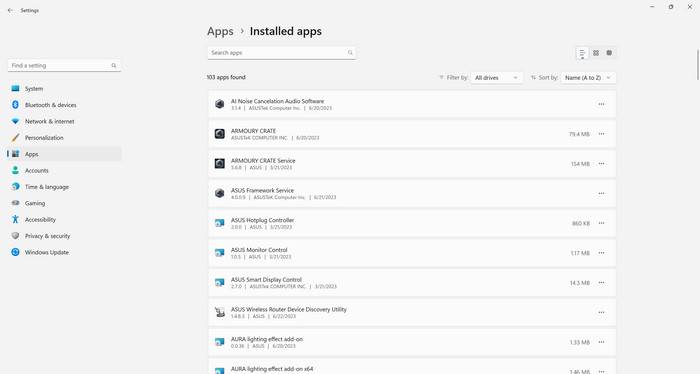
The most straightforward way to remove Dell Stage is through the Control Panel on your computer. Here’s how:
- Open the Control Panel by searching for it in the Start menu or right-clicking on the Windows icon and selecting “Control Panel”.
- Click on “Programs” or “Programs and Features”.
- Locate Dell Stage in the list of installed programs.
- Click on Dell Stage and select “Uninstall” or “Remove”.
- Follow the on-screen prompts to complete the uninstallation process.
2. Use Uninstall Tools:
If you encounter any issues while trying to uninstall Dell Stage through the Control Panel, you can use uninstall tools like Revo Uninstaller Free. These tools can help ensure that all traces of Dell Stage are removed from your computer, including any leftover files or registry entries.
Conclusion
Dell Stage is a software suite that offers multimedia and entertainment features on Dell computers. While some users find it useful, others may prefer to remove it for reasons such as storage space, performance, or personal preference. If you decide to remove Dell Stage, you can do so through the Control Panel or by using uninstall tools like Revo Uninstaller Free. Ultimately, the decision to remove Dell Stage depends on your individual needs and preferences. Consider the factors discussed in this article and choose the option that best suits your requirements.

Join the discussion
0 commentsShare your experience or ask a question about this article.
Discussion
Start the conversation
Have a question or something useful to share? Add the first comment.