

With the rise of online shopping and package deliveries, scammers have found new ways to exploit unsuspecting victims. One such scam that has gained popularity in recent years is the DHL ‘Your Parcel Has Arrived’ phishing scam. This article aims to provide a comprehensive overview of this scam, including what it is, how it works, what to do if you have fallen victim, technical details, and relevant statistics.
What is the DHL ‘Your Parcel Has Arrived’ Phishing Scam?
The DHL ‘Your Parcel Has Arrived’ phishing scam is an attempt by cybercriminals to trick individuals into revealing their personal and financial information by posing as DHL, a well-known international courier and package delivery company. The scammers send out fraudulent emails or text messages claiming that a package has arrived and that the recipient needs to take immediate action to retrieve it.
How Does the Scam Work?
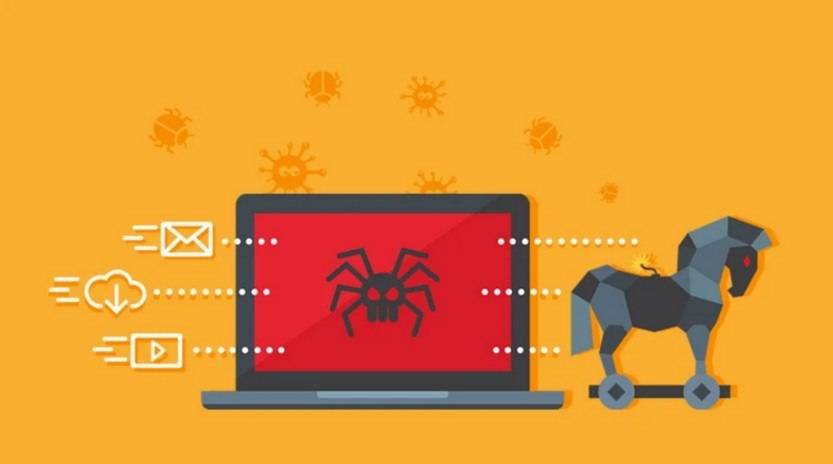
The scam typically starts with the victim receiving an email or text message that appears to be from DHL. The message informs the recipient that a package has arrived and provides a link or attachment for them to click on or download to track or retrieve the package. However, these links and attachments are malicious and designed to steal personal and financial information.
Once the victim clicks on the link or downloads the attachment, they are directed to a fake website that closely resembles the official DHL website. The website prompts the victim to enter their personal information, such as their name, address, phone number, and credit card details. In some cases, the scammers may also ask for additional information, such as social security numbers or passwords.
Once the victim submits their information, the scammers have access to their personal and financial details, which they can use for various fraudulent activities, including identity theft, credit card fraud, and unauthorized purchases.
What to Do If You Have Fallen Victim?
If you have fallen victim to the DHL ‘Your Parcel Has Arrived’ phishing scam, it is crucial to take immediate action to minimize the potential damage:
- Disconnect from the internet: As soon as you realize you have been scammed, disconnect from the internet to prevent further unauthorized access to your personal information.
- Scan your device for malware: Run a scan with Malwarebytes Free or any reputable antivirus software to detect and remove any malware that may have been installed on your device.
- Change your passwords: Change the passwords for all your online accounts, especially those associated with your financial information. Use strong, unique passwords for each account.
- Contact your bank and credit card companies: Inform your bank and credit card companies about the scam and monitor your accounts for any unauthorized transactions. They may be able to help you prevent further financial loss.
- Report the scam: Report the scam to your local law enforcement agency and the appropriate authorities, such as the Federal Trade Commission (FTC) in the United States or Action Fraud in the United Kingdom. This can help in tracking down the scammers and preventing others from falling victim.
Technical Details of the Scam
The DHL ‘Your Parcel Has Arrived’ phishing scam utilizes various techniques to deceive victims and steal their information:
- Spoofed email addresses: The scammers often use email addresses that closely resemble the official DHL email addresses, making it difficult for recipients to identify the scam.
- Malicious links and attachments: The emails or text messages contain links or attachments that, when clicked or downloaded, install malware on the victim’s device or redirect them to a fake website.
- Phishing websites: The fake websites closely mimic the design and layout of the official DHL website, making it difficult for victims to distinguish between the real and fake sites.
- Social engineering tactics: The scammers use persuasive language and urgent requests to create a sense of urgency and prompt victims to take immediate action without thinking twice.
Statistics on Phishing Scams
Phishing scams, including the DHL ‘Your Parcel Has Arrived’ phishing scam, continue to be a significant threat to individuals and organizations worldwide. Here are some statistics that highlight the scale of the problem:
- In 2022, the Anti-Phishing Working Group (APWG) reported a total of 241,324 unique phishing attacks worldwide.
- According to the FBI’s Internet Crime Complaint Center (IC3), phishing scams resulted in losses of over $54 million in the United States alone in 2022.
- A study by Verizon found that 22% of data breaches in 2022 involved phishing attacks.
- According to the 2021 Data Breach Investigations Report by Verizon, 36% of all breaches involved phishing.
Summary
The DHL ‘Your Parcel Has Arrived’ phishing scam is a prevalent online scam that aims to deceive individuals into revealing their personal and financial information. By posing as DHL, scammers send fraudulent emails or text messages, tricking victims into clicking on malicious links or downloading attachments. Once the victims provide their information on fake websites, the scammers can use it for various fraudulent activities.
If you have fallen victim to this scam, it is crucial to take immediate action by disconnecting from the internet, scanning your device for malware, changing your passwords, contacting your bank and credit card companies, and reporting the scam to the appropriate authorities. By staying vigilant and following these steps, you can protect yourself from falling victim to phishing scams and minimize the potential damage.

Join the discussion
0 commentsShare your experience or ask a question about this article.
Discussion
Start the conversation
Have a question or something useful to share? Add the first comment.