

A familiar podcast setting, a respected scientist and a cup of matcha. The clip makes an extraordinary weight-loss story feel like something you simply missed.
Then comes the invitation to watch a little longer. If the Dr. Rhonda Patrick matcha ritual brought you here, that invitation deserves attention.
Overview
The supposed interview is the sales hook
The Dr. Rhonda Patrick matcha ritual scam uses an apparent expert conversation to make a weight-loss supplement pitch look like a scientific discovery.
The recorded campaign presents Patrick as explaining a simple ritual connected to spectacular weight loss. It also borrows celebrity stories and television-style presentation to strengthen that impression.
This is not a reason to accuse Patrick of selling the product. The warning concerns the commercial use of her identity and supposed advice.
A promised recipe turns into a proprietary product
In the documented advertising sequence, the viewer is drawn through social clips and a Today-style page before reaching an offer for Leaftide.
The promised shortcut isn’t delivered as an ordinary kitchen recipe. The story ultimately points toward something the viewer must buy.
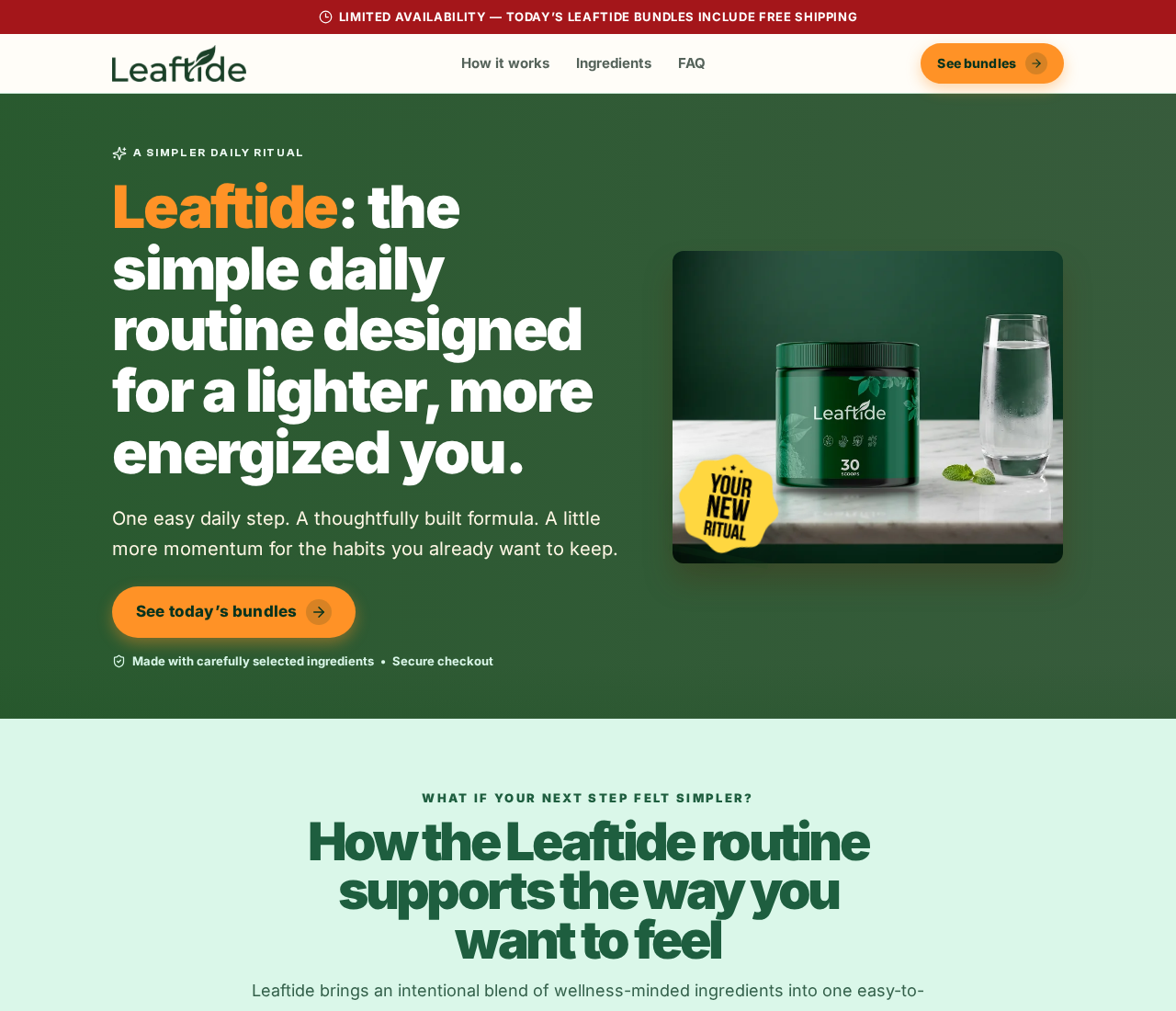
The screenshot shows a current Leaftide page, not the recorded fake interview or a genuine Patrick endorsement. Current product wording must be distinguished from the earlier promotion.
The endorsement claim and billing terms need separate checks
Do not order because a video appears to show Patrick recommending a matcha weight-loss ritual. An interview-style frame is not authorization or clinical evidence.
- The recorded promotion uses Patrick’s scientific reputation to sell confidence in the story.
- Celebrity weight-loss claims do not establish what a supplement will do for another person.
- A current getleaftide.com page describes one-time purchases, not universal automatic refills.
- Your own checkout and receipt determine what you bought and whether you authorized recurring payments.
Why This Particular Story Feels Believable
Patrick is known for discussing health and science. That makes her identity valuable to advertisers who want a complicated claim to feel already checked.
The setting does some of the persuasion before any explanation begins. A podcast desk, recognizable host or confident interviewer can make a sales script resemble a familiar conversation.
Viewers may then concentrate on the supposed advice rather than asking whether the person actually said it. Familiarity becomes a substitute for verification.
The matcha angle adds another layer. It sounds accessible, inexpensive and less intimidating than a prescription treatment, especially to someone exhausted by conflicting weight-loss advice.
That emotional appeal is the point. The story invites you to believe the hard part has already been solved, and you only need the missing instructions.
A genuine scientist can discuss nutrition without endorsing a particular commercial powder. Those are different claims, even when an advertisement edits them into one story.
How the Dr. Rhonda Patrick Matcha Ritual Scam Works
Step 1: A celebrity transformation catches your attention
The recorded material opens the door with familiar personalities and dramatic weight-loss claims. One version invokes Melissa McCarthy and a supposedly inexpensive matcha routine.
The numbers are striking enough to stop a scrolling viewer. The pitch attributes results to a simple daily habit rather than the wider circumstances of a person’s health.
Those results are advertising claims, not verified medical records. Seeing a celebrity’s face beside a weight-loss number doesn’t establish the cause of any real physical change.
At this stage, the advertiser is selling curiosity. The product name can wait until the viewer has become invested in the explanation.
Step 2: Patrick’s identity supplies the scientific authority
The campaign then presents Patrick as the knowledgeable person behind the ritual. Apparent interview footage makes the advice feel separate from an ordinary product advertisement.
References to biological pathways and weight-regulating signals give the story a technical surface. Most viewers cannot check those claims while a video continues playing.
A real scientific term does not validate the surrounding sales claim. Nor does a real interview somewhere else authenticate words attached to a commercial clip.
The relevant question is whether the original, complete material genuinely supports this product recommendation. A promotional edit cannot answer that question on its own.
Step 3: A news-style page makes the pitch look reported
The recorded funnel includes a page styled to resemble Today coverage. Television personalities and interview conventions reinforce the impression that this is a broadcast discovery.
That changes how a reader interprets the page. An advertisement starts to feel like a story independently selected and checked by a newsroom.
Don’t judge the page by its colors, logos or presenter names. Check the actual domain and look for the claimed segment through the broadcaster independently.
A page can copy a news format without belonging to that outlet. Its purchase buttons do not become trustworthy because a familiar television name appears above them.
Step 4: The video keeps the promised instructions just ahead
The supposed recipe is the reason to keep watching. Testimonials, dramatic explanations and repeated promises make the answer feel close, even as the presentation grows longer.
This creates a small commitment at each stage. After spending several minutes, viewers may feel they should continue rather than leave without the promised solution.
Pay attention to what has actually been delivered. An explanation that continually postpones the ingredients may be moving you toward a purchase rather than teaching a recipe.
There is no obligation to finish. Time already spent watching does not make the next claim more credible or the eventual order more sensible.
Step 5: The kitchen ritual becomes a supplement offer
In this recorded campaign, Leaftide is the commercial destination. The shift matters because the viewer started looking for a simple ritual, not a proprietary supplement.
The product is presented as the convenient way to obtain the promised effect. By then, the supposed expert has already supplied much of the persuasion.
Assess that product as a new decision. What is in it, in what amounts, who sells it and what evidence supports the finished formulation?
A celebrity clip doesn’t answer any of those questions. Neither does a list of ingredients accompanied by claims about what those ingredients might do individually.
Step 6: Package pricing and payment consent become your responsibility
Once an order page appears, the transaction has its own terms. Read the full package total, quantity, shipping and any optional additions before authorizing payment.
For example, six tubs at $19.99 each total $119.94 before any additional charges. A prominent per-tub figure is not the whole bill.
Refills are another separate question. Some supplement funnels use recurring orders, but that pattern must not be imposed on every offer without checking it.
The current getleaftide.com page explicitly describes purchases as one-time and advertises a 90-day period. Preserve those representations if that is the offer you use.
GLP-1 Language Does Not Turn Matcha Into Medicine
The phrase GLP-1 carries considerable weight because people associate it with prescription weight-management treatments. Advertisers can borrow that association without supplying equivalent evidence.
A beverage or supplement isn’t interchangeable with a prescribed medicine because a video mentions the same biological signal. Product identity and clinical evidence still matter.
You also cannot infer an appropriate dose, expected weight change or safety profile from an apparent podcast conversation. Those require more than a compelling personal story.
The FTC’s weight-loss advertising guidance warns about implausible promises and testimonials that misleadingly suggest unusually large results are typical.
That warning fits the decision readers face here: extraordinary transformation claims need strong support, not a familiar face and a purchase button.
Don’t stop prescribed treatment or combine weight-loss products because an advertisement promises a more natural route. Discuss any proposed supplement with a qualified clinician or pharmacist.
The Name on the Tub Can Change
This article focuses on the Patrick matcha story because that is the part viewers are being asked to trust. Leaftide is one product name within it.
A future page could attach a different brand to a similar pitch. The new label would not authenticate the old interview or transform the underlying promises into evidence.
Look for the repeated persuasion, not just the spelling on a bottle: celebrity transformation, expert explanation, missing recipe, long presentation and commercial reveal.
However, similar storytelling does not prove every seller shares an owner or every product has the same ingredients. Keep complaints tied to the actual transaction.
For someone seeking a refund, the receipt and payment record are more useful than arguing about a different brand shown in another advertisement.
What to Do if You Have Fallen Victim to This Scam
-
Stop following the promotional sequence. Save the ad link, account name, apparent interview and landing-page address before the page disappears or changes.
Keep a short note explaining what the promotion led you to believe, particularly the supposed Patrick endorsement and any recipe or weight-loss promise.
-
Find your confirmation email and identify the actual product, seller, total charge and quantity. Compare the receipt with the package you expected to order.
If the price was shown per tub, calculate the full order separately. Explain any mismatch precisely when contacting support or the payment provider.
-
Request cancellation or a refund in writing through the merchant contact associated with your order. State that the purchase followed a misleading endorsement claim.
Ask which return policy applies and where an authorized return must go. Don’t assume the current 90-day page governs an older transaction automatically.
-
Check whether your confirmation mentions recurring deliveries. If so, cancel those explicitly and request written confirmation showing when future billing ends.
If your receipt says one-time purchase, retain it. A general warning about supplement refills is not a reason to accept an unexplained later charge.
-
Contact the issuer if the payment was unauthorized, the amount was wrong or the seller doesn’t resolve a material dispute. Provide the original promotion and correspondence.
Ask about the applicable dispute deadline now. A merchant promising to investigate later doesn’t necessarily extend the payment provider’s own time limits.
-
Don’t use an unidentified supplement simply because returning it is inconvenient. Keep the label, lot details and packaging available for a pharmacist or clinician.
Seek appropriate medical help if you develop symptoms after taking it. Don’t interpret discomfort as proof that a weight-loss product is working.
-
Report the deceptive ad through the platform’s reporting tools. Identify the false expert attribution and misleading news presentation rather than only saying you dislike the product.
Avoid recovery offers promising to retrieve your payment for another fee. Work through the seller, issuer and legitimate consumer-protection channels.
How to Recognize the Next Version Without Watching It All
Start with the promise. If a video claims a respected researcher discovered an effortless shortcut but refuses to give straightforward instructions, pause before investing more time.
Next, separate the people from the promotion. A host, guest or celebrity may be real while the product recommendation attached to their image is not.
Then examine where the link goes. A page borrowing a broadcaster’s appearance should not be treated as that broadcaster’s reporting without independent confirmation.
Finally, look at the commercial destination. If the answer requires buying a branded powder, you are evaluating a supplement advertisement, not merely learning a kitchen habit.
You don’t need to identify the precise editing software to decline. The unsupported endorsement and misleading route to the sale are enough to reject the promotion.
Be careful when sharing the clip as a warning, too. Reposting an intact purchase link can send another viewer straight into the same funnel.
Describe the misleading claim and remove personal details from any public account of your experience. Keep complete, unedited evidence privately for the merchant, platform or payment dispute.
That preserves the useful evidence without giving the advertisement another opportunity to recruit a buyer who encounters it outside the warning’s original context.
Frequently Asked Questions
Did Dr. Rhonda Patrick endorse this matcha ritual product?
The commercial clip is not reliable evidence of an endorsement. Don’t treat the recorded supplement pitch as Patrick’s authorized medical or purchasing advice.
Is the Today-style page genuine news coverage?
The documented funnel uses a news-style presentation to sell the story. Verify any claimed segment through the actual broadcaster, not the linked promotional page.
Is matcha the same as a prescription GLP-1 treatment?
No. Mentioning GLP-1 doesn’t make a drink or supplement equivalent to a prescribed medicine, and the advertisement does not establish comparable clinical results.
Why does Leaftide appear if the title is about Patrick?
Leaftide appears in the recorded sales sequence. The title follows the enduring personality-and-ritual story rather than treating one rotating product name as the entire campaign.
Does every Leaftide order include automatic refills?
That is not established. A current getleaftide.com page expressly describes one-time purchases. Check your particular checkout and confirmation for the terms you accepted.
Can I ask for a refund after being misled by the ad?
Yes. Explain the misleading endorsement, preserve the promotion and contact the order’s merchant. If unresolved, ask your payment provider about the relevant dispute options.
The Bottom Line
Do not buy through the Dr. Rhonda Patrick matcha ritual scam. The apparent interview is being used to turn borrowed scientific authority into a supplement sale.
If you already ordered, preserve the ad and receipt, request a written remedy and check your actual payment terms. Treat your health through qualified care, not this pitch.

Join the discussion
0 commentsShare your experience or ask a question about this article.
Discussion
Start the conversation
Have a question or something useful to share? Add the first comment.