

When it comes to computer security, it’s important to be aware of the various processes and files running on your system. One such file that you may come across is drivermax.exe. In this article, we will explore what drivermax.exe is, whether you should remove it, and whether it is considered malware or not.
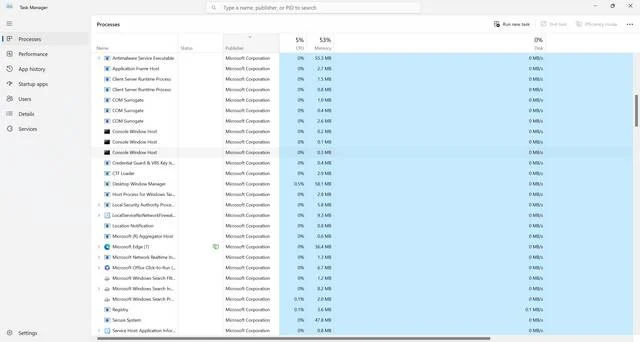
What is drivermax.exe?
Drivermax.exe is an executable file associated with the DriverMax software. DriverMax is a popular utility tool that allows users to update and manage their computer drivers. Drivers are essential software components that enable communication between the operating system and hardware devices.
DriverMax simplifies the process of finding and installing the latest drivers for your system. It scans your computer, identifies outdated drivers, and provides a convenient way to download and install the updated versions. The drivermax.exe file is responsible for launching and running the DriverMax application.
Should I remove drivermax.exe?
Whether or not you should remove drivermax.exe depends on your usage and preferences. If you regularly use DriverMax to update and manage your drivers, it is recommended to keep the file. Removing drivermax.exe would prevent you from using the DriverMax software and its functionalities.
However, if you do not use DriverMax or have found alternative methods to update your drivers, you may consider removing drivermax.exe to free up system resources. Uninstalling unnecessary software and files can help improve system performance and reduce the risk of potential conflicts or security vulnerabilities.
If you decide to remove drivermax.exe, you can do so by following these steps:
- Open the Control Panel on your Windows computer.
- Select “Programs” or “Programs and Features.”
- Locate DriverMax in the list of installed programs.
- Click on DriverMax and choose “Uninstall” or “Remove.”
- Follow the on-screen instructions to complete the uninstallation process.
After removing drivermax.exe, it is recommended to perform a thorough system scan using a reliable antivirus software to ensure there are no remaining traces or potential threats on your computer. Malwarebytes Free is a highly recommended antivirus tool that can help you scan and remove any malware or unwanted files.
Is drivermax.exe malware?
Drivermax.exe itself is not considered malware. It is a legitimate file associated with the DriverMax software. However, it is important to note that malware can sometimes disguise itself as legitimate files to avoid detection.
If you suspect that drivermax.exe or any other file on your system may be malware, it is crucial to run a thorough scan using an antivirus software. Malwarebytes Free is a reliable tool that can detect and remove various types of malware, including those that may be disguised as legitimate files.
It is also worth mentioning that keeping your operating system and software up to date, as well as practicing safe browsing habits, can significantly reduce the risk of malware infections. Regularly updating your drivers using trusted sources, such as the official manufacturer’s website or reputable driver update tools like DriverMax, can also help ensure the security and stability of your system.
Summary
In conclusion, drivermax.exe is an executable file associated with the DriverMax software, which is used for updating and managing computer drivers. Whether or not you should remove drivermax.exe depends on your usage and preferences. If you use DriverMax, it is recommended to keep the file, but if you don’t, removing it can free up system resources.
Drivermax.exe itself is not considered malware, but it is important to remain vigilant and run regular antivirus scans to detect and remove any potential threats. Tools like Malwarebytes Free can help ensure the security of your system by detecting and removing malware.
Remember to always practice good computer security habits, such as keeping your software up to date and avoiding suspicious websites or downloads. By staying informed and taking proactive measures, you can maintain a secure and efficient computing environment.

Join the discussion
0 commentsShare your experience or ask a question about this article.
Discussion
Start the conversation
Have a question or something useful to share? Add the first comment.