


A remote travel listing can sound like an ordinary job: flexible hours, no experience, and an attractive annual salary. The actual arrangement may be very different.
CBC reported a network of removed listings leading to Evolution Travel. Before attending a presentation, understand whether you are being hired or sold a business package.
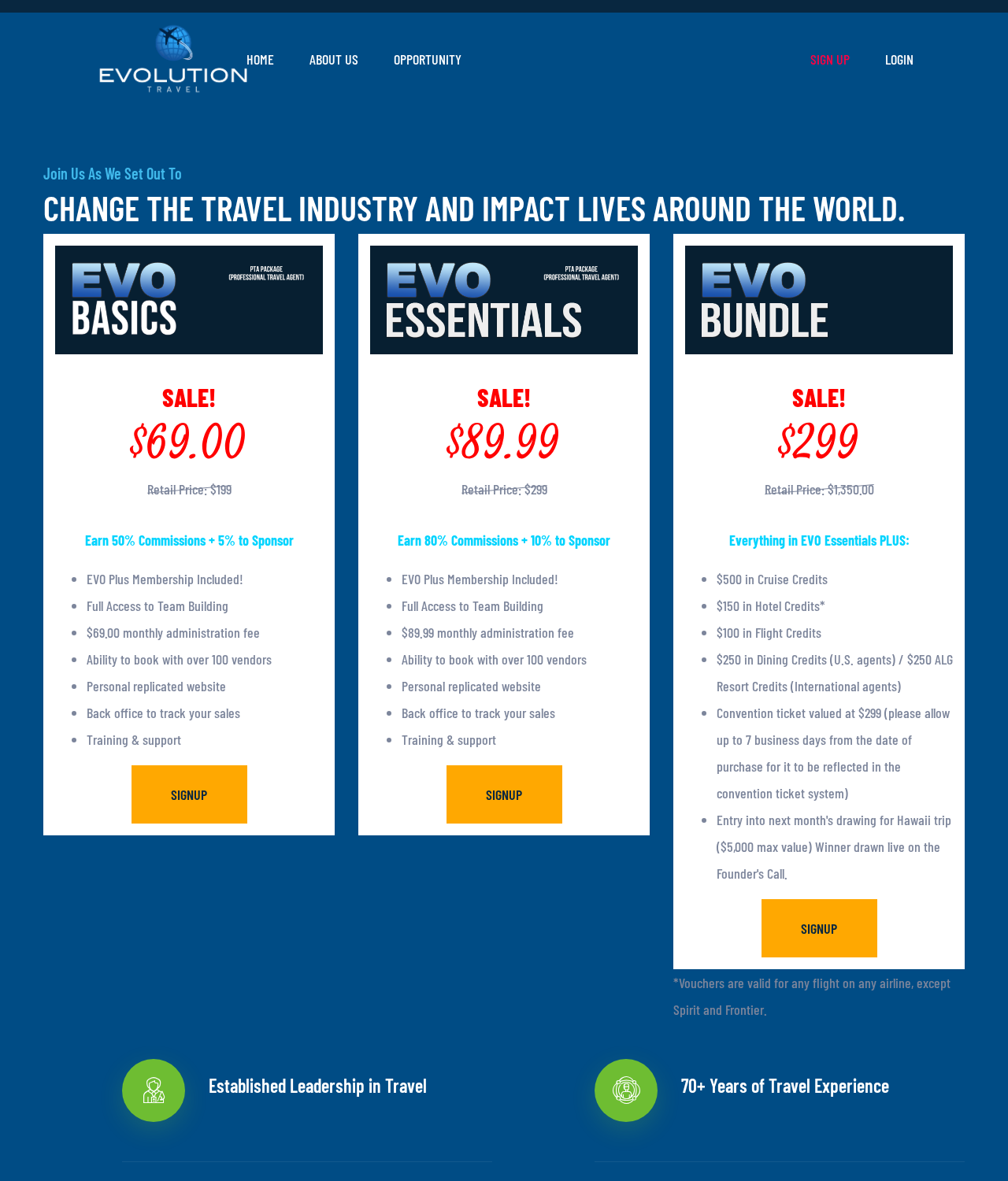
Overview
CBC reported listings concealing a business opportunity
A November 12, 2026 CBC investigation reported more than 1,500 misleading travel-job listings connected to Evolution Travel, with applicants offered paid enrollment instead of salaried work.
That reported employment mismatch deserves scrutiny. The current company pages independently establish a paid business opportunity, but do not authenticate every advertisement or applicant’s experience.
The current enrollment page requires spending money
The enrollment page lists packages and recurring administration fees on myevolutiontravel.com. Those are costs of joining a business program, not wages paid to an employee.
Its linked compensation document describes independent contractors, conditional commissions, and no income guarantee. That differs fundamentally from an employer promising a salary for a defined position.
Do not pay to claim the advertised job
If you applied for employment, stop when the conversation becomes a subscription sale. Consider any business opportunity separately, without treating the original listing as proof of a job.
- Ask who employs you and who pays your wages.
- Request the legal company name before joining a session.
- Distinguish travel sales commissions from salaries and recruitment rewards.
- Keep the original advertisement and every fee disclosure.
What the Recent Job-Listing Investigation Found
CBC reported listings under names including Wanderwell Collective, Professional Travel Hub, Remote-Careers, Sky Land & Ocean Travel, and Sunkissed Getaways. Some advertised earnings up to $75,000 annually.
According to its investigation, applicants were directed to virtual sessions and asked to purchase entry into the program. The initial listings omitted Evolution Travel and enrollment fees.
CBC reported LinkedIn removed close to 900 connected listings and Monster removed 600. The report says Evolution Travel stated agents had been told not to post job advertisements.
Those are CBC’s reported recruiting findings, not a regulator’s judgment or our own application test. They do not establish that every agent uses misleading advertisements.
A genuine employment listing should let you identify the employer and understand the actual work. It should not change the transaction from receiving wages to buying program access.
Brand changes across a recruiting funnel can frustrate basic checks. Search the company named on the enrollment agreement, not only the attractive name attached to the job listing.
How a Travel Job Application Becomes an Enrollment Sale
The listing and presentation stages below reflect CBC’s reported applicant journey. The fees and commission conditions come separately from Evolution Travel’s current public enrollment and compensation materials.
Step 1: The listing sets an employment expectation
A title such as remote travel planner suggests you are applying for a position. A salary range and a recruiting platform reinforce that expectation.
Before providing additional information, ask whether the role has guaranteed pay. Also ask whether you must buy a membership, package, license, or training to participate.
Step 2: An information session replaces a normal interview
A presentation about travel benefits can be interesting without assessing your suitability for employment. Notice whether anyone actually interviews you for a specific paid position.
Ask for the employer’s name, reporting responsibilities, compensation agreement, and hiring criteria. Avoid accepting an enthusiastic presentation as a substitute for those basic details.
Step 3: Fees appear as the route to earning
The current Evolution Travel enrollment page offers packages rather than an employment application. It shows recurring administration fees alongside tools, training, and commission descriptions.
That is the point to reconsider the transaction. You are assessing a business purchase with financial risk, not paying a routine step toward collecting the advertised salary.
Step 4: Commission and team-building replace a paycheck
The compensation material covers travel commissions and an optional residual-income structure. Eligibility depends on qualifications and maintaining the required active status, not simply working scheduled hours.
You may choose to investigate that arrangement, but investigate it honestly as a separate opportunity. A recruiter should not need a misleading job listing to sell it.
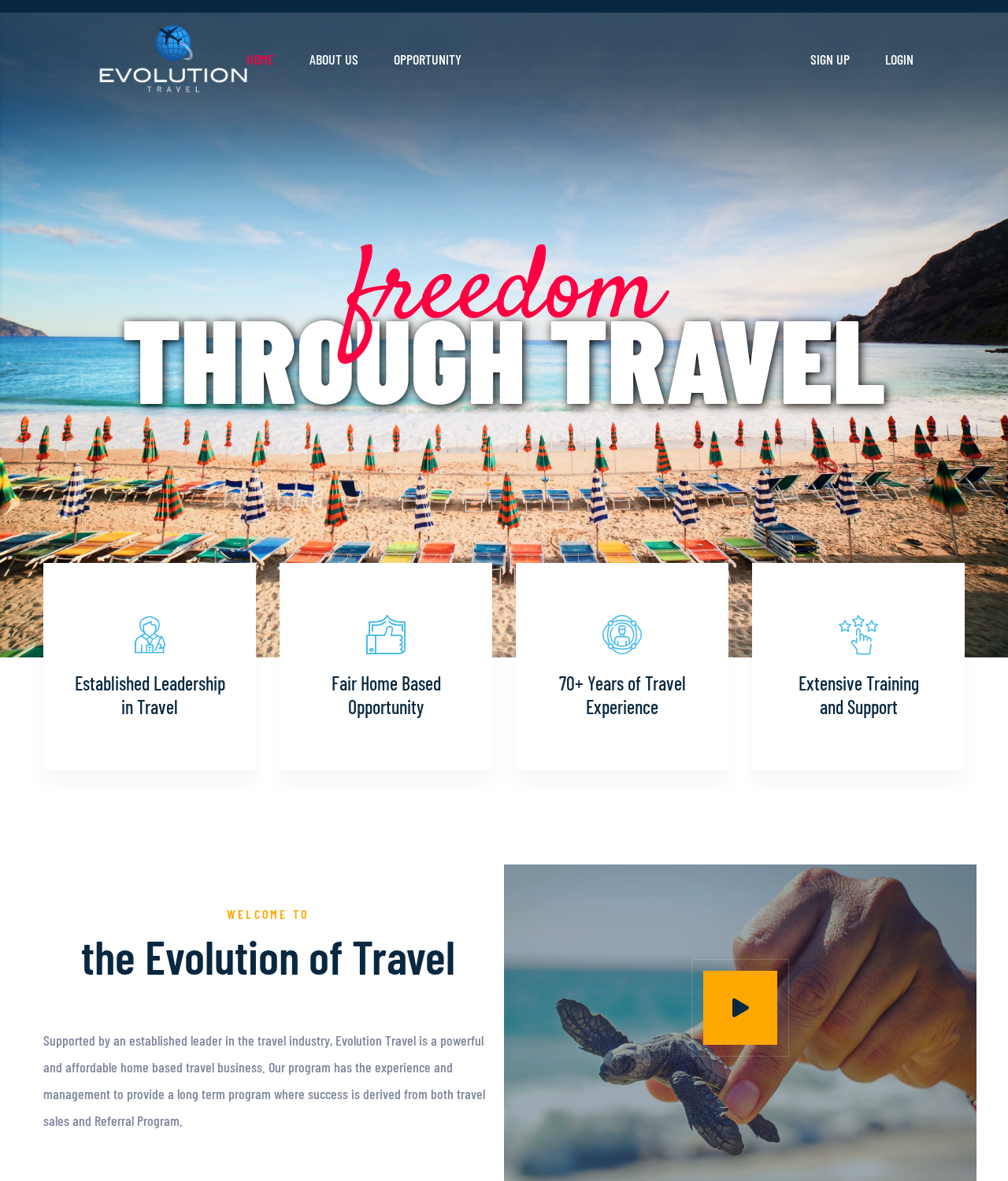
The Actual Fees Shown on the Enrollment Page
EVO Basics lists $69 enrollment and a $69 monthly administration fee. Its commission description differs from the higher-priced Essentials package.
EVO Essentials displayed $89.99 enrollment and an $89.99 monthly administration fee. The EVO Bundle displayed $299 with additional travel-credit and convention-related benefits.
Read the final agreement before purchasing any tier. Do not infer the bundle’s complete recurring cost from the prominent enrollment price alone.
Twelve $69 administration payments total $828. Twelve $89.99 payments total $1,079.88, before enrollment or any other applicable costs.
Those arithmetic examples illustrate ongoing expense, not your final invoice. Confirm the initial billing period, renewal date, cancellation deadline, and taxes before making a commitment.
Recurring fees matter even during months with no bookings. You need enough actual commission income to cover them before the program creates net earnings.
Do not budget a travel credit like cash in your bank. Its value depends on eligible bookings, restrictions, and purchases you would otherwise make.
Also include practical business expenses such as advertising you choose to buy. A gross commission screenshot cannot show whether somebody earned a profit after their costs.
What the Commission Percentages Actually Mean
The opportunity page highlights travel commissions, but a commission percentage is not a percentage of every vacation’s full sale price. Ask what underlying commission is being divided.
For example, receiving 80% of a $100 supplier commission produces $80, not 80% of a $2,000 vacation. This example is arithmetic, not a promised booking payout.
Apply that distinction before estimating how many sales cover your expenses. A package’s advertised percentage cannot answer the question without the actual supplier commission.
Next check when the supplier pays and what paperwork is required. A booking made today does not necessarily produce usable commission income today.
The June 2026 document linked by the company also ties payment to active membership and dues. Read eligibility conditions before relying on a potential future commission.
Ask what happens after cancellations, refunded bookings, disputed sales, or membership termination. Do not assume a projected commission is permanently earned merely because it appears on a dashboard.
These questions are normal business due diligence. They are especially important when you originally expected a predictable wage rather than uncertain sales income.
In the $100 supplier-commission example, two bookings paying you $80 each produce $160 gross. An $89.99 administration payment leaves $70.01 before any other costs.
That calculation assumes both commissions become payable and remain earned. It is not a booking forecast, and a single refunded reservation could change the result.
The opportunity page’s prominent commission headline should not override the package comparison. Basics and Essentials advertise different splits, so calculate using the arrangement you would actually buy.
Ask for the current agreement if a presentation, signup page, and compensation PDF describe different terms. A recruiter should explain that difference before requesting payment.
Team-Building Is a Different Activity From Booking Travel
Evolution Travel’s own document describes residual-income qualifications connected to packages and sales-network ranks. It separately describes commissions from travel sold through approved suppliers.
A presentation focused on vacations may leave the team-building structure unexplained. Ask directly how the person recruiting you benefits when you enroll or remain subscribed.
Then ask whether you can pursue travel sales without recruiting others. Request the complete answer in writing, including any effect on compensation and eligibility.
Do not confuse an optional activity with an irrelevant one. Recruitment rewards can still influence the way an opportunity is introduced to prospective participants.
The FTC’s MLM guidance distinguishes selling to retail customers from recruitment-focused income. An MLM label alone does not decide legality or profitability.
For your own decision, separate customers buying travel from people buying business access. Ask for typical net results rather than stories about a high-ranking participant.
Never recruit a friend with a salary claim you cannot substantiate. Repeating the original misleading message would expose somebody else to the same mistaken expectation.
What Is Established About the Companies?
Evolution Travel describes a home-based business
The current public website identifies Evolution Travel LLC and describes income through travel sales and referrals. Its presentation is a business opportunity, not a salary offer.
The underlying program can therefore be checked directly. A different name on a recruiting advertisement should not prevent you from examining the actual enrollment terms.
The website identifies its Archer relationship
The footer describes Evolution Travel as an affiliate of Archer Travel Service, Inc. That stated relationship does not transform an independent-agent enrollment into employment.
Keep the roles separate when asking questions. Which company receives membership fees, which processes travel bookings, and which is responsible for a particular commission?
Registration does not authenticate a salary claim
The website lists seller-of-travel registration details. Such information relates to a particular business activity; it does not verify the wages or hiring promises in a separate advertisement.
Do not let a familiar travel partner or registration number end your investigation. Your immediate question remains whether the advertised position actually exists on the stated terms.
The written earnings disclaimer limits the pitch
The linked compensation document expressly denies guaranteed income and warns that examples are not typical or average results. That qualification should not disappear from a recruiter’s explanation.
Ask for a current income disclosure showing typical participant outcomes after expenses. A disclaimer saying results vary is not itself that earnings evidence.
Questions That Expose the Difference Before You Pay
Ask whether you will receive a written employment contract or an independent-contractor agreement. Ask whether any advertised salary is guaranteed compensation or a hypothetical sales outcome.
Request every enrollment, recurring, annual, and optional charge applicable to the offer. Read the actual agreement rather than relying on a presentation’s cheapest number.
Ask who supplies customers and whether leads are included. Access to a booking system does not mean you already have travelers willing to purchase through you.
Find out what work happens before a commission is paid. Sales, customer service, booking changes, training, and administration all use time even when income is uncertain.
If answers are delayed until after purchase, decline. You should be able to understand the nature and cost of a business opportunity before becoming a paying participant.
The FTC’s job-scam advice warns against paying for the promise of employment. A voluntary business purchase is a different decision requiring different disclosures.
What to Do If You Applied or Already Paid
-
Save the original employment advertisement
Keep its title, employer name, salary, URL, date, and application correspondence. Those records establish what you were offered before the presentation changed direction.
Also save the enrollment offer and agreement. Comparing those documents is more useful than relying on memory when you explain a misleading recruitment complaint.
-
Stop an unwanted enrollment before paying
Tell the recruiter you applied for employment and do not consent to buying a business package. You do not owe an enrollment fee for attending an introductory session.
Decline pressure to use credit or recruit friends to recover the cost. Neither action supplies the missing salaried position you originally sought.
-
Request cancellation and any applicable refund separately
If you paid, use the contact details on your agreement and receipt. Specify the membership and future billing you want stopped, and request a written response.
Explain any mismatch between the listing and the purchase. Preserve the exact terms rather than assuming every refund request has the same legal or contractual outcome.
-
Report the listing and dispute concrete billing problems
Report misleading job ads to the platform with supporting records. For disputed charges, contact your card issuer promptly and describe the purchase and consent accurately.
Ask about evidence requirements and deadlines without assuming reimbursement is guaranteed. Consumer agencies can also receive reports concerning deceptive recruiting or unauthorized billing.
If you supplied identity documents or banking information, tell your bank exactly what was disclosed. Keep that concern separate from an ordinary résumé submission or a documented membership purchase.
You can withdraw an application without buying anything. Time spent attending a presentation does not create an obligation to become a paying customer.
Frequently Asked Questions
Is an Evolution Travel information session a job interview?
A presentation selling independent-agent enrollment is not evidence of salaried employment. Ask for the actual employer, pay agreement, and position before treating it as an interview.
Does a real travel company make the job listing legitimate?
No underlying service excuses an advertisement misrepresenting the opportunity. Evaluate the specific hiring promise separately from whether people can genuinely book travel through the program.
Are the advertised commission percentages a salary?
They describe conditional sales compensation rather than guaranteed wages. Ask what commission is being divided, when it becomes payable, and which expenses or requirements apply.
Why do the recurring administration fees matter?
They remain an expense during months with little or no income. Include them when calculating net profit rather than focusing only on a possible gross commission.
Does CBC’s reporting establish that every agent is dishonest?
CBC reported specific misleading recruiting practices. The current enrollment terms independently show paid business participation, not employment; neither finding establishes that every agent advertises deceptively.
Can I get a refund after paying?
Request one promptly using your agreement and evidence. Eligibility depends on the transaction and applicable rights; stopping future renewals does not automatically reverse an earlier payment.
The Bottom Line
Do not pay to claim a salaried travel job that turns into Evolution Travel enrollment. The program sells business participation with fees and conditional commissions, not employment.
If you still want the business opportunity, assess it from the beginning with full costs and realistic earnings evidence. Keep the misleading listing if you need to complain.

Join the discussion
0 commentsShare your experience or ask a question about this article.
Community experiences
Did this happen to you?
Your experience could help someone recognize the same scam. Submit a private report for our team to review.
I experienced this tooReports are reviewed before publication. Sharing publicly is always your choice.
Discussion
Start the conversation
Have a question or something useful to share? Add the first comment.