

Over the past few weeks, several viral videos have been circulating online claiming that WNBA rookie Angel Reese has been banned from the league and fired by the Chicago Sky for steroid use. These videos have garnered hundreds of thousands of views, sparking heated debate among basketball fans. However, a closer look reveals these rumors are completely unfounded. This article will examine the origins of this fake news story and set the record straight on Angel Reese’s situation.
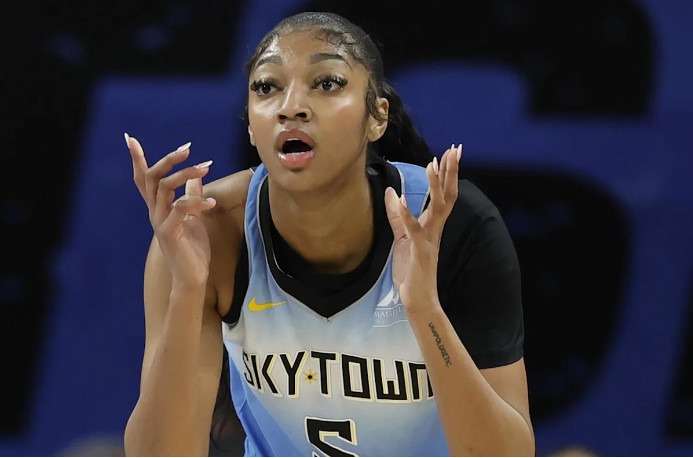
The Rumors Spread
In early October 2024, multiple YouTube channels began posting videos with sensationalized titles like “Angel Reese Finally Got What She Deserved – A Pink Slip For Steroid Use” and “Shocking News: Angel Reese Fired From WNBA for Juicing.”
The videos alleged that Reese had been caught using performance-enhancing drugs and subsequently terminated by the Chicago Sky and banned from the WNBA. Some videos used synthesized narration and spliced together stock footage to create the illusion of a breaking news story.
The Truth About Angel Reese
In reality, these claims are entirely false. Angel Reese has never tested positive for any banned substances and has not received any disciplinary action from the WNBA.
Here are the facts:
- Reese has passed all WNBA drug tests throughout her rookie season
- She has never been suspended or fined for any drug policy violations
- Reese sustained a wrist injury in September 2024, forcing her to sit out the last 6 games
- She underwent successful surgery in the 2024 offseason to repair the wrist fracture
- The Chicago Sky have not released or fired Reese
Reese is expected to make a full recovery and return to the Sky lineup for the 2025 season. At no point has she been banned or terminated by the league.
Where the Rumor Originated
The source of the bizarre rumor appears to be a YouTube channel called “BasketBuzz” which published the first video making these false claims on October 14, 2024. Their intent seems to be driving views through shocking headlines, not reporting truthful stories.
The video uses synthesized narration to assert that Reese had been caught doping and fired, without providing any evidence. As the rumors spread rapidly online, they were picked up by other channels looking to capitalize on the sensationalized narrative.
The Bottom Line
There is absolutely no credibility to the reports that Angel Reese has used steroids or been expelled from the WNBA. This incident highlights the need to fact-check stories and not take unsourced viral videos at face value.
Reese is a gifted young player with a bright future ahead. Basketball fans can look forward to her return to action next WNBA season with the Chicago Sky.
Frequently Asked Questions
1. What is the rumor circulating about Angel Reese?
There are viral videos and posts claiming rookie WNBA star Angel Reese was caught using steroids and subsequently fired by the Chicago Sky and banned by the league.
2. Is there any truth to these allegations?
No, these claims are completely false. Reese has never failed a drug test or been disciplined for any drug policy violations. She sustained a wrist injury late in her rookie season and underwent surgery in the offseason. At no point was she terminated by the Sky or suspended by the WNBA for PED use.
3. How did this rumor get started?
The first video making these bogus allegations came from a YouTube channel called “BasketBuzz.” The narration was synthesized and the intent appears to have been driving views through shock value. Other channels then replicated the false narrative.
4. What are the facts about Angel Reese’s injury and status?
Reese suffered a wrist fracture in September 2024, forcing her to miss the final 6 games. She had successful surgery in the offseason and is expected to make a full recovery for the 2025 WNBA season. The Chicago Sky have not released or fired her.
5. Has Angel Reese ever tested positive for steroids?
No. Reese has passed all PED tests by the WNBA during her rookie season and entire college career. There is zero evidence she has ever used banned substances.
6. Why would viral videos spread false information?
Generating views and shares through sensationalized fake headlines seems to be the motive, not reporting truthful sports news. The videos prey on fans’ lack of knowledge.
7. How can I avoid falling for misinformation online?
Always fact check viral claims against credible sources like ESPN and local media. Be wary of synthesized narration. If it seems outrageous, it’s likely false. Check multiple sources before believing or sharing.
8. What should I expect from Angel Reese next season?
After rehabbing her wrist injury, Reese is poised to return even stronger next year. She had an impressive rookie campaign and has a bright future ahead in the WNBA with Chicago.








