


A frog logo and a familiar ticker can travel far through a crypto community. By the time you see them, you may not know who posted the link first.
That is the setting for this FWOG offer. It looks like something made for fans, but the details deserve a closer look.
Overview
An “official” offer on a site called fwogfam
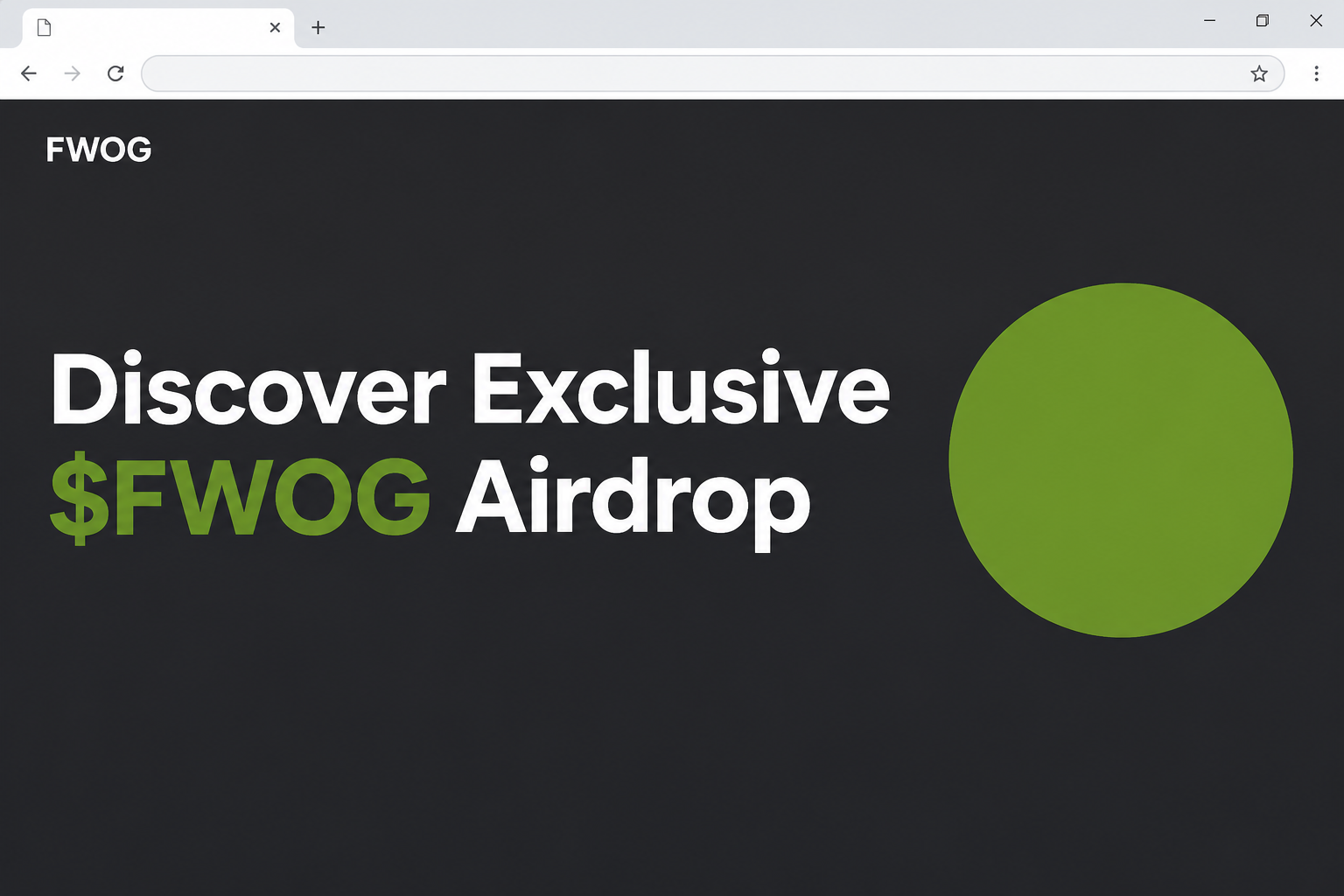
The fake FWOG airdrop appeared at fwogfam[.]top. It used the frog-themed branding and promised free crypto on a page that described the giveaway as official.
The offer was wider than its headline. The text also promised a way to find and claim rewards from other Solana projects, giving one small site a surprisingly broad role.
The capture shows the dark page, the green token artwork, and a wallet-selection panel. It does not show successful distribution of FWOG or establish a particular person’s loss.
FWOG exists separately from this page. Kraken’s listing announcement identifies it as a Solana meme token. An exchange documenting a token is not endorsing an unrelated giveaway.
The two facts can coexist: you can find a real record for FWOG, and the address promising you free FWOG can still be an impersonation.
Why the fan language works
The “fam” name sounds informal, like something a member of a community would choose for a fan project. That alone does not tell you who operates the site.
Meme tokens are often shared through images and jokes. A page with the right visual reference can feel familiar even if you have never visited the address before.
The site made its own authority claim using a badge-like label.
There is a big difference between a page putting the word “official” beside an icon and a project endorsing the exact link.
The broad promise about other rewards also matters.
If the first reward is not enough to convince you, the idea of discovering many drops can make it tempting to keep going.
- FWOG branding tells you which audience the offer appeals to.
- A listing elsewhere confirms the asset, not this site’s giveaway.
- The archive shows a wallet chooser, not a credit to a user’s balance.
- Any list of future rewards needs confirmation from the projects named, not just this website.
A safer way to check a link shared in a group
Start with a source you already recognise rather than asking the person who sent the link to vouch for it. They may have shared it in good faith.
Search an established announcement channel for the exact promotion name and website. A pinned message or a formal announcement can be checked against a separate source.
A post about the token price or a new listing is not an announcement of free tokens. Check for the date, specific terms, and the address of the actual promotion.
If a friend seems to have shared the offer, ask them about it in a separate conversation.
Someone else may have copied their name or gained access to the original account.
How the Scam Works
Step 1: The fan-facing brand gets you to take a closer look
The page introduces itself as FWOG and puts a frog-themed coin on the main screen. It uses a design people who follow the token might already recognise.
The initial question is not about sending money. It is whether you might be entitled to something that other fans are about to receive.
The evidence does not identify the route that brought any particular visitor to the page. A repost should not be taken as a record of who operates the destination.
If you came from a chat or search result, review the full page address before believing the headline. A familiar ticker can be reused by anyone.
Step 2: The “official” label and reward promises reduce suspicion
The page combines an exclusive FWOG claim with a wider offer to find rewards across Solana. It makes connecting seem useful even if you doubt the first giveaway.
Every project mentioned in a multi-project offer has its own identity. A general statement about “top projects” is not evidence that any of them authorises the same third-party page.
Exclusivity adds a small hurry without requiring a hard deadline. You may feel that others in the group know something you missed and that asking questions will slow you down.
Check with a project directly instead. It should be possible to tell whether the claimed event exists without trusting a promotional badge or opening a wallet.
Step 3: The website reveals an ordinary-looking wallet menu
The “Get Started” and connection prompts are where the visitor is moved closer to a wallet interaction. In the recorded flow, a dark menu lists multiple wallet brands.
That display does not tell you who made the underlying request. It could look familiar regardless of whether the page belongs to the token community.
Do not install a wallet, add an extension, or scan a code because a promotion asks you to.
Those would be additional actions beyond the wallet selector shown in this case.
If you already run a supported wallet, the risk is not removed. The wallet name is real, but the site making the request can still be untrusted.
Step 4: A “free” reward can shift to an action that costs you
Once a site has a connection, a later request may ask you to sign an action.
The exact impact depends on what the wallet is asked to do and what you approve.
A transfer or permission to move your assets is not explained by saying that tokens are free. If the approval mentions an unexpected asset or payment, reject it.
The documented FWOG flow stopped at the wallet menu. It supports a warning about risk, not a claim that merely viewing the offer automatically drained every connected account.
In the same spirit, a small fee is not a measure of total exposure. Read the actual asset movements and permissions, not just the number next to a fee label.
What to Do if You Have Fallen Victim to This Scam
-
Stop the link from spreading through the group. If you shared it, post a short warning there and write the address in non-clickable form.
Report the original post to moderators if you can still find it. Leave community members enough detail to recognise the offer without giving them a link to open.
-
Close the page and check what your wallet recorded. If you only saw the page and never opened the wallet, you do not need to return to gather more evidence.
If you completed a connection, remove the entry using the wallet’s connected-app controls. Check whether any prompt was approved after the connection was made.
Do not confuse a chat profile, a wallet connection, and a blockchain transaction. Each leaves a different record and calls for a different kind of follow-up.
-
Review anything you signed for the offer. Check the status, accounts, and assets affected. Follow official wallet guidance on token permissions if you granted access unintentionally.
The provider may ask what network the request actually used. Look at the wallet’s activity for that detail rather than assuming it from the Solana-themed advertisement.
A connection can be removed while an existing token approval stays in force. That is why the permissions review still matters after you close the site.
-
If you exposed a recovery phrase, move to a fresh wallet. Use a trusted device and a new phrase, not another account generated from the one you entered.
Move remaining assets you know and trust if you can do so safely. Check first with your wallet provider about anything unfamiliar, locked, or staked.
Ignore accounts that ask for your phrase in exchange for support. Adding another person with access will not help you secure the original wallet.
-
Keep a record if assets were transferred. Save transaction identifiers, the network and relevant times. Screenshot your own records without exposing private information.
Notify the exchange through your account if it was involved. For additional steps, see the FTC’s cryptocurrency scam guidance.
Do not post your wallet balance in a public chat while asking for help. Share the minimum details necessary through a provider’s authenticated support channel.
What to Do With a Token That Appears Without Your Permission
A wallet entry is not an endorsement
Sometimes the first hint of a giveaway is not a post at all, but an unfamiliar item in wallet history. Treat it separately from the offer described here.
An item can appear with a name that resembles a real token.
You do not have to visit a site linked in its description or interact with it to get rid of it.
Use the wallet provider’s controls for hiding or reporting unwanted assets. A token you can see is not proof that its sender can access the rest of your wallet.
Verify the exact asset before relying on the displayed name
Take special care when a name is easy to mimic or change by a single character. The token’s mint address is more specific than the ticker printed next to it.
If you need to identify it, get the reference from an established listing or authenticated project material. Do not reuse the link or mint copied out of the promotion itself.
This check tells you which token the wallet entry refers to. It still does not establish that somebody running a different giveaway can safely ask for an approval.
The same rule works in reverse. Even if the event’s screenshot shows the correct token symbol, the link might come from an account created to imitate an organiser.
In a fast-moving chat, look for the first post that named the destination. It may be a reply from a different account rather than the announcement everyone is discussing.
Reports are better when people can recognise the offer
Tell a moderator that the offer claimed an exclusive FWOG airdrop and used a wallet picker.
That is more useful to others than sending a vague warning about every FWOG link.
Mention the approximate time and write the domain in a non-clickable form. A description that others can search for helps moderators find mirrors or reposts without opening one.
If a group account insists that you discuss losses privately, check that it is the account you actually intended to contact. Impersonated support can follow quickly after a public report.
If the original post disappears, keep a copy of its time and wording for the moderator. Do not take its disappearance as proof that whoever forwarded it was involved.
A useful warning says what changed after the click. In this case, the supposed place to browse many rewards was already asking people to choose a wallet.
Frequently Asked Questions
Is the FWOG offer on fwogfam legitimate?
The archived fwogfam[.]top page presented an unauthorised FWOG-themed claim. Its wallet menu and “official” badge are not evidence that the genuine community backs it.
Avoid the site and judge any later offer by its own primary announcement. A copied frog image cannot authenticate a new domain.
Is FWOG a real token?
Yes, there is a Solana token called FWOG documented in an exchange listing. That establishes the asset exists, not that every site using its ticker is connected with it.
This is a warning about a particular giveaway page. It is not an opinion about the price or merits of investing in FWOG.
Should I connect a spare wallet to check my eligibility?
No, swapping wallets does not resolve the question of who published the offer. Look for evidence from the relevant project without interacting with the site making the claim.
If the event turns out to be fictional, there is nothing to discover by opening a wallet on the page. Walk away from an unverified link.
I saw the wallet chooser but closed it. Did I lose anything?
A visible picker by itself does not authorise a transaction. Check whether your wallet actually connected or showed any completed action if you are uncertain.
If you provided a private key or recovery phrase anywhere in the flow, handle that separately. No ordinary giveaway should need either secret.
Can I pass a screenshot to the group?
Yes, if it does not expose your account information or a scannable code. Include a short explanation that the giveaway is unsafe and give the domain in non-clickable form.
Avoid copying the full solicitation as if it were an ordinary announcement. Someone looking at the post quickly should be able to tell it is a warning.
Why would the page offer rewards from other projects as well?
The extra promises give people another reason to proceed even if they are not interested in the first token. They are not proof of partnerships with those projects.
Check any named reward through its actual issuer. One unfamiliar page is not a trusted source for the terms of every Solana campaign.
The Bottom Line
The fwogfam[.]top offer borrowed the appearance of a real meme token and used it to bring visitors to a wallet chooser.
Neither its badge nor its mascot made it official.
Verify each promotion at the source before connecting anything. If you already opened a wallet, check what it recorded instead of trusting the giveaway page to tell you what happened.

Join the discussion
0 commentsShare your experience or ask a question about this article.
Community experiences
Did this happen to you?
Your experience could help someone recognize the same scam. Submit a private report for our team to review.
I experienced this tooReports are reviewed before publication. Sharing publicly is always your choice.
Discussion
Start the conversation
Have a question or something useful to share? Add the first comment.