

Slimpal.org looks like a direct destination for a familiar weight-management name. Its capsules, testimonials, and bulk packages create a convincing first impression.
The page becomes far less convincing beside the established French Slimpal storefronts. Formula, pricing, language, and seller details point toward a different operation.
Overview
What Slimpal.org claims to sell
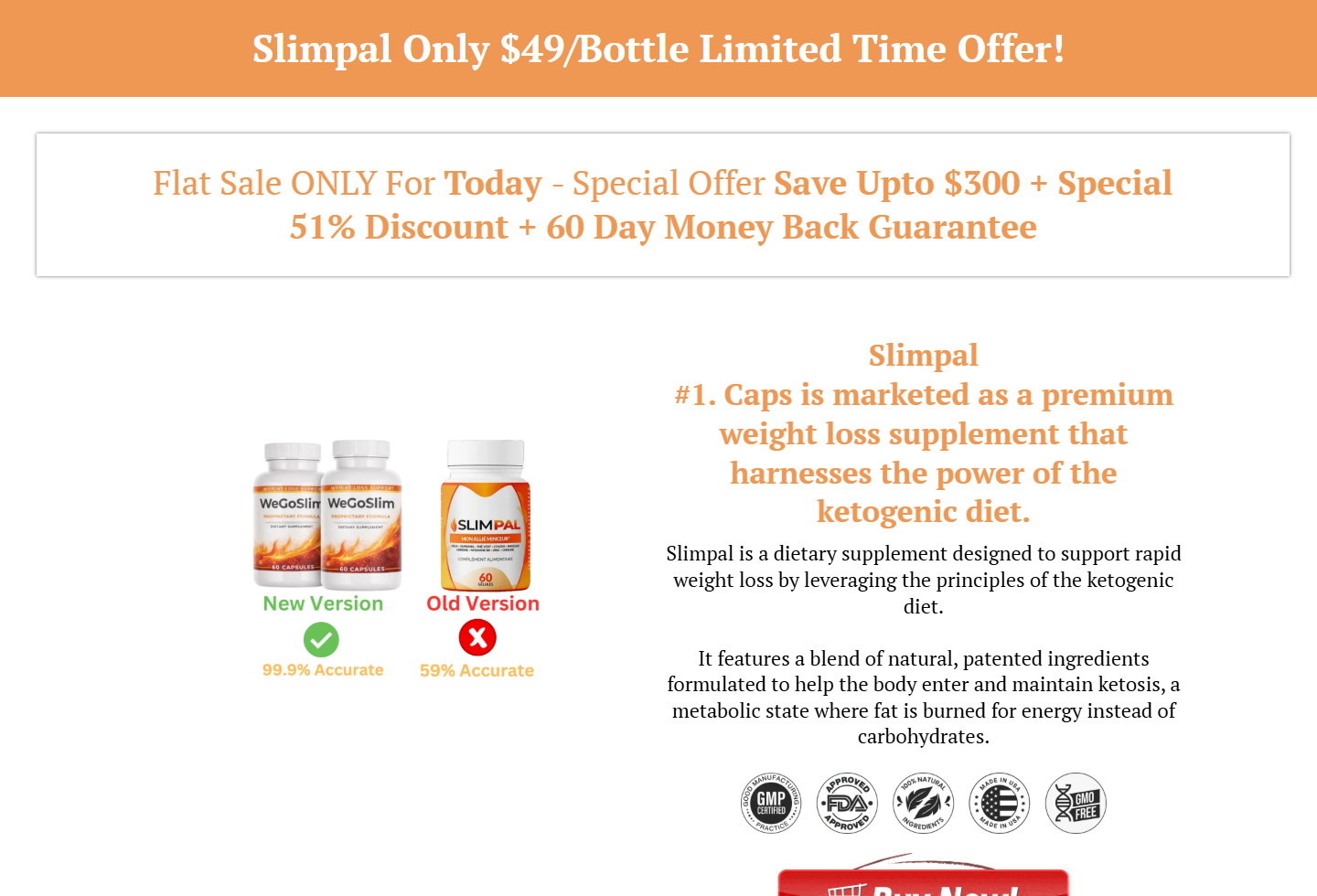
Slimpal.org presents Slimpal Caps as a weight-loss supplement for appetite, metabolism, fat burning, and easier progress with a ketogenic lifestyle.
The page uses US-style package pricing, customer stories, dramatic body-weight claims, and a 60-day guarantee to support a bulk purchase.
Its ingredient story includes saffron bulb extract, fucoxanthin, citrus sinensis, fucoidan, and kudzu. That combination defines the product shown on this page.
The problem is that it does not match the better-established French Slimpal formula or storefront details associated with the same name.
How the established Slimpal offer differs
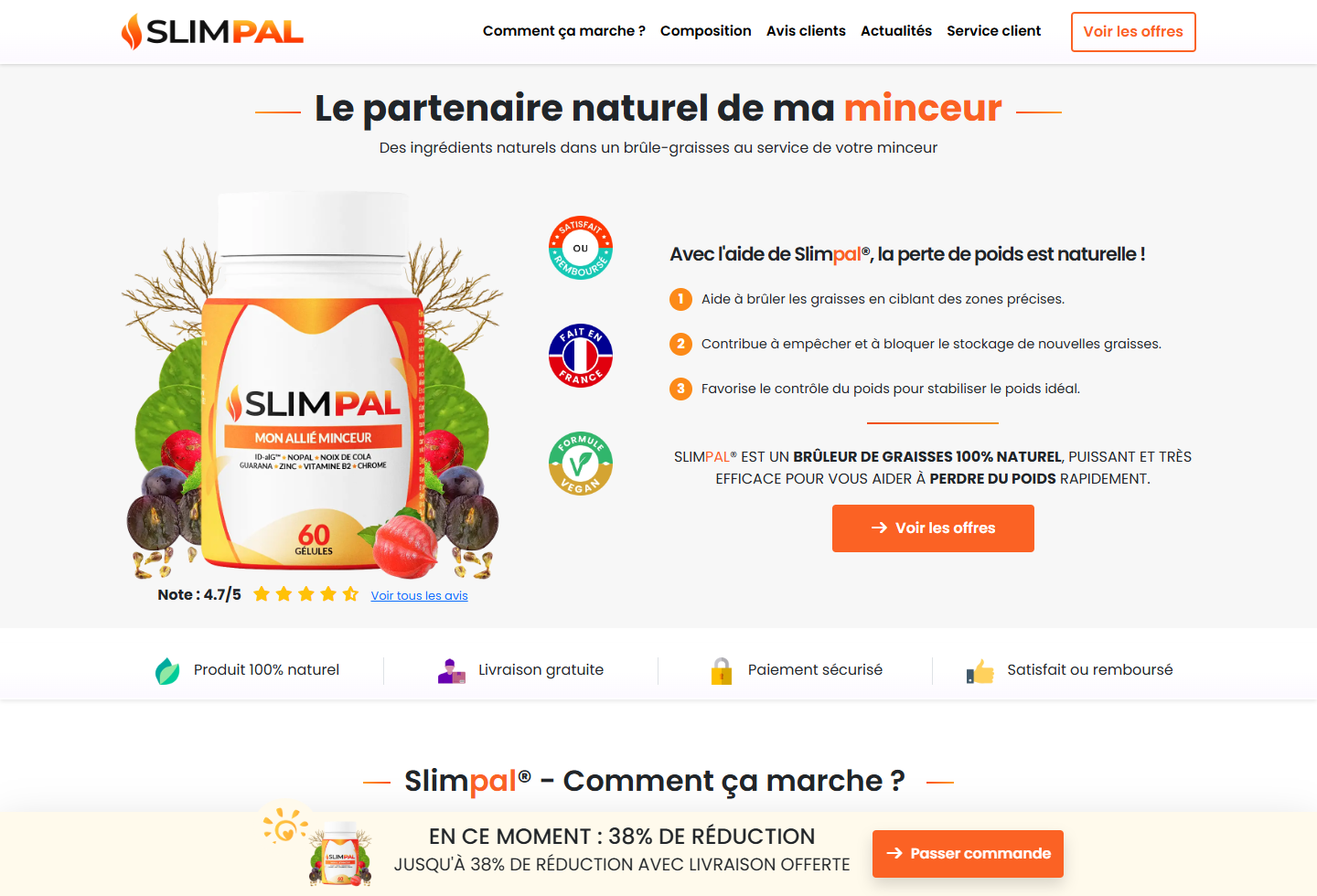
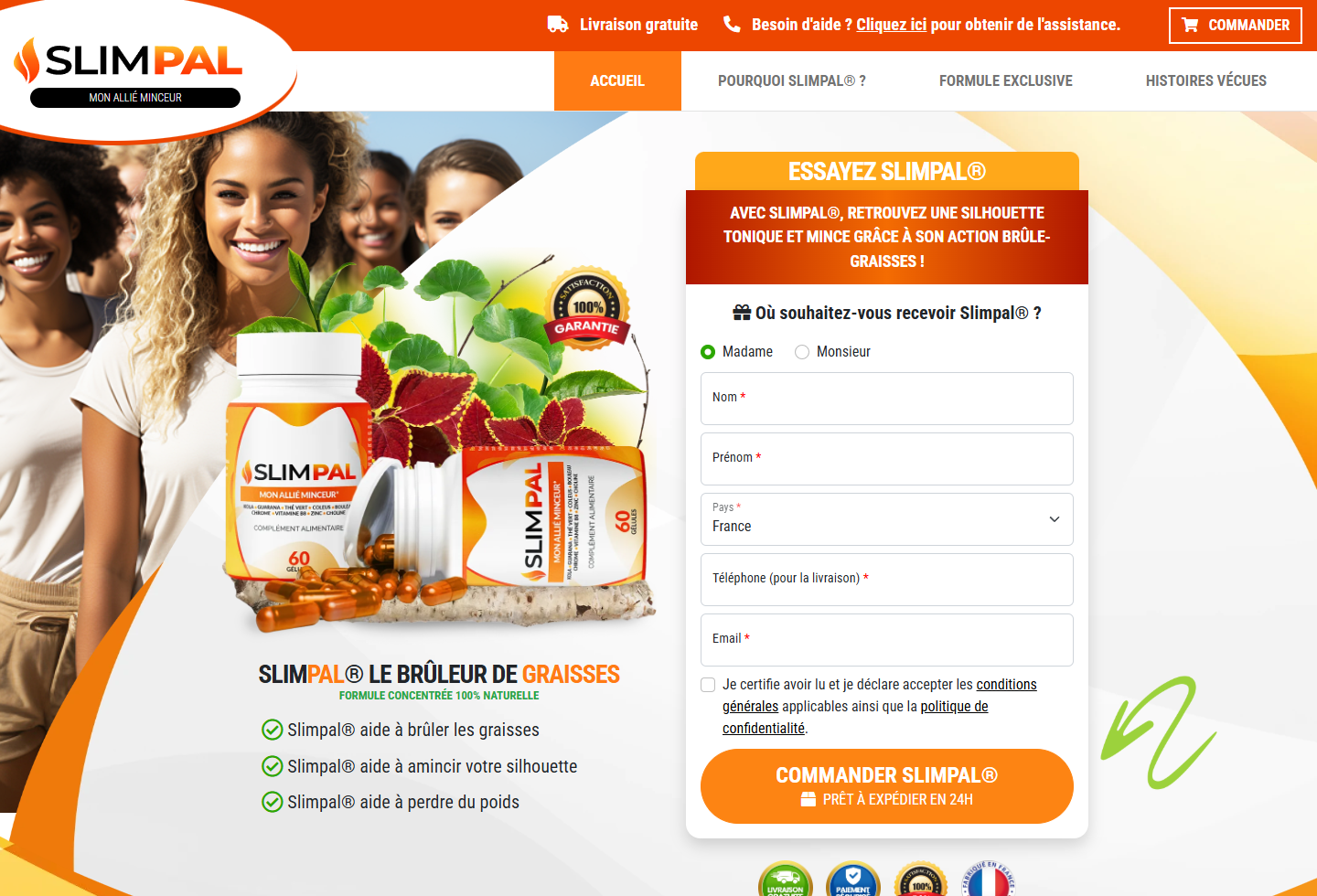
Slimpal.com/fr presents a French-made capsule using ingredients such as ID-alG, nopal, kola, guarana, zinc, vitamin B2, and chromium.
It uses French pricing, publishes a French telephone number and customer email, and provides regional terms and conditions.
Slimpal.me/fr also uses French branding but lists a somewhat different ingredient presentation. Neither established page matches the US-style formula shown at Slimpal.org.
No convincing evidence on Slimpal.org explains authorization, reformulation, or a regional relationship with those French pages.
What our investigation found
The .org page appears to be an unauthorized or unverified official-style funnel using the Slimpal name. Our finding concerns that page, not every Slimpal product.
- The .org formula differs substantially from the French product.
- The offer changes from French retail to US bulk pricing.
- Testimonials are centered around generic US customer profiles.
- The legal connection to the established brand is not demonstrated.
- The checkout path does not provide matching French seller context.
- The guarantee and package structure resemble reusable supplement funnels.
- Weight-loss results are presented without strong product-specific evidence.
Consumers searching for Slimpal should avoid Slimpal.org unless the established company confirms it. A matching name is not enough to establish authenticity.
How the Fake Slimpal Sales Page Works
Step 1: The product name captures existing interest
Someone searching for Slimpal may assume any domain containing that exact name belongs to the brand. The .org ending can even appear institutional or trustworthy.
Domain endings do not verify authorization. A third party can register a related name, copy brand language, and build a complete-looking storefront.
The visitor arrives expecting one known product. That expectation supplies trust before the new page has established its own company or formula.
This is why brand impersonation works. Familiarity created elsewhere is transferred to an offer whose commercial relationship remains unproven.
Step 2: A new formula is presented without explanation
Slimpal.org promotes saffron, fucoxanthin, citrus sinensis, fucoidan, and kudzu. The French Slimpal page describes a different collection of active ingredients.
A legitimate regional reformulation could exist, but it should be disclosed. The seller should explain manufacturing, label differences, and authorization from the brand owner.
The page does not provide that bridge. It simply presents its capsules as Slimpal and moves directly into promised outcomes.
Customers may therefore order based on reviews of one formula and receive an entirely different blend carrying the same front-label name.
Step 3: Ketogenic language widens the weight-loss promise
The .org page connects Slimpal with fat burning, appetite, and a ketogenic lifestyle. Those themes are common in rapidly reproduced supplement funnels.
The word ketogenic can imply a specific metabolic state, but a capsule does not place every user into ketosis. Diet and individual physiology matter.
Saffron or seaweed-related ingredient references may sound scientific. They do not prove that this finished product creates the advertised body-weight changes.
The message remains simple because complexity slows purchasing. Realistic weight management requires a more careful discussion of evidence, health, and sustainability.
Step 4: Testimonials make extraordinary changes feel ordinary
The page includes customer stories describing changes such as 12 lb and 9 kg. Reviewers are presented with generic locations around San Francisco.
Those accounts cannot be independently verified from the page. There is no method for confirming the identities, purchase history, or full circumstances.
Before-and-after claims are especially sensitive to diet, activity, illness, medication, fluid balance, timing, and selective presentation.
Anecdotes may encourage hope, but they cannot establish typical results or prove that the capsules caused the reported change.
Step 5: Bulk discounts increase the first payment
The .org offer uses familiar one, three, and six-bottle choices. The largest package receives the strongest savings and value framing.
A bulk order commits the buyer before the product’s identity, tolerance, or effectiveness is known. It also increases potential return postage and dispute value.
Calculate the full charge rather than focusing on the per-bottle number. Confirm shipping, taxes, quantity, optional upgrades, and any recurring language.
We did not establish that every Slimpal.org checkout enrolls buyers automatically. The customer must inspect the final authorization rather than assume either outcome.
Step 6: The guarantee replaces missing verification
A 60-day money-back promise reduces hesitation. It tells visitors they can try the capsules even when the website’s relationship to the brand is unclear.
Refund value depends on the legal seller, eligible bottles, deadline calculation, authorization process, return destination, and shipping responsibility.
A large badge does not answer those questions. The buyer may discover restrictive conditions only after requesting money back.
Save the complete policy before payment. If it does not identify the company and return procedure clearly, treat the guarantee as unverified.
Step 7: The final transaction may reveal a different identity
The checkout can display a processor or merchant name that does not resemble Slimpal. That name is critical for support and card-statement recognition.
A reliable storefront should explain the relationship before charging the customer. The receipt should match the quantity and product shown during the sales journey.
Stop if the transaction redirects through unrelated brands or changes the item. Do not continue merely because the first page looked professional.
After ordering, preserve the checkout URL and descriptor. Brand-impersonation funnels can change domains quickly, leaving only transaction records behind.
Why the Formula Difference Matters
Ingredient lists define different products
A supplement is not authenticated by its front label alone. Ingredients, amounts, manufacturer, lot system, directions, warnings, and distributor determine what the bottle actually is.
The established French page lists nopal, kola, guarana, minerals, and vitamins. Slimpal.org promotes a markedly different blend centered on other plant and marine extracts.
Those formulas can have different stimulant content, allergens, interactions, and expected effects. Advice for one cannot safely be transferred to the other.
Never combine them because the names match. Show the complete physical label to a pharmacist when there is any uncertainty.
Guarana and other stimulants require caution
The French formula’s guarana and kola ingredients can contribute caffeine. Stimulant exposure may affect sleep, anxiety, heart rate, blood pressure, or medication response.
The .org formula introduces different concerns, including seaweed-derived materials and plant extracts. Iodine, allergy, or interaction questions may depend on exact processing.
Neither page should be treated as a personalized health recommendation. The risk profile changes with pregnancy, chronic illness, surgery, and regular medication.
Stop after palpitations, severe anxiety, rash, breathing difficulty, fainting, or other concerning symptoms, and seek appropriate medical help.
Weight-loss claims need evidence for the finished formula
Research involving one ingredient does not prove that a multi-ingredient capsule causes meaningful or lasting weight loss at the marketed dose.
A credible trial should test the exact product, use appropriate controls, report adverse events, and measure outcomes over a relevant period.
The .org page’s testimonials and ingredient summaries do not meet that standard. They provide marketing support, not reliable prediction for an individual buyer.
Unexpected or rapid weight loss should be medically evaluated. A supplement should not conceal symptoms or replace care for an underlying condition.
Saffron and marine extracts do not create one predictable effect
Saffron supplements vary by plant part, extraction method, and dose. A reference to saffron does not establish that the advertised capsule matches published research.
Fucoxanthin and fucoidan come from marine sources, but their names alone reveal little about purity, concentration, contaminants, or clinical relevance.
People with seafood or iodine concerns need exact sourcing information. The page’s broad ingredient descriptions are insufficient for individualized safety decisions.
Kudzu and citrus extracts may also affect medication tolerance or digestion. A multi-ingredient mixture deserves more scrutiny, not less, because it sounds natural.
The French formulas require their own evaluation
The established French product should not inherit credibility merely because the .org page appears questionable. Its claims and ingredients must stand on separate evidence.
Nopal, guarana, kola, chromium, and other components have different purposes and cautions. Their presence confirms that shoppers are comparing distinct formulations.
Slimpal.me/fr presents yet another ingredient description. That variation should be clarified with the established seller before customers combine pages or reorder.
Regional labeling can legitimately change, but active ingredients should not change silently. Buyers deserve an explanation tied to the manufacturer and current batch.
Social advertising can hide the domain difference
A sponsored post may display the Slimpal name while shortening the destination URL. Mobile users often reach checkout without noticing the .org domain.
Open the advertiser details and copy the final address before paying. Compare it with the contact link published by the established brand.
Comments beneath an advertisement are not reliable authentication. Promoters can moderate criticism, add scripted praise, or replace the campaign when complaints accumulate.
Brand familiarity should trigger verification, not automatic trust. Impersonation works precisely because shoppers recognize the name and stop checking the seller.
Company, Address, and Fulfillment Checks
The established French contact trail is identifiable
Slimpal.com/fr publishes a French telephone number, customer email, regional prices, and legal terms. Those details create a traceable commercial context.
Traceability does not guarantee product effectiveness. It does allow a buyer to identify which company and policy are associated with the French offer.
The .org page should provide equally clear evidence if it claims to sell an authorized regional version. We did not find a persuasive connection.
The .org seller must prove authorization
Ask the Slimpal.org operator for its legal business name, manufacturer, distributor authorization, physical address, and relationship with the French brand.
Then confirm the answer independently through established Slimpal contact details. Do not use a telephone number found only on the questionable page for verification.
A refusal, generic reply, or unrelated company name is enough reason to avoid the transaction. Authentication should not depend on trust alone.
The return location can reveal the real supply chain
A returns warehouse may handle numerous direct-response products. It is not necessarily the company headquarters or supplement manufacturer.
Search the address and compare it with the checkout, receipt, and package label. Ask whether international postage or restocking conditions apply.
Do not send products without an RMA when the policy requires one. A tracked delivery to the wrong facility may still fail to qualify.
The delivered bottle must match the ordered formula
Photograph the unopened parcel, security seal, facts panel, lot number, expiration date, distributor, warnings, and ingredient amounts.
Compare those details with screenshots from Slimpal.org. If the package contains the French formula or another blend, keep it sealed.
Unknown origin is the central risk. Low-cost overseas manufacturing is not automatically unsafe, but missing traceability and misleading branding remove essential consumer protections.
What to Do If You Ordered Through Slimpal.org
- Save evidence immediately. Capture the Slimpal.org page, formula, package price, guarantee, checkout destination, receipt, and every confirmation message.
- Find the actual merchant. Record the legal seller and billing descriptor from the receipt or card statement, not only the Slimpal name.
- Ask whether the page is authorized. Contact the established Slimpal company through independently located details and provide the exact .org address.
- Check for recurring authorization. Read the checkout and receipt for autoship, membership, trial, or repeated-delivery language. Cancel anything unwanted in writing.
- Keep the shipment sealed. Photograph the parcel and complete label. Do not ingest capsules when the formula, seller, or origin differs from the saved offer.
- Request a prompt refund. Cite the branding or formula discrepancy, obtain an RMA, and follow the shortest stated deadline while preserving correspondence.
- Use tracked return shipping. Retain package photographs, carrier receipt, and delivery confirmation until the credit appears.
- Contact the card issuer if unresolved. Explain any unauthorized charge, unwanted renewal, wrong quantity, or product materially different from the advertised item.
Frequently Asked Questions
Is Slimpal.org the official Slimpal website?
We could not verify that relationship. The .org page uses a different formula and commercial presentation from the established French Slimpal storefronts.
Is Slimpal itself a scam?
This investigation does not make that claim about the established brand. It warns that Slimpal.org appears to use the name without proving authorization.
Why are the ingredient lists different?
The pages appear to describe different formulations. No clear explanation on Slimpal.org establishes a legitimate regional reformulation or connection to the French seller.
Does Slimpal.org enroll buyers in autoship?
We did not confirm automatic renewal for every checkout. Inspect the final authorization and receipt because terms can change between funnels.
Can I trust the 60-day guarantee?
Only after identifying the merchant and complete conditions. Save the policy, verify the return address, and ask whether opened bottles qualify.
What if the bottle lists another formula?
Do not take it. Keep the seal intact, photograph the difference, and request written refund instructions from the merchant handling the order.
The Bottom Line
Slimpal.org does not convincingly match the established French Slimpal offer. Its formula, pricing, testimonials, and commercial structure point toward a separate official-style funnel.
Avoid the .org page unless the established brand confirms it directly. If you already ordered, preserve the evidence, inspect the shipment, and act before deadlines expire.

Join the discussion
0 commentsShare your experience or ask a question about this article.
Discussion
Start the conversation
Have a question or something useful to share? Add the first comment.