

Vivienne Westwood’s punk rock-inspired designs have earned her recognition as one of Britain’s most influential fashion designers. However, her brand’s popularity and prestige have also made it a prime target for counterfeiters looking to scam unsuspecting shoppers. Numerous fake online stores have cropped up, luring customers in with seemingly amazing discounts before taking their money and sending low-quality or incorrect items — if anything is sent at all.
This article will provide an in-depth look at how these Vivienne Westwood scam sites operate, so you can better identify and avoid them. We’ll also offer tips on what to do if you unfortunately fall victim to one of these fraudulent stores. With the right information, you can shop for Vivienne Westwood confidently while sidestepping the scammers.
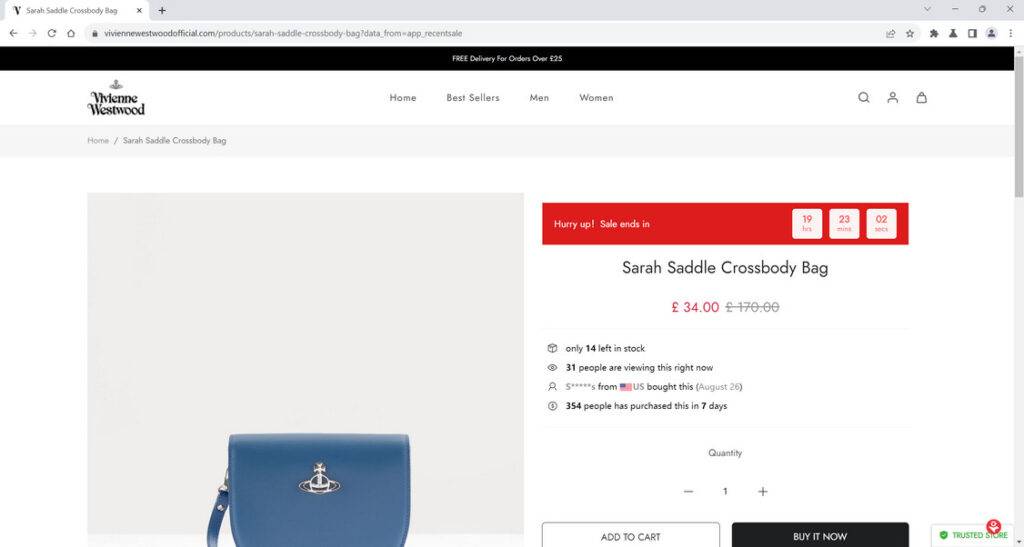
Overview of the Vivienne Westwood Scam Shopping Sites
Scam websites impersonating popular brands have become increasingly sophisticated and prevalent with the rise of e-commerce. Made to look like authorized online stores, they often use a real brand’s images and descriptions, stolen from the official website or retailers who carry the label.
These fake sites will typically offer huge discounts of 50-90% off or more compared to normal pricing, far below the minimum retail price set by Vivienne Westwood. This is done to entice bargain hunters who don’t realize the unusually low prices are a red flag that something is amiss.
If a shopper places an order through one of these fraudulent stores, a few things could happen:
- Nothing at all – The most common outcome. Orders go unfulfilled and simply disappear after payments are processed.
- Knock-off or inferior substitutes – Victims may receive cheap replicas made with poor-quality materials that do not match the original product descriptions.
- Used, damaged or tampered goods – In some cases, victims report receiving items that are clearly used, broken or otherwise tampered with, showing that no new products are being shipped.
- Completely wrong items – Some orders arrive with products that are completely different from what was ordered, demonstrating no order accuracy.
On top of selling sham goods or no goods at all, these scam sites also unscrupulously collect customers’ personal and financial data during checkout, including full names, home addresses, phone numbers, credit card details, and more.
How the Vivienne Westwood Shopping Scams Work
These sophisticated scam operations invest heavily in making their sites look authentic on the surface. Here are some of the tactics they employ to rip off consumers:
Professional Website Designs
The scam websites are designed to look and function like a legitimate online store, making it easy for victims to be fooled. They’ll use high-quality templates, convincing graphics, seamless site navigation and polished layouts. Photos of products are stolen from the real brand’s site or authorized retailers. To the untrained eye, nothing appears amiss.
Payments Processed Through Third-Parties
While the fake sites look like they handle payments directly, they actually funnel your credit card information through shady third-party processors. This adds a layer of separation from the criminally operated store. It also means your financial data can end up in the hands of additional scammers.
No Physical Address
If you look at the “Contact Us” page, you won’t find a real-world address or phone number to reach the company. At most, an email address is provided, but responses won’t be helpful. Without an address, it’s impossible to determine who’s behind the scam.
Hidden WhoIs Information
Checking the site’s WhoIs domain registration usually comes up empty. The owners conceal their identities by using privacy features or shell companies. This anonymity allows them to rip off consumers while being virtually untraceable.
Dodgy Privacy Policies and Terms of Service
While scam sites have privacy and TOS pages like a real shop, reading through them reveals evidence of plagiarism. Large sections are copied word-for-word from other websites. Ownership information is similarly non-existent or fraudulent.
Aggressive Social Media Marketing
Scam stores rely heavily on Facebook ads, Instagram influencers, and other social platforms to find victims. Ads may even use footage stolen from real Vivienne Westwood promotional videos. This strong social presence helps the sites appear valid at first glance.
Recognizing Telltale Signs of a Fake Vivienne Westwood Website
Once you know their deceptive strategies, identifying these fraudulent Vivienne Westwood retailers comes down to spotting some clear red flags:
- Prices that seem too good to be true – Genuine Vivienne Westwood is sold at fixed price points. Discounts higher than 30% are extremely rare from authorized sellers. Massive 50-90% off “deals” are a huge warning to avoid the site.
- Lack of contact information – No working phone number, physical address, or support options exist other than an email.
- No mention of sales policies or protections – If defective item return policies, refund guarantees and other buyer protections aren’t outlined, it’s likely a scam.
- Misspellings and grammatical errors – Sloppy writing mistakes throughout the site indicate it wasn’t professionally made.
- Dead social media links – Any Facebook, Instagram or Twitter links either lead nowhere or to accounts with no engagement.
- No verified payment options – Scammers rarely accept credit cards directly. At checkout, you’ll be redirected to shady third-party processors you’ve never heard of.
- Concealed domain ownership – Perform a WhoIs search and see if the site’s owners are hidden behind privacy protections. Transparent businesses shouldn’t need to obscure this info.
Stay vigilant and avoid the temptation of steep discounts. If a Vivienne Westwood retailer sets off any alarm bells, don’t hand your money or data over. Only make purchases through the brand’s authorized channels.
What To Do If You’ve Fallen Victim to a Fake Site
If you placed an order with a scam website impersonating Vivienne Westwood, first contact your credit card company or bank immediately. Reporting unauthorized charges or suspicious activity could help you recover lost funds. Calling quickly also prevents additional fraudulent transactions on your accounts.
You can report the site directly to Vivienne Westwood to help get it shut down. Email customerservice@viviennewestwood.com with details about the scam retailer and your experience.
File complaints with consumer protection groups like your state or country’s Attorney General office and the Better Business Bureau. Reports help authorities build cases against criminal scam operators.
Check haveibeenpwned.com to see if your email was part of a data breach. Scammers purchase hacked account information to more easily commit fraud using victims’ identities. Enabling enhanced account security can prevent this.
Run anti-virus software to detect any malware that may have been installed during checkout. Scam sites may try to infect your device as another way to steal data and identities.
Going forward, be vigilant about checking for signs of fraud with online retailers you haven’t shopped with before. Don’t let tempting deals or polished storefronts convince you to let your guard down. When unsure, stick to the official brand site or authorized retailers like Selfridges, Farfetch and Amazon Fashion for Vivienne Westwood purchases.
Frequently Asked Questions About Fake Vivienne Westwood Sites
How can I tell if a Vivienne Westwood site is legit or a scam?
Warning signs of scam sites include prices too low to be real, no contact info beyond email, hidden domain ownership, sloppy policies and errors, shady payment processors, and no social media engagement. Real Vivienne Westwood retailers can be verified through links on the official brand website.
Why don’t these fake sites get taken down?
Scammers make sophisticated efforts to conceal identities with shell companies, overseas servers, and hidden WhoIs info. They adapt by quickly launching new sites once one gets blacklisted. The anonymity makes legal intervention very difficult.
Is it illegal to buy counterfeits from these sites?
While scam victims are generally not the focus of legal action, purchasing counterfeit goods is technically illegal. You are participating in trademark infringement and supporting criminal organizations. It’s best to avoid these sites altogether.
Can I get my money back if I ordered from a scam site?
If you paid by credit card, you can dispute the charges as fraudulent. Your card issuer will investigate and may refund the purchases. Paying through other means makes it very unlikely to ever recover lost funds unfortunately.
Are these scammers going to steal my identity with the data I entered?
Fake sites collect your personal and payment details to enable more fraud down the line. Scammers may sell the data on the dark web or use it directly themselves to commit identity theft. Enable credit monitoring and enhanced account security.
What precautions can I take to stay safe when shopping online?
Before providing payment info, thoroughly verify the site’s legitimacy through warning signs, WhoIs lookups, and checking for verification seals. Only shop directly on brand sites or at authorized major retailers. Avoid clicking ads and social media shopping links which often lead to scams.
Conclusion
Vivienne Westwood’s one-of-a-kind fashion has made the brand an alluring target for elaborate counterfeit retailer scams seeking to exploit unsuspecting shoppers. While the sophisticated fraud operations pour significant effort into appearing authentic, they can be discerned by watching for red flags like unrealistic discounts, anonymity, and lack of valid contact information or sales policies.
Should you become the victim of a scam website, immediately contact your bank and credit card company to report unauthorized charges, and file complaints with consumer protection groups. Be vigilant in analyzing online retailers thoroughly before making purchases, and stick to shopping directly through brands or authorized major stores. Avoiding deals that seem too good to be true can help you steer clear of these criminal scam websites.

Join the discussion
0 commentsShare your experience or ask a question about this article.
Discussion
Start the conversation
Have a question or something useful to share? Add the first comment.