

Fancy Drops have exploded in popularity recently, with ads all over social media promising the ability to change your eye color permanently with just a few drops. It sounds too good to be true – can a simple eye drop really alter genetics and transform your natural eye color?
As tempting as it is to jump on this beauty trend, it’s important to approach Fancy Drops with caution and learn the facts before trying them yourself. In this in-depth article, we’ll investigate whether Fancy Drops are scientifically proven, safe, and live up to their bold claims.
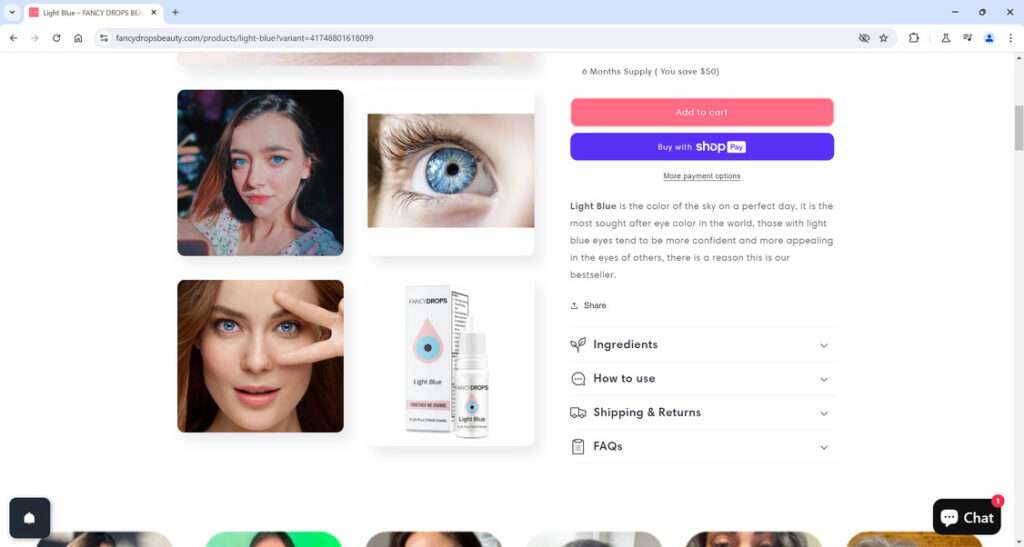
An Overview of Fancy Drops
Fancy Drops are marketed as a revolutionary way to transform your eye color naturally. The company claims their formula can change brown eyes to light green, blue, turquoise, hazel, grey, honey, dark green, dark blue, amber or purple.
This is achieved through the “Fancy Complex”, a proprietary blend of ingredients the company says alters melanin and pigmentation levels to lighten iris color permanently.
According to advertisements, this dramatic change only costs €44.95 and takes effect gradually over 90 days with consistent use. The company also claims Fancy Drops are completely safe and side effect-free.
It’s an alluring pitch – who hasn’t dreamed of trying on a different eye color? But the lack of details on the Fancy Complex and the dramatic claims raise some immediate red flags.
Do Fancy Drops Work: Evaluating the Evidence
The first question we need to investigate is whether Fancy Drops achieve what they promise. Can they really change genetically determined eye color safely and permanently?
According to ophthalmologists and scientific research, the answer is a hard no.
No Scientific Evidence Supports Eye Color Changing Drops
There are currently no FDA-approved medications or eye drops that can permanently change natural eye color. Legitimate medications require years of clinical trials and testing to prove safety and efficacy before gaining approval.
Fancy Drops have circumvented this process. While the company claims thousands of satisfied customers, there is no scientific evidence available to back up their formula’s effectiveness.
Without FDA oversight or independent clinical data, there is no guarantee Fancy Drops can deliver results safely.
Eye Color Is Genetically Determined
Decades of genetic research confirms eye color is inherited and determined by genetic factors we cannot consciously control.
“It’s just not possible to permanently change eye color with eye drops,” says Dr. Natalie Aakre, an ophthalmologist at the Mayo Clinic. “The color of the eye is structural – it’s based on the amount of melanin in the iris. That’s something that eye drops can’t change.”
While medications may temporarily affect pigmentation levels, any color change would be minor and reversible once use is discontinued. The types of drastic, permanent results promised by Fancy Drops are medically impossible.
Beware of Misleading Marketing Tactics
The lack of evidence supporting Fancy Drops’ claims or ability to override genetics is concerning. Even more worrisome are the misleading ways the company markets its unproven product.

User testimonials, flashy images, and bold claims plastered across social media ads are not substitutes for clinical data when it comes to medical products. Regulators advise consumers to be wary of any product claiming to provide drastic results not backed by science.
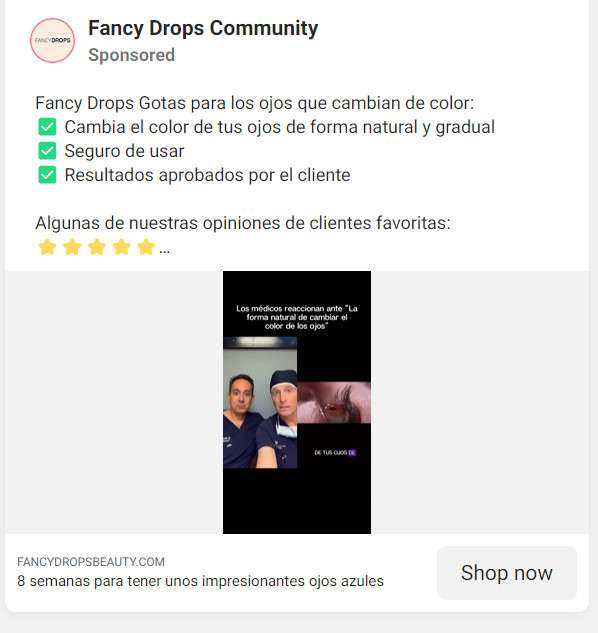
“Miracle solutions to change your eye color permanently do not exist,” cautions the American Academy of Ophthalmology. “Do not use any product that claims it can permanently change eye color without discussing it with an ophthalmologist first.”
So far, Fancy Drops have no scientific proof or medical consensus confirming they work as advertised. Without legitimate evidence, it’s safe to conclude these eye drops do not permanently change eye color.
Are Fancy Drops Safe: Potential Side Effects and Dangers
With no evidence Fancy Drops work, the next question we need to consider is whether they are safe to use. While being ineffective is problematic on its own, using an unregulated product also comes with inherent risks.
Lack of Regulation and Oversight
Unlike approved medicines, over-the-counter products like Fancy Drops are not regulated or vetted for safety and purity. The formulas can contain undisclosed, unstable ingredients at inconsistent concentrations.
The FDA does not monitor the manufacturing or distribution of these products. There have already been cases of contaminations and improper manufacturing processes with unapproved eye products that led to serious infections and vision loss.
Without oversight, Fancy Drops could similarly contain ingredients or additives that are toxic and dangerous in the eye area. The long-term implications of their use are unknown.
Potential Side Effects
According to ophthalmologists, using non-approved eye drops comes with the following risks:
- Iris darkening – Ingredients may react by producing more melanin, darkening the eyes.
- Inflammation – Chemical irritation leading to redness, itching, blurred vision, or eye pain.
- Increased eye pressure – Risk of glaucoma and permanent optic nerve damage.
- Blindness – Severe infections, allergic reactions, or eye trauma can potentially lead to permanent vision loss.
These worrying side effects are never mentioned by Fancy Drops’ advertisements. Without medical guidance, users could endanger their vision while using Fancy Drops.
Long-Term Impacts Are Unknown
In addition to short-term side effects, the long-term ramifications of using Fancy Drops are completely unstudied.
Artificially manipulating melanin levels over months or years could potentially impact eye development and health in ways not yet understood. The lack of research into the drops’ ingredients and effects should give consumers pause.
“Any promise of changing your eye color permanently with an over-the-counter product is concerning,” says Dr. Reza Moradi, an ophthalmologist. “We just don’t know enough about the formulations being used and how they could impact the eyes long-term. More research is needed before these products can be considered safe.”
Using unapproved drops form unregulated sellers entails substantial risks to your eyes. Consult a doctor before trying any product that could permanently impact your vision and overall eye health.
Are Fancy Drops Worth Trying: Our Verdict
Considering the lack of scientific proof Fancy Drops work as advertised and the potential safety issues involved, our verdict is clear – steer clear of these risky eye drops!
While permanently changing your eye color sounds exciting, the evidence shows Fancy Drops cannot override genetics to transform your iris color. Any positive results users report are likely only temporary, minor pigmentation changes.
More importantly, using unregulated drops like these poses serious health hazards like blindness or permanent eye damage. No cosmetic outcome is worth jeopardizing your vision.
If you are still interested in modifying your eye color safely, we suggest exploring colored contacts. Contact lenses provide a temporary color change without any long lasting effects on the eyes.
For permanent but subtle iris color shifts, speak to your ophthalmologist about low risk options like lightening contacts. Never try to dramatically alter your genetics without medical guidance.
At the end of the day, your natural eye color is beautiful as it is. Don’t endanger your eyes chasing an unproven fantasy pedaled by trendy social media ads. Focus your time and money on products that are scientifically validated as safe and effective instead.
The Bottom Line: Say No to Fancy Drops
Fancy Drops exemplify the growing issue of misleading beauty advertisements promoted online. With bold claims and persuasive testimonials, it can be easy to buy into these fads even when all evidence points to them being too good to be true.
Protect your eyes and steer clear of these dubious drops. Don’t let deceptive marketing trump science and medical consensus. If a product seems wildly improbable, do your research. Consult your doctor if you have any questions or concerns about eye health products.
Your eyes are precious – treat them with the care they deserve.
This article is for educational purposes only and does not constitute professional, financial or legal advice. The content is intended for general information and should not be construed as definitive guidance. Information contained herein is subject to change without notice.  For concerns, please contact us via the provided form.
If you are the owner of the website or product in question and wish to offer clarifications regarding your business or website, please reach out to us through the provided Contact Form.








