

If you’ve spent any time online recently, you may have stumbled upon slick-looking ads or videos promoting a so-called breakthrough called the “Natural Zepbound Recipe” featuring a product named FitPill Keto. These promotions claim that a simple, four-ingredient natural formula can mimic the effects of Zepbound, a real prescription weight loss drug, and help you drop 14 pounds in 10 days — all without exercise or dieting.
The ads are often accompanied by familiar celebrity names, dramatic before-and-after photos, and long-winded videos that promise a “secret” weight loss trick hidden from the public. But when you dig deeper, the entire campaign begins to fall apart.
This article breaks down the FitPill Keto / Natural Zepbound Recipe scam in full detail. You’ll learn how it works, the red flags to look for, what to do if you’ve been caught in the trap, and how to protect yourself — and others — from similar deceptive schemes.
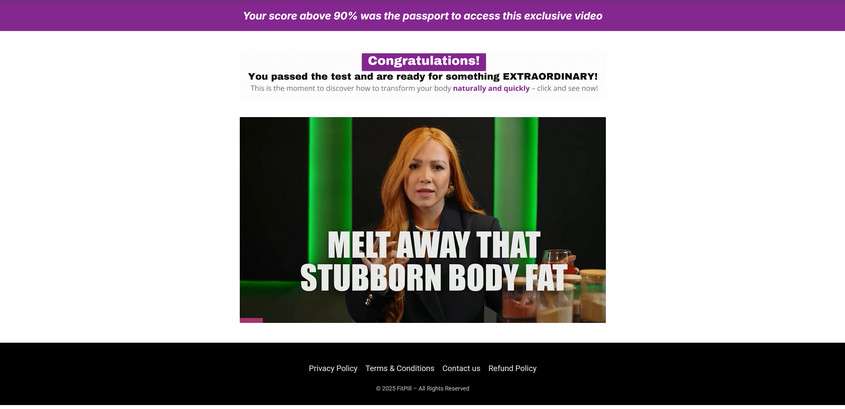
The FitPill Keto “Natural Zepbound” Deception
The FitPill Keto scam hinges on the marketing of a supplement that falsely claims to offer results similar to Zepbound — a legitimate GLP-1 agonist medication approved by the FDA for chronic weight management. The problem? FitPill is not Zepbound, nor is it even remotely close in effectiveness or medical credibility.
Here’s What They Claim
- A “natural Zepbound” formula using four simple ingredients can burn stubborn fat fast
- The supplement works without diet or exercise
- Users can lose 14 to 18 pounds in just 10 days
- Celebrities like Rebel Wilson, Selena Gomez, and others secretly use it
- It’s made in FDA-approved, GMP-certified facilities
Why These Claims Are Dangerous and Misleading
1. No Real Medical Evidence
There is no publicly available study, peer-reviewed data, or independent research to back any of the weight loss claims. Unlike FDA-approved drugs like Zepbound (tirzepatide), FitPill has never been clinically tested for safety or effectiveness.
2. Fake Celebrity Endorsements
The product claims celebrities are secretly using the recipe, but no public statements, interviews, or licensed endorsements exist. These names are being used without permission, a clear violation of consumer protection laws.
3. Deepfake and AI-Generated Content
The scam frequently uses deepfake video clips and AI-generated voices to make the promotional materials look professional. Some testimonial videos use stock footage with dubbed audio, creating the illusion of real reviews.
4. Misleading Certifications
Websites selling FitPill Keto often display badges such as “FDA Approved” or “GMP Certified.” In truth:
- The FDA does not approve supplements, only regulates them.
- There is no proof that the manufacturing facility follows any certified GMP standards.
5. Fake Testimonials and Before-After Photos
User reviews are largely fabricated, and images used are either stock photos or digitally altered. One of the most alarming aspects is that these testimonials make dangerous health claims, like reversing obesity, balancing hormones, and fixing metabolic disorders.
6. Non-Functional Websites and Contact Forms
Most websites promoting FitPill Keto lack real contact details. The Terms of Service, Privacy Policy, or Refund pages often don’t work or don’t exist. That means you’re left with no support after a purchase.
7. Data Harvesting and Spam
Several users have reported that after entering their contact information during checkout, they were hit with a wave of spam phone calls and marketing texts, often from unrelated companies.
This scam has been also investigated by Jordan Liles on his YouTube channel, where he offers a detailed video on the subject. We recommend watching his content for a comprehensive understanding of the scam.
Next, let’s break down exactly how scammers carry out this scam from start to finish.
How the Scam Works
Let’s examine how the FitPill Keto “Natural Zepbound Recipe” scam actually unfolds. Understanding the mechanics can help you spot similar scams in the future.
Step 1: The Clickbait Ad
It all starts with an eye-catching ad on Facebook, Instagram, YouTube, or TikTok. Common themes include:
- “Secret Weight Loss Hack Celebs Don’t Want You to Know”
- “Doctors Baffled by This Natural Zepbound Alternative”
- “Lose 14 lbs in 10 Days With This 4-Ingredient Keto Trick”
These ads use compelling visuals, often with deepfake celebrity endorsements, and direct users to an external site.
Step 2: The Long-Form Video Funnel
Clicking the ad leads to a video page, typically lasting 30 to 60 minutes. These videos:
- Drag on for as long as possible to boost watch time
- Promise to “reveal the secret” but delay doing so
- Use emotional storytelling tactics to build trust
- Eventually recommend buying FitPill Keto
The goal is to keep you hooked and emotionally invested — then lead you to a checkout.
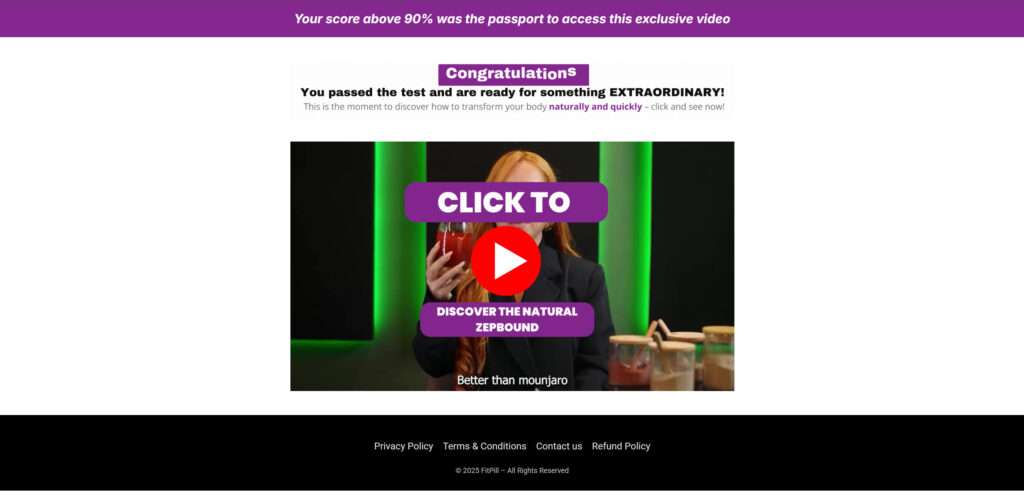
Step 3: The “Secret Recipe” Reveal
The video finally “reveals” that the magical solution is a product called FitPill Keto — a supplement with beta-hydroxybutyrate (BHB) and other common ingredients. They call it a “natural Zepbound alternative” but never explain how or why it’s comparable to a prescription GLP-1 agonist.
There is no real recipe, just a supplement push.
Step 4: The Purchase and Data Trap
Once you click to buy:
- You’re taken to a checkout with no clear return/refund policy
- You may be enrolled in auto-billing without your knowledge
- You’re asked for your phone number and email
Shortly after:
- Your card is charged — often more than once
- You start receiving spam calls and emails
- Customer service is unreachable
Some users report recurring unauthorized charges despite canceling or asking for refunds.
What to Do If You Fell for the FitPill Keto Scam
If you’ve already made a purchase or submitted personal info, act quickly to limit the damage.
1. Contact Your Bank or Credit Card Company
- Request a chargeback on unauthorized transactions
- Explain the purchase was made through deceptive advertising
- Ask them to block future recurring charges from the merchant
2. Report the Scam
Use the following official channels:
- FTC (Federal Trade Commission): reportfraud.ftc.gov
- BBB Scam Tracker: bbb.org/scamtracker
- Internet Crime Complaint Center (IC3): ic3.gov
These agencies track and investigate consumer scams.
3. Secure Your Personal Data
- If you entered your phone number, use spam blocking apps
- Consider creating a new email if spam becomes overwhelming
- Do not reuse the same passwords on other sites
4. Leave a Warning Review
- Post your experience on Trustpilot, Reddit, or Quora
- Help others avoid the trap by sharing what happened
5. Speak to a Healthcare Professional
If you consumed the product and feel unwell, contact your doctor immediately. Supplements can sometimes interact with medications or cause adverse reactions.
Frequently Asked Questions (FAQ) About the FitPill Keto Scam
What is FitPill Keto?
FitPill Keto is a dietary supplement marketed as a natural alternative to prescription weight loss drugs like Zepbound. It claims to help users lose weight quickly through a so-called four-ingredient “natural Zepbound” recipe. These claims are not supported by science or credible endorsements.
Is there really a “Natural Zepbound Recipe”?
No. The concept of a “Natural Zepbound Recipe” is entirely fabricated for marketing purposes. There is no medical or scientific evidence to support the existence of a natural product that can mimic the effects of Zepbound, which is a real GLP-1 medication available only by prescription.
Did celebrities endorse FitPill Keto?
No. Names like Rebel Wilson, Selena Gomez, and Adele have been falsely used to promote FitPill Keto. There are no public endorsements or verified connections between these celebrities and the product. The use of their likeness is unauthorized and misleading.
Is FitPill Keto FDA approved?
No. Despite what the marketing may claim, FitPill Keto is not approved by the U.S. Food and Drug Administration. The FDA does not approve dietary supplements. Any mention of FDA approval or certification is misleading.
What are the main red flags of this scam?
Major red flags include fake celebrity endorsements, deepfake videos, fabricated scientific affiliations with institutions like Oxford or Johns Hopkins, unrealistic weight loss claims, vague ingredient lists, and missing or broken website sections like Terms of Service or Contact Us pages.
Can a supplement really help you lose 14 pounds in 10 days?
No. Claims of losing 14 to 18 pounds in 10 days without exercise or dieting are not realistic or medically safe. Healthy and sustainable weight loss typically ranges from 1 to 2 pounds per week under proper dietary and medical guidance.
What happens after you buy FitPill Keto?
Many users report receiving excessive spam calls, experiencing unauthorized recurring charges, and being unable to contact customer service. Refunds are typically denied, and privacy violations are common after entering personal information.
How can I report this scam?
You can report the scam to:
- The Federal Trade Commission (FTC) at reportfraud.ftc.gov
- The Better Business Bureau (BBB Scam Tracker)
- The Internet Crime Complaint Center (IC3) at ic3.gov
What should I do if I already purchased the product?
Immediately contact your bank or credit card provider to dispute the charge and block further payments. Report the incident to consumer protection agencies and consider using a call blocker if you begin receiving spam calls. Monitor your financial accounts for any unusual activity.
Is there a legitimate weight loss solution similar to Zepbound?
Yes, but only under medical supervision. Zepbound and other GLP-1 receptor agonists are prescription medications used to manage weight in specific clinical cases. If you’re considering this type of treatment, speak directly with a licensed healthcare provider.
Let me know if you’d like this section formatted for structured data markup to improve its SEO impact.
The Bottom Line
FitPill Keto and the so-called Natural Zepbound Recipe are not legitimate weight loss solutions. The product is heavily marketed through fake endorsements, exaggerated claims, and deceptive tactics, all designed to extract your money and harvest your personal data.
There is no natural equivalent to Zepbound, and no supplement on the market can replicate the effects of prescription medications without clinical oversight.
The bottom line? There’s no shortcut to sustainable weight loss. Safe and effective results come from medical guidance, balanced nutrition, and consistent physical activity — not miracle drops or shady online pills.
Final Thought
If a product promises fast, effortless weight loss with no lifestyle changes — be skeptical. Always do your research, consult real health professionals, and never give away your credit card or contact information without verifying the legitimacy of the source.

Join the discussion
0 commentsShare your experience or ask a question about this article.
Discussion
Start the conversation
Have a question or something useful to share? Add the first comment.