

If you’ve seen an ad claiming a “natural Zepbound recipe” is melting fat without side effects, all while using household ingredients and celebrity endorsements, you’re not alone. With dramatic claims, voiceovers mimicking Oprah, and supposed testimonials from fake doctors, these viral videos lead unsuspecting viewers to one place: a supplement called Lift Detox Black. But is this product legit? Or is it just another scam riding the wave of weight loss desperation?
This article will uncover the truth behind the Lift Detox Black scam, expose how the “Natural Zepbound Recipe” is fabricated, and explain how these fraudsters manipulate viewers with deepfake technology, fake research, and misleading marketing. We’ll show you exactly how the scam operates, what to do if you’ve fallen victim, and how to avoid similar traps in the future.
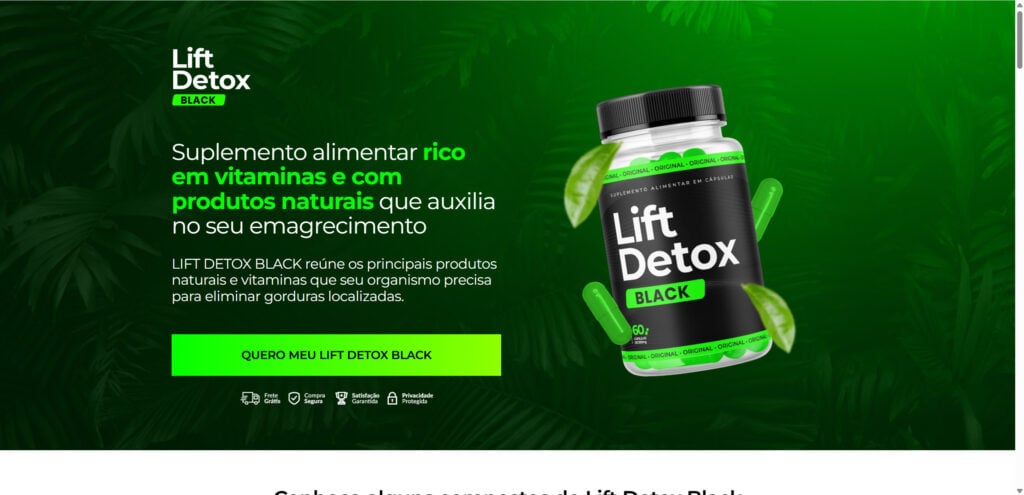
Lift Detox Black Scam Overview
The Lift Detox Black “Natural Zepbound Recipe” scam is a modern bait-and-switch fraud that targets vulnerable individuals seeking fast and easy weight loss. The scam exploits trust by using AI-generated voices (including Oprah’s), fake transformation stories, fake credentials (like Dr. Megan Rogers), and fabricated medical studies supposedly from Johns Hopkins or Harvard.
The scam follows this pattern:
- Lure the viewer in with a simple claim: “Never drink more than one cup of this natural Zepbound recipe.”
- Pretend it’s a natural alternative to expensive fat-burning injections like Zepbound.
- Delay revealing the recipe through long videos and emotional manipulation.
- Eventually redirect viewers to buy a product—Lift Detox Black—often through a site like liftdetoxcaps.com, hosted in Brazil.
The Claims vs. Reality
Claim: The drink burns fat automatically.
Reality: No scientific evidence supports this.
Claim: Endorsed by Oprah and top doctors.
Reality: Voices and visuals are AI-generated; testimonials are fake.
Claim: Backed by studies from Johns Hopkins and Harvard.
Reality: No such studies exist. These are invented to create credibility.
Claim: Recipe involves common ingredients like apple cider vinegar and baking soda.
Reality: The video never shares a real recipe—just keeps you watching until the pitch.
How the Lift Detox Black Scheme Works
Step 1: The Hook
You see an ad on social media (usually Facebook or Instagram) titled something like “Drink This Before Bed to Melt Fat While You Sleep” or “Oprah’s Natural Zepbound Recipe.”
Step 2: The Deepfake Deception
The video uses voiceovers and deepfake AI to mimic celebrities like Oprah, claiming they shared this hack on their show. The content is scripted and completely fake.
Step 3: Fake Authority
You’re told that a doctor named Megan Rogers created the formula and that elite institutions have verified it. These names and claims are fabricated.
Step 4: Emotional Manipulation
They share stories of women who supposedly lost 60+ pounds in weeks. The emotional appeal is designed to make you believe it can work for you, too.
Step 5: The Endless Tease
You’re told to keep watching because the “secret” recipe is coming soon. But the video drags on—building suspense, repeating testimonials, and adding pseudo-scientific details.
Step 6: The Switch
Eventually, they claim the recipe is “too hard” or “ineffective” on its own and introduce Lift Detox Black as a simplified capsule version.
Step 7: The High-Pressure Sales Funnel
You’re taken to a website in Portuguese (often Brazil-based) that promotes Lift Detox Black with bulk discounts and phrases like “limited-time offer” and “super guarantee.”
Step 8: Subscription Trap
Buying one bottle enrolls you into a recurring subscription without clear consent. Cancellations are hard, refunds are rarely honored, and support is often unresponsive.
Step 9: Re-Targeting with New Scams
Once your data is captured, you may start seeing similar scam ads under new names but with the same tactics.
What to Do If You’ve Fallen Victim to This Scam
- Cancel All Charges Immediately
- Contact your bank or card provider to block recurring transactions.
- Request a chargeback for unauthorized purchases.
- Save All Records
- Keep screenshots of the ad, site, email receipts, and any communication.
- Report the Scam
- FTC (www.ftc.gov)
- Better Business Bureau (www.bbb.org)
- Your local or national consumer protection agency
- Warn Others
- Leave reviews on forums, YouTube comments, Trustpilot, and scam alert websites.
- Share your experience in weight loss groups to prevent further victims.
- Monitor Your Financial and Online Accounts
- Watch for new charges or signs your information has been misused.
- Don’t Fall for Follow-up Scams
- Scammers often retarget previous victims with “refund” scams or “new” miracle products.
Frequently Asked Questions (FAQ)
What is the “Natural Zepbound Recipe” scam?
The “Natural Zepbound Recipe” scam is a deceptive marketing tactic used to promote supplements like Lift Detox Black. It falsely claims that a simple homemade recipe (often featuring baking soda, lemon, and apple cider vinegar) can cause rapid fat loss. In reality, the promised recipe is never actually provided—instead, viewers are funneled into buying unverified supplements.
Is there a real “Natural Zepbound Recipe”?
No. The so-called “recipe” is a made-up gimmick used to get users to click on ads and watch long promotional videos. There is no clinically proven or publicly shared “Zepbound recipe” that causes weight loss. It is used purely as bait.
What is Lift Detox Black?
Lift Detox Black is a dietary supplement promoted through this scam. It claims to support detoxification and weight loss using ingredients like spirulina, psyllium, chromium, and chitosan. Despite these claims, the product is not backed by peer-reviewed studies or recognized health authorities.
Why do these scams mention celebrities like Oprah?
Scammers often use deepfake technology and AI-generated voices to impersonate well-known figures like Oprah Winfrey. They create fake videos that seem authentic to build false credibility and emotional appeal. These celebrities are not involved and have not endorsed the products.
Is Lift Detox Black FDA approved?
No. Like many supplements marketed through shady tactics, Lift Detox Black is not approved by the U.S. Food and Drug Administration (FDA) and has not been proven safe or effective through legitimate clinical trials.
How do the ads trick people?
- Fake authority: Claiming backing from Harvard or Johns Hopkins.
- False urgency: Telling you the product is “almost sold out.”
- Deceptive videos: Using stock footage, paid actors, and emotional stories.
- Unrealistic claims: Promising fat loss of 17 pounds in 10 days without exercise or diet.
- Deepfakes: Misusing celebrities’ images and voices without permission.
What happens after you click the ad?
You’re directed to a long-form video that promises to reveal a fat-melting recipe. After 30–60 minutes of emotional marketing, the video promotes a product like Lift Detox Black. There is no actual recipe—just a push to purchase a supplement.
Are there any known side effects of Lift Detox Black?
Because this product is unregulated and its ingredients are not clinically verified in this formulation, the safety is unknown. Potential side effects could include allergic reactions or digestive issues. It’s important to speak to a licensed healthcare provider before using any supplement.
What should I do if I already bought the product?
- Cancel any recurring charges with your bank or card provider.
- Request a chargeback if you feel misled or scammed.
- Report the scam to agencies like the FTC, BBB, or your country’s consumer protection body.
- Monitor your account for unusual activity.
- Leave reviews to help warn others.
How can I avoid scams like this in the future?
- Be skeptical of “miracle” recipes or hacks.
- Do not trust unsolicited weight loss ads featuring celebrities.
- Always research products independently before purchasing.
- Look for verified reviews, certifications, and transparency about ingredients.
The Bottom Line
The Lift Detox Black scam is a deceptive operation that uses the fake “Natural Zepbound Recipe” as a front. It manipulates viewers with AI-generated celebrities, bogus medical claims, and high-pressure sales tactics to push an unproven supplement. There’s no recipe, no research, and no guarantee—just a trap.
If you see these ads, skip them. Report them. And help others avoid the same mistake.

Join the discussion
0 commentsShare your experience or ask a question about this article.
Discussion
Start the conversation
Have a question or something useful to share? Add the first comment.