

Scams have become increasingly prevalent in the digital age, with fraudsters constantly devising new ways to deceive unsuspecting individuals. One such scam that has gained traction in recent years is the ‘Free Honda Scooter’ Facebook giveaway scam. This article aims to shed light on this scam, explaining what it is, how it works, what to do if you have fallen victim, and providing valuable insights to help readers protect themselves from falling prey to such scams.
What is the ‘Free Honda Scooter’ Facebook Giveaway Scam?
The ‘Free Honda Scooter’ Facebook giveaway scam is a fraudulent scheme that lures users into believing they have won a brand new Honda scooter. Scammers create fake Facebook pages or posts that appear to be from legitimate Honda accounts, promising a chance to win a scooter by following a set of instructions.
These instructions typically involve liking and sharing the post, commenting on it, and sometimes even visiting external websites or filling out surveys. The scammers use these tactics to increase the visibility of their fraudulent posts and gather personal information from unsuspecting victims.
How Does the Scam Work?
The ‘Free Honda Scooter’ Facebook giveaway scam operates by exploiting people’s desire to win something for free. The scammers create a sense of urgency and excitement, making it seem like a limited-time opportunity that users must act upon quickly to secure their chance of winning.
Once users engage with the scam post by liking, sharing, and commenting, the scammers can collect their personal information. This information can then be used for various malicious purposes, such as identity theft, phishing attacks, or even selling it to other cybercriminals on the dark web.
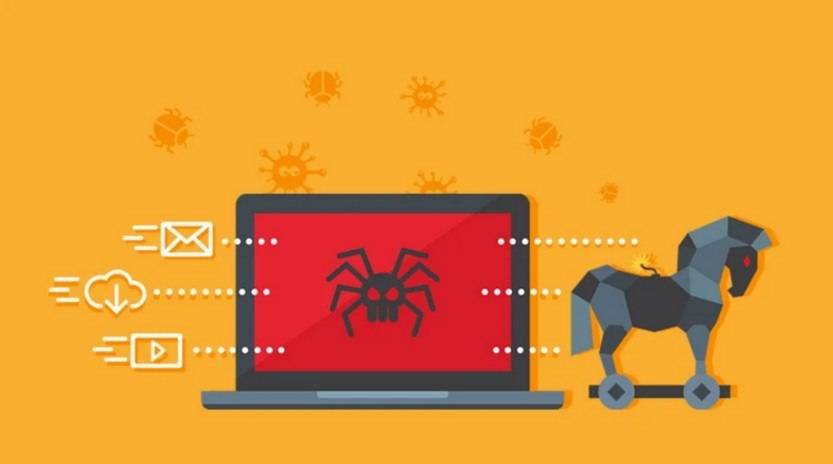
In some cases, the scammers may redirect users to external websites or ask them to download certain files or applications. These websites or files could contain malware or viruses that can compromise the user’s device and personal data.
What to Do If You Have Fallen Victim?
If you have fallen victim to the ‘Free Honda Scooter’ Facebook giveaway scam, it is crucial to take immediate action to protect yourself and minimize the potential damage.
- First and foremost, do not panic. Scammers thrive on creating fear and panic, so it is essential to stay calm and composed.
- Report the scam to Facebook by clicking on the three dots in the top right corner of the post and selecting “Report post.” This will help Facebook take appropriate action against the scammer and prevent others from falling victim.
- Change your Facebook password to ensure that the scammers no longer have access to your account.
- Scan your device for viruses or malware using a reliable security software like Malwarebytes Free. This will help identify and remove any potential threats that may have been downloaded or installed during the scam.
- Monitor your financial accounts and credit reports closely for any suspicious activity. If you notice any unauthorized transactions or changes, contact your bank or credit card company immediately.
- Be cautious of future online offers or giveaways that seem too good to be true. Remember, legitimate companies rarely give away expensive items for free.
Technical Details of the Scam
The ‘Free Honda Scooter’ Facebook giveaway scam primarily relies on social engineering techniques to deceive users. By creating a sense of urgency, excitement, and the illusion of legitimacy, scammers manipulate users into engaging with their fraudulent posts.
These scams often exploit the trust users have in well-known brands like Honda. By impersonating official accounts or using similar names and logos, scammers make it difficult for users to distinguish between genuine and fake giveaways.
Furthermore, scammers may use URL shorteners or redirect users to external websites that mimic the appearance of legitimate Honda websites. These websites are designed to collect personal information or distribute malware.
Statistics on Facebook Scams
Facebook scams, including the ‘Free Honda Scooter’ giveaway scam, have become alarmingly common in recent years. Here are some statistics that highlight the prevalence and impact of these scams:
- According to a report by the Better Business Bureau, Facebook scams accounted for over $117 million in reported losses in 2020 alone.
- A study conducted by the University of Warwick found that Facebook scams are shared at a rate of 1.5 million times per day.
- In a survey conducted by NortonLifeLock, 1 in 10 respondents admitted to falling victim to a Facebook scam.
- According to Facebook’s own statistics, they disabled over 1.3 billion fake accounts between October and December 2020.
Summary
The ‘Free Honda Scooter’ Facebook giveaway scam is a deceptive scheme that preys on users’ desire to win something for free. By creating fake posts and impersonating legitimate Honda accounts, scammers trick users into engaging with their fraudulent content and providing personal information.
To protect yourself from falling victim to such scams, it is crucial to remain vigilant and skeptical of offers that seem too good to be true. Report any suspicious posts to Facebook, change your passwords regularly, and use reliable security software like Malwarebytes Free to scan your devices for potential threats.
Remember, staying informed and cautious is the best defense against scams in the digital world.

Join the discussion
0 commentsShare your experience or ask a question about this article.
Discussion
Start the conversation
Have a question or something useful to share? Add the first comment.