

GameCenter.exe is a file that is commonly found on Windows operating systems. It is often associated with gaming software and is responsible for managing and launching games on your computer. However, there has been some debate about whether GameCenter.exe is a legitimate file or if it could potentially be malware. In this article, we will explore what GameCenter.exe is, whether you should remove it, and if it poses any security risks to your system.
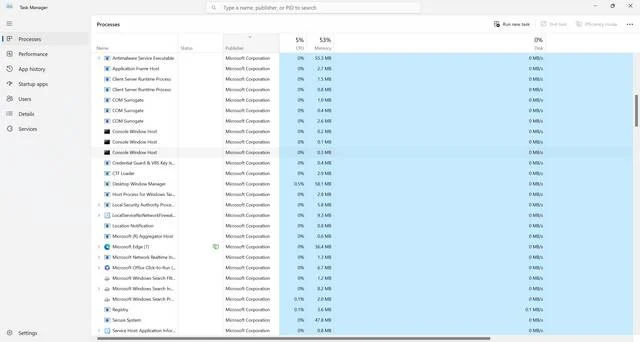
What is GameCenter.exe?
GameCenter.exe is a file that is commonly associated with gaming software, particularly those developed by reputable gaming companies. It is responsible for managing and launching games on your computer, providing a centralized platform for gamers to access and play their favorite games.
GameCenter.exe is typically located in the Program Files or Program Files (x86) folder on your Windows system. It is often installed alongside the gaming software and is automatically launched when you start your computer or open the gaming application.
Should I Remove GameCenter.exe?
Whether or not you should remove GameCenter.exe depends on the specific circumstances and your personal preferences. Here are a few factors to consider:
1. Legitimate Gaming Software
If you have installed a legitimate gaming software that utilizes GameCenter.exe, it is generally safe to keep the file on your system. Removing it may prevent you from accessing and playing your favorite games. However, it is important to ensure that the gaming software is from a reputable source and has not been tampered with.
2. Suspicious Behavior
If you notice any suspicious behavior associated with GameCenter.exe, such as excessive CPU or memory usage, frequent crashes, or unexpected network activity, it may indicate that the file is malicious or has been compromised. In such cases, it is recommended to remove GameCenter.exe and perform a thorough antivirus scan using a reliable security software like Malwarebytes Free.
3. Unknown Origin
If you are unsure about the origin or purpose of GameCenter.exe on your system, it is advisable to err on the side of caution and remove the file. Malware often disguises itself as legitimate files to avoid detection, and it is better to be safe than sorry.
Is GameCenter.exe Malware?
GameCenter.exe itself is not inherently malware. It is a legitimate file that is used by gaming software to manage and launch games. However, it is important to note that malware can sometimes masquerade as GameCenter.exe or exploit vulnerabilities in the file to gain unauthorized access to your system.
To determine if GameCenter.exe is malware, you can perform the following steps:
- Check the file location: Verify that GameCenter.exe is located in the appropriate folder (e.g., Program Files or Program Files (x86)) and not in a suspicious or random directory.
- Scan with antivirus software: Run a thorough scan of your system using a reliable antivirus software like Malwarebytes Free to detect and remove any potential malware.
- Research the file: Conduct an online search to gather information about GameCenter.exe, including any known issues or reports of it being associated with malware.
If you find any evidence or indications that GameCenter.exe is malicious, it is recommended to remove the file immediately and take appropriate measures to secure your system.
Summary
GameCenter.exe is a file commonly associated with gaming software and is responsible for managing and launching games on your computer. Whether or not you should remove GameCenter.exe depends on various factors, including the legitimacy of the gaming software, any suspicious behavior associated with the file, and its origin. While GameCenter.exe itself is not malware, it can be exploited by malicious actors. It is important to stay vigilant, regularly update your security software, and perform thorough scans to ensure the safety of your system.

Join the discussion
0 commentsShare your experience or ask a question about this article.
Discussion
Start the conversation
Have a question or something useful to share? Add the first comment.