

Guinness is a well-known brand of beer that has been around since 1759. Guinness is also famous for its Guinness World Records, which document the most amazing feats and achievements in various fields. However, not everything associated with Guinness is positive. Recently, a new scam has emerged that targets Guinness fans and tries to trick them into giving away their personal and financial information. This scam is called the Guinness Mini Fridge Giveaway scam, and it is spreading fast on social media platforms. In this article, we will explain what this scam is, how it works, and what you can do if you have fallen victim to it.
What is the Guinness Mini Fridge Giveaway scam?
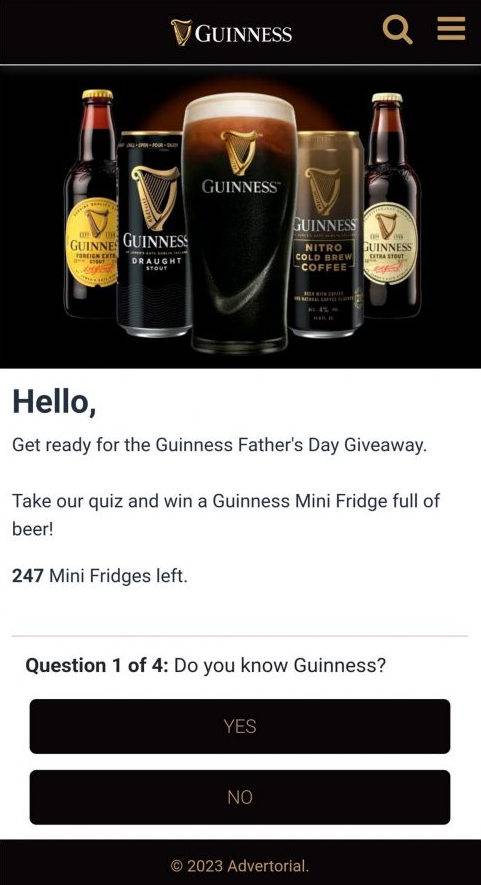
The Guinness Mini Fridge Giveaway scam is a phishing scheme that pretends to be a legitimate promotion from Guinness. The scammers claim that Guinness is celebrating its Guinness Day by giving away free mini fridges filled with beer to lucky winners. They use fake logos, images, and testimonials to make their offer look authentic and enticing. They also use urgency tactics, such as saying that the offer is limited or that you have to act fast to claim your prize.
How does the Guinness Mini Fridge Giveaway scam work?
The scammers use various methods to lure people into their trap. They may send you a direct message on social media platforms, such as Facebook Messenger, Tiktok, Instagram, or WhatsApp. They may also post the scam link on public groups or pages related to Guinness or beer. The message or post will usually contain a catchy headline, such as “Uncover the Hidden Prize in Guinness Day Giveaway!” or “You Won’t Believe What’s Inside This Mini Fridge!”. The message or post will also include a link that supposedly leads to the official Guinness website where you can enter the giveaway.
However, if you click on the link, you will not be taken to the real Guinness website. Instead, you will be redirected to a fake survey page that mimics the look and feel of the genuine one. The survey page will ask you to answer some questions about your preferences and opinions on Guinness products. It will also ask you to provide your personal information, such as your name, email address, phone number, and home address. It will then ask you to provide your credit card details, claiming that this is necessary to verify your identity and eligibility for the giveaway.
If you complete the survey and submit your information, you will not receive any confirmation or notification of winning the mini fridge. Instead, you will have given the scammers access to your sensitive data, which they can use for fraudulent purposes. They can use your credit card details to make unauthorized purchases or withdrawals from your account. They can also use your personal information to commit identity theft or sell it to other criminals on the dark web.
Moreover, the scam page will also urge you to share the link with your friends and family on social media. It may even offer you extra entries or chances of winning if you do so. By sharing the link, you are not only exposing yourself to more risks, but also helping the scammers reach more potential victims.
What to do if you have fallen victim to the Guinness Mini Fridge Giveaway scam?
If you have fallen victim to the Guinness Mini Fridge Giveaway scam, you should take immediate action to protect yourself and limit the damage. Here are some steps you can take:
- Contact your bank or credit card company and report the fraudulent transactions. Ask them to cancel your card and issue a new one.
- Change your passwords and security questions for all your online accounts, especially those linked to your email address or phone number.
- Scan your device with for malware or viruses that may have been installed by clicking on the scam link. We recommend that you install and run a scan with Malwarebytes Free.
- Report the scam link and message to the social media platform where you received or saw it. Also warn your contacts not to click on it or share it further.
- Report the scam to your local authorities or consumer protection agencies. You can also report it to online platforms that track and expose scams, such as Scamwatch or Scam Detector.
Conclusion
The Guinness Mini Fridge Giveaway scam is a dangerous phishing scheme that aims to steal your personal and financial information by pretending to be a legitimate promotion from Guinness. The scammers use fake websites, messages, and links to trick you into filling out a survey and providing your credit card details. They also try to get you to share the scam with others on social media.
To avoid falling for this scam, you should always be wary of any offers that sound too good to be true or ask for too much information. You should also check the source and validity of any links before clicking on them. You should never give out your credit card details or other sensitive data online unless you are sure of who you are dealing with and why they need it.
If you have already fallen for this scam, you should act quickly to stop the scammers from using your information and report them to the relevant authorities and platforms. You should also educate yourself and others about the signs and dangers of this scam and other similar ones.

Join the discussion
0 commentsShare your experience or ask a question about this article.
Discussion
Start the conversation
Have a question or something useful to share? Add the first comment.